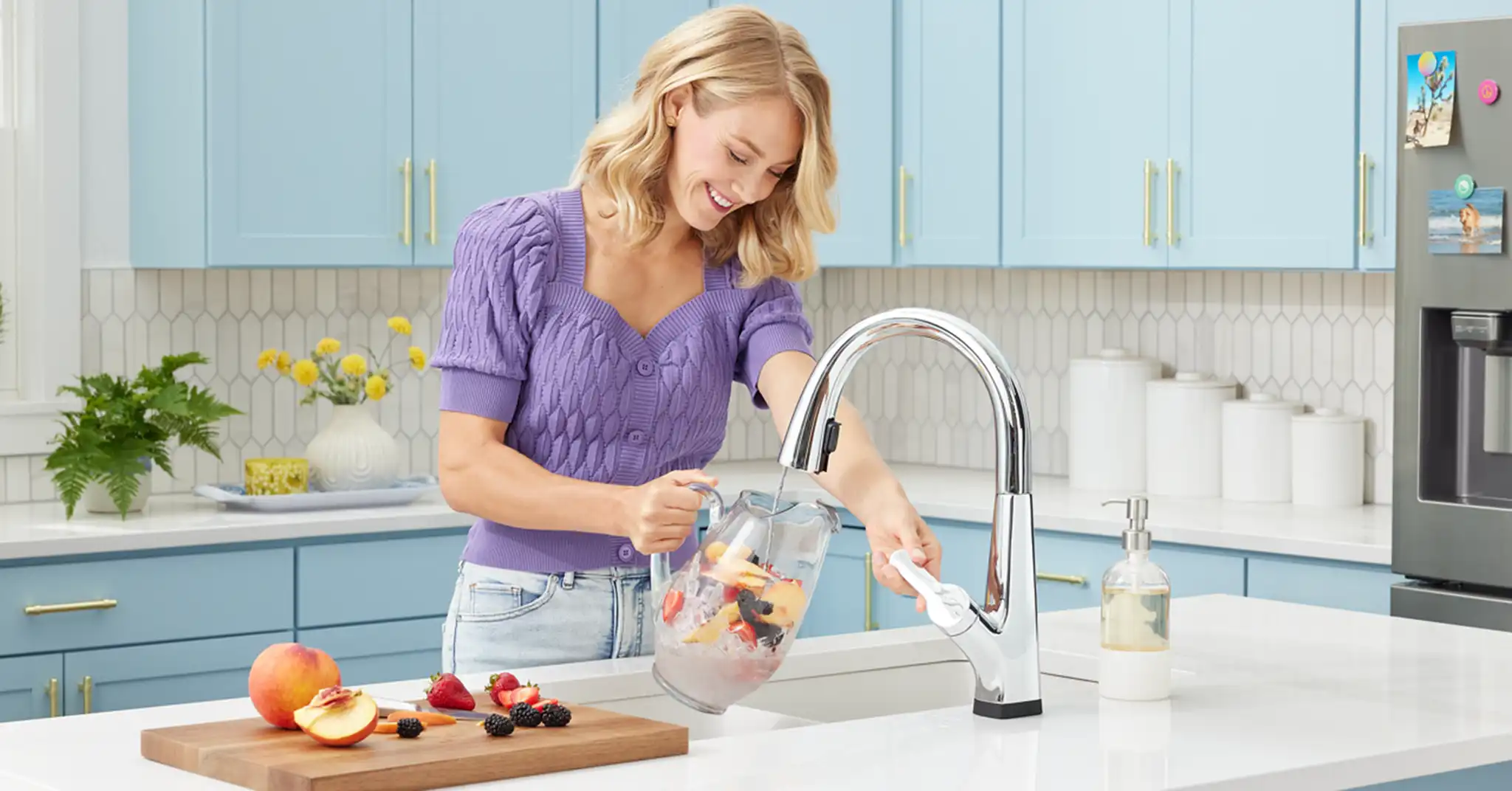
4 Key Benefits of a Filtered Water Faucet System for Your Home
You might assume your everyday tap water is just fine. Or perhaps you have fallen into the routine of purchasing multiple cases of bottled water every week to keep your household hydrated.
While bottled water seems convenient, there is a cleaner, more affordable, and environmentally responsible solution available for your kitchen. By upgrading to a dedicated drinking water tap faucet with an integrated filtration setup, you can enjoy safe, pure, and great-tasting water on demand.
Below, we break down what filtered water is, how home filtration works, and the top financial, environmental, and health benefits of filtered water for your household.
What Is Filtered Water, and Where Does It Come From?
To understand the core benefits of water filtration, it helps to clarify what filtered water is and how it differs from standard utility supply lines.
When water leaves a treatment facility or private well, it travels through miles of underground pipes before reaching your home. Along that journey, it can pick up debris, treatment chemicals, heavy metals, and organic matter.
Filtered water is municipal or well water passed through a physical barrier or chemical media, such as activated carbon, ion exchange, or sub-micron membranes. This process captures unwanted materials while keeping essential hydration properties intact.
So, where does filtered water come from? In a modern home setup, it comes directly from your main supply line. The system cleans the water under the sink right before it flows out of your kitchen tap.
1. Superior Taste, Odor, and Clarity
Some tap water fails the taste test. In many cases, flavor issues stem from local geography. Soil composition influences the mineral content of municipal and private well supplies. High concentrations of minerals like calcium, magnesium, sodium, potassium, or hydrogen sulfide gas can impart a salty, bitter, or sulfur odor to untreated water.
Other common causes of bad taste include:
- Disinfection Byproducts: Cities use chlorine or chloramines to destroy waterborne pathogens. While effective for public safety, these chemicals leave a pool-like smell and unpleasant taste.
- Plumbing Leaches: Aging distribution pipes and older home plumbing lines often leach trace metals into the flow. Copper, iron, zinc, and manganese alter water quality and introduce a metallic taste.
Installing a water filtration system directly at the sink means chemical compounds bond with filter media. The system traps suspended solids and absorbs organic materials. Removing these chemical and metallic impurities leaves you with crisp, clean water that improves drinking, coffee brewing, and daily cooking.
2. Reduced Exposure to Common Water Contaminants
Under the Safe Drinking Water Act (SDWA), the Environmental Protection Agency (EPA) defines a contaminant as any physical, chemical, biological, or radiological substance in water. While municipal treatment plants must meet baseline federal guidelines, they do not regulate every potential impurity. They also cannot control contaminants introduced inside aging home pipes.
Private wells serving fewer than 25 people operate outside SDWA oversight, leaving quality control to the homeowner. Bottled water falls under Food and Drug Administration (FDA) regulations, which vary in monitoring strictness.
Point-of-use filtration provides a defense barrier across four major contaminant categories:
- Physical Contaminants: Soil sediment, silt, algae, rust flakes, and organic matter that cloud water.
- Chemical Contaminants: Nitrogen, bleach, salts, pesticides, heavy metals, and pharmaceutical residues absorbed by activated carbon blocks.
- Biological Contaminants: Microbes, bacteria, viruses, and parasites like Cryptosporidium blocked by fine sub-micron filtration.
- Radiological Contaminants: Trace radioactive elements like uranium and radium pulled from ground sources using targeted filter media.
When asking is filtered tap water is good for you or is filter water is good for you, the answer lies in controlling what enters your body. Reducing exposure to these substances unlocks the true benefits of drinking purified water, protecting your body over time.
3. Lower Long-Term Financial Costs
Buying bottled water creates a constant drain on your household budget. High-end bottled brands use purification methods, but their pricing reflects marketing, plastic packaging, and shipping overhead.
When you buy a single bottle of water, you pay roughly 2,200 times more per gallon than you would to fill that same bottle from your tap.
Investing in a dedicated kitchen filtration faucet delivers clear financial returns:
- Eliminates Weekly Bottled Water Purchases: Lowers grocery bills immediately by removing bulk cases from your shopping cart.
- Lowers Cost per Gallon: Once installed, filter replacement costs break down to pennies per day.
- Extends Appliance Life: Filtering out sediments and heavy mineral loads protects internal components in electric kettles, coffee makers, and steam ovens.
By capturing these daily savings, you enjoy all the benefits of drinking filtered water while the system pays for itself over time.
4. An Environmentally Responsible Solution for Your Home
Using filtered tap water supports sustainable living by reducing plastic waste. Single-use plastic bottles require petroleum to manufacture, produce high carbon emissions during transport, and take hundreds of years to break down in landfills. As they break down, they turn into microplastics that contaminate soil and waterways.
Countertop pitcher filters also have drawbacks. They take up refrigerator space, degrade over time, and require frequent cartridge replacements every few weeks.
In contrast, a high-capacity under-sink filter cartridge cleans hundreds of gallons, requiring only an annual filter swap. This cuts plastic waste and keeps your refrigerator open for fresh groceries.
Highlight Feature: The Elkay Avado Single-Hole 2-in-1 Kitchen Faucet
For clean water combined with solid fixture design, the Elkay Avado Single-Hole 2-in-1 Kitchen Faucet offers a practical solution.
Advanced Functionality Meets Style
The Elkay Avado combines standard kitchen sink utility with an integrated filter feed, eliminating the need for add-on attachments or extra counter holes:
- Integrated All-in-One Design: Houses regular utility water channels and filtered drinking water lines inside a single 17-inch arc spout with a 90-degree swivel radius.
- Three-Function Spray Head: Tucks inside the spout, offering a standard stream, a powerful rinse spray, and a direct filtered drinking stream.
- Smart Filter Tracking: Features an under-sink quick-change filter housing paired with an LED indicator light at the base that alerts you when it is time for your annual filter swap.
- Durable Valve Technology: Built with ceramic disc valves to ensure smooth operation and long service life. Available in Chrome, Lustrous Steel, and Matte Black finishes.
Rigorous NSF/ANSI Performance Certifications
The Elkay Avado system holds independent testing credentials that verify structural safety and contaminant reduction performance:
- NSF/ANSI 61 & 372: Certifies that internal waterways are lead-free and safe for drinking.
- NSF/ANSI 42: Verified to remove aesthetic impurities, including chlorine, chloramines, iron, manganese, hydrogen sulfide, and zinc.
- NSF/ANSI 53: Certified to reduce health-related contaminants, including lead, mercury, asbestos, volatile organic compounds (VOCs), and biological cysts.
Frequently Asked Questions About Filtered Water Faucets
Is filtered tap water good for you compared to bottled water?
Yes. The question of whether filter water is good for you comes down to purity and safety. Filtered tap water provides the same cleanliness as bottled water without exposing your family to microplastics that leach from plastic bottles stored in warm environments.
What are the main health benefits of drinking filtered water?
The primary health benefits of filtered water include clean hydration while minimizing exposure to heavy metals like lead, chemical disinfectants, industrial pesticides, and microbial pathogens.
How often do under-sink water filter cartridges need to be replaced?
Most under-sink cartridges last for an annual replacement cycle (about once every 12 months), depending on your household’s water usage and local water quality.
Can a filtered water faucet be installed in a single-hole sink setup?
Yes. 2-in-1 combination fixtures like the Elkay Avado fit standard single-hole sink cutouts, delivering utility water and filtered drinking water through one fixture.
Experience Kitchen Plumbing at Coburn’s Showroom
Upgrading your home with a dedicated filtration faucet system improves daily health, cuts household expenses, and increases kitchen functionality.
Whether you are remodeling your space or replacing an old fixture, testing these products in person helps you make the right choice. Visit your local Coburn’s Kitchen & Bath Showroom to see working models, inspect finishes, and consult with our plumbing specialists to select the right filtration system for your home.

