
Nature Inspired Design
The key to this design style lies in materials, colors and products that evoke the unconstrained feeling of being in nature.
View TrendLooking for home design style inspiration? You’ve come to the right place.
Using our interior style collection below, you can easily shop for home products that fit your desired look. From contemporary bathroom styles and industrial kitchen ideas to mid-century modern décor to farmhouse charm, traditional elegance and transitional blends, simply click on your preferred interior style to browse related products and find the perfect pieces to complete your space.
Want to minimize clutter and maximize simplicity? Bring home thoughtful design that highlights neutrals with a contemporary interior design style.


Featuring sturdy elements like steel, wood, concrete and leather, the industrial design style embraces the beauty of raw materials and durability.


Discover mid-century modern design style, a function-forward style that combines the simplicity of contemporary style with non-neutral palettes and clean lines.
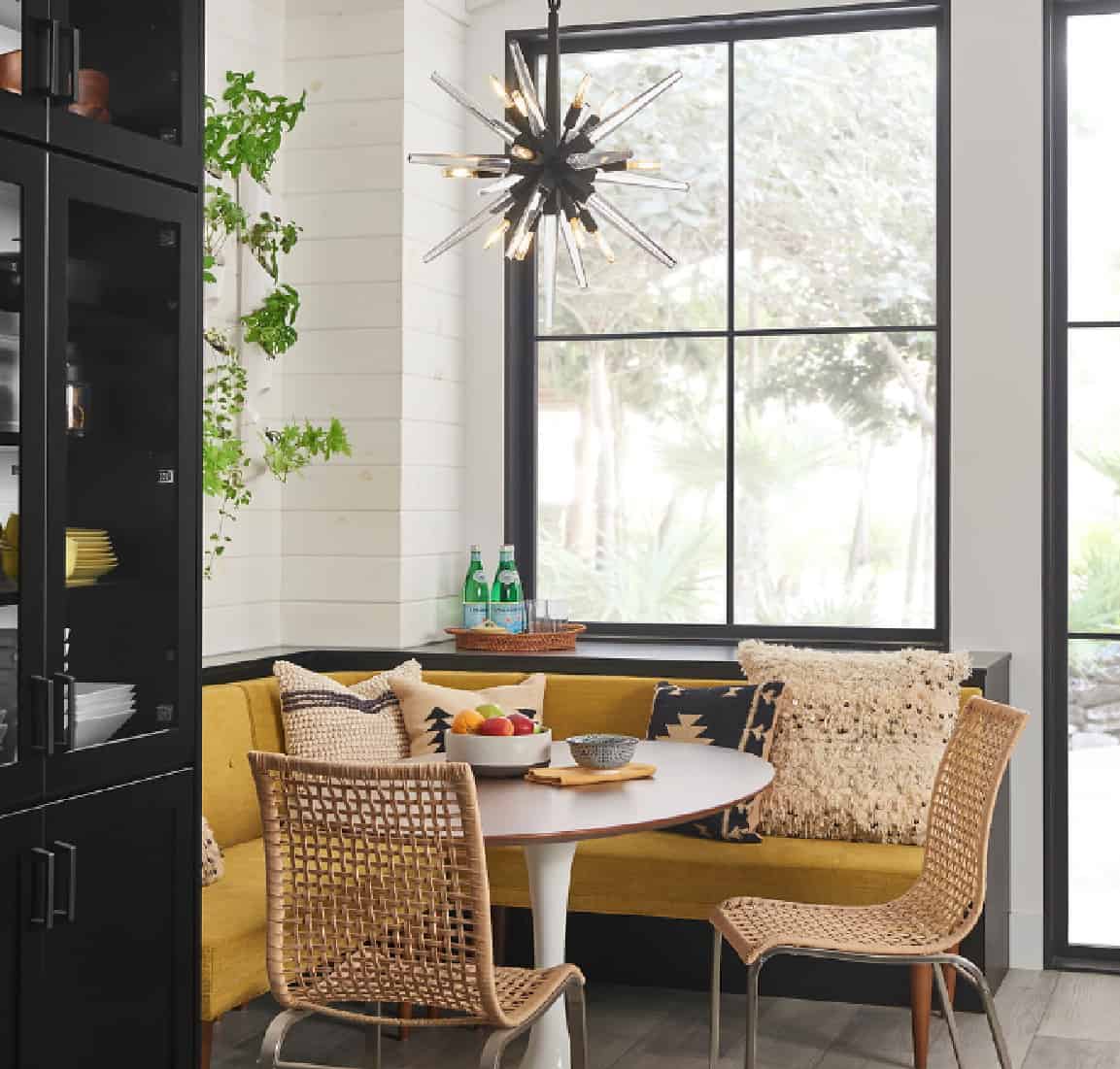


Light and airy with a warm, welcoming feel, modern farmhouse design style comes to life with soft neutrals, pops of saturated color and rustic charm


Inspired by design of centuries past, traditional style brings a touch of grandiose and glamour with luxurious details like velvets, florals and gold.


Want the best of multiple worlds? Create your perfect intersection of design eras with the cohesive and eclectic transitional interior style.


Explore Today’s Hottest Trends
Interior design is constantly evolving. If you’re ready to give your home a unique touch, checkout the latest trends we’ve compiled from all across the globe that highlight nouveau materials, eclectic pairings, room themes and more.
The key to this design style lies in materials, colors and products that evoke the unconstrained feeling of being in nature.
View Trend
Cozy and inviting with just the right amount of warmth, the Scandinavian decor style is just as easy to implement as it is to love.
View Trend
Today's designers are reinventing Art Deco Interior Design from the 1920s to 1940s in fixtures, flooring, furnishings, lighting, and accessories.
View Trend
Free-spirited, or Bohemian, individuals have always sought to defy tradition with exploration and creative expression.
View Trend
The Japandi style can be recognized in fixtures, flooring, furnishings, lighting, and accessories by contrasting natural materials, shapes, and elements.
View Trend
Paying homage to the decadent style and romance of the Jazz Age, the Fitzgerald Collection features a stately architectural design that carries through the faucets, freestanding bathtub, sinks, toilet and accessories.
View Collection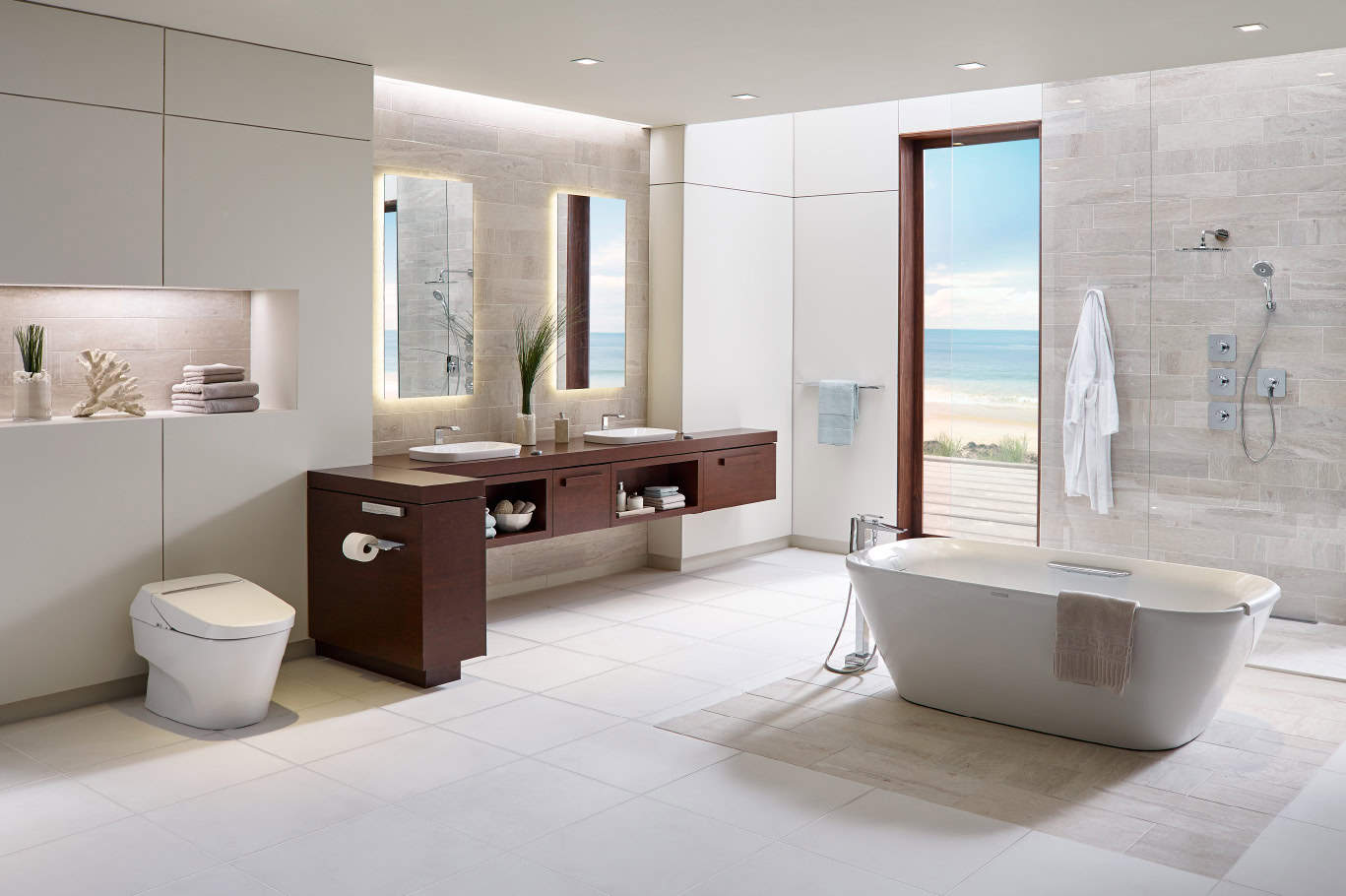
Like many design trends, minimalist interior design principles derive from art. Minimalist art in the early 1960s focused on sleek, simple textural and material elements of geometric line and form.
View Trend
Coastal design is intentional and casually sophisticated, including furnishings with defined lines, organic textures, and materials that capture the timeless allure of seaside living.
View Trend
Homeowners can enjoy the convenience of custom automated kitchen and bath fixtures synced with a smart home system with the Moen Smart Water Network Collection.
View Collection
In a celebration of simplicity and a return to nature, this trend focuses on a rustic, vintage touch of warmth and comfort highlighted by sunlit spaces, handmade crafts and charming details that evoke feelings of nostalgia and whimsy.
View Trend
This collection of bath fixtures and accessories skillfully blends craftsmanship with finishes to appeal to modern preferences while honoring heritage influences.
View Collectoin
In European old-world tradition, MTI Bath designs are handcrafted with each piece made to order. The result is a timeless, modern look that would suit any bath space.
View Collection
Blending old and new with bold and subtle, the eclectic aesthetic thrives on personality and unexpected pairings.
View Trend


Thermador delivers inspiration for exceptional living.
View Collection
Interior design styles differ most in line, material, and finish. The quickest way to choose is to start with how you live and the house you live in, then test your favorites against real products before you commit.
A busy family kitchen needs durable surfaces and easy cleanup, while a primary bath may call for a soaking tub. Next, look at the architecture. A mid-century ranch suits Mid-Century Modern, a Craftsman cottage leans Traditional or Modern Farmhouse, and Transitional or Contemporary fits many home design styles and floor plans.
Save 15 to 20 photos of rooms you like, and repeating colors, materials, and shapes will start to show. If your saves span different interior design styles, look for the one element they share, often a color family or a material, and build around it. That is how to find your interior design style without guesswork, and the Style Finder quiz gives a faster answer to what my interior design style is. Then pick two or three signature materials, such as warm wood, matte black metal, and white tile, and repeat them room to room. Shared materials are also the safest approach to mixing interior design styles.
Fixtures, hardware, and lighting do much of the style work, so a new faucet, vanity light, and mirror can shift a room without new cabinets. Finish is the clearest signal across types of interior design styles:
Save tile, tubs, and cabinetry for choices you will keep for years, and try bold trends in a pendant or mirror.
Photos rarely show how a finish shifts under different light or how a faucet handle feels. At a kitchen and bath showroom, you can compare kitchen design styles and bathroom design styles side by side, hold finish samples against cabinet doors and tile, and operate fixtures before choosing. Seeing a freestanding tub or floating vanity at full size also settles questions of scale. Showroom Consultants can walk you through options by style. Bring room measurements, inspiration photos, and your Style Finder result, then find a location or book an appointment.
Six core styles cover most homes: Contemporary, Industrial, Mid-Century Modern, Modern Farmhouse, Traditional, and Transitional. Narrower looks such as Japandi, Coastal, Scandinavian, Art Deco, and French Country build on those foundations with specific materials and moods.
Save 15 to 20 photos of rooms you like and look for repeating colors, materials, and shapes. The Style Finder quiz on this site gives a faster starting point, and you can bring your result to a showroom visit.
Contemporary uses clean profiles, minimal ornament, and neutral palettes with one or two accents. Transitional pairs traditional shapes, such as Shaker cabinets and classic faucet forms, with that same restraint, so it reads softer and more familiar.
Modern farmhouse is light and airy, with soft neutrals, rustic wood, and shiplap. Traditional draws on design from centuries past, with richer details like velvets, florals, gold accents, and darker wood.
Yes. Keep two or three signature materials or one finish family consistent from room to room, and the styles will read as one house. That shared thread is what separates intentional mixing interior design styles from a disconnected look.
Matte black and brushed gold suit Contemporary and Industrial rooms. Polished chrome and nickel fit Traditional and Transitional spaces, and brass leans Mid-Century Modern and Art Deco.
Match the style to the house's bones. A mid-century ranch suits Mid-Century Modern, a Craftsman cottage leans Traditional or Modern Farmhouse, and Transitional or Contemporary works across many home design styles.
Industrial centers on raw, durable materials such as steel, wood, concrete, exposed brick, and leather. Mid-Century Modern is function-forward, with clean lines, organic curves, and color beyond neutrals.
Contemporary and minimalist approaches suit small bathrooms because a floating vanity, large-format tile, and simple fixtures keep the room open. Any style can work, though, if you limit ornament and keep finishes consistent.
Yes. Fixtures, hardware, and lighting do much of the style work, so a new faucet, cabinet pulls, vanity light, and mirror can shift a room's character while cabinets and flooring stay.
Traditional and Transitional tend to age slowly because they rely on established forms. Whatever you choose, put your largest spending into tile, tubs, and cabinetry you will keep for years, and use smaller pieces like pendants and mirrors for trends.
Coburn's Showroom has locations in Louisiana and Texas, including Abita Springs, Alexandria, Baton Rouge, Bayou Vista, and Beaumont. At a kitchen and bath showroom, you can compare finishes under real light and operate fixtures with a Showroom Consultant.
Bring room measurements or plans, inspiration photos, your Style Finder result, and a budget range. If a builder, remodeler, or designer is involved, mention it so product details can be shared with them.
A style, such as Traditional or Contemporary, is a lasting framework for a whole home. A trend, such as Japandi, Cottagecore, or Nature-Inspired Design, is a narrower look that layers onto a style through materials, colors, and accessories.
Freestanding tubs fit Contemporary, Modern Farmhouse, Traditional, and Transitional bathrooms. The tub filler and fixture finish set the style: matte black or brushed gold for Contemporary, polished chrome or nickel for Traditional and Transitional.

