How a Smart Water Heater Can Save You Money and Energy
How a Smart Water Heater Minimizes Energy Waste and Shields Your Home
Water heating accounts for roughly 18% of the average household’s annual energy expenses, representing the second-largest utility cost in your home after heating and cooling. Standard storage tanks rely on crude mechanical thermostats, operating continuously to reheat stored water day and night regardless of whether anyone is home, awake, or using it. This continuous cycling creates constant standby heat loss, pulling extra power and raising monthly utility bills.
Upgrading to a smart water heater shifts your plumbing infrastructure from a passive energy drain into a precision-managed asset. By combining Wi-Fi connectivity, automated usage scheduling, and proactive leak protection, this essential water heater appliance eliminates wasted power while keeping hot water reliable across your household.
What Is a Smart Water Heater?
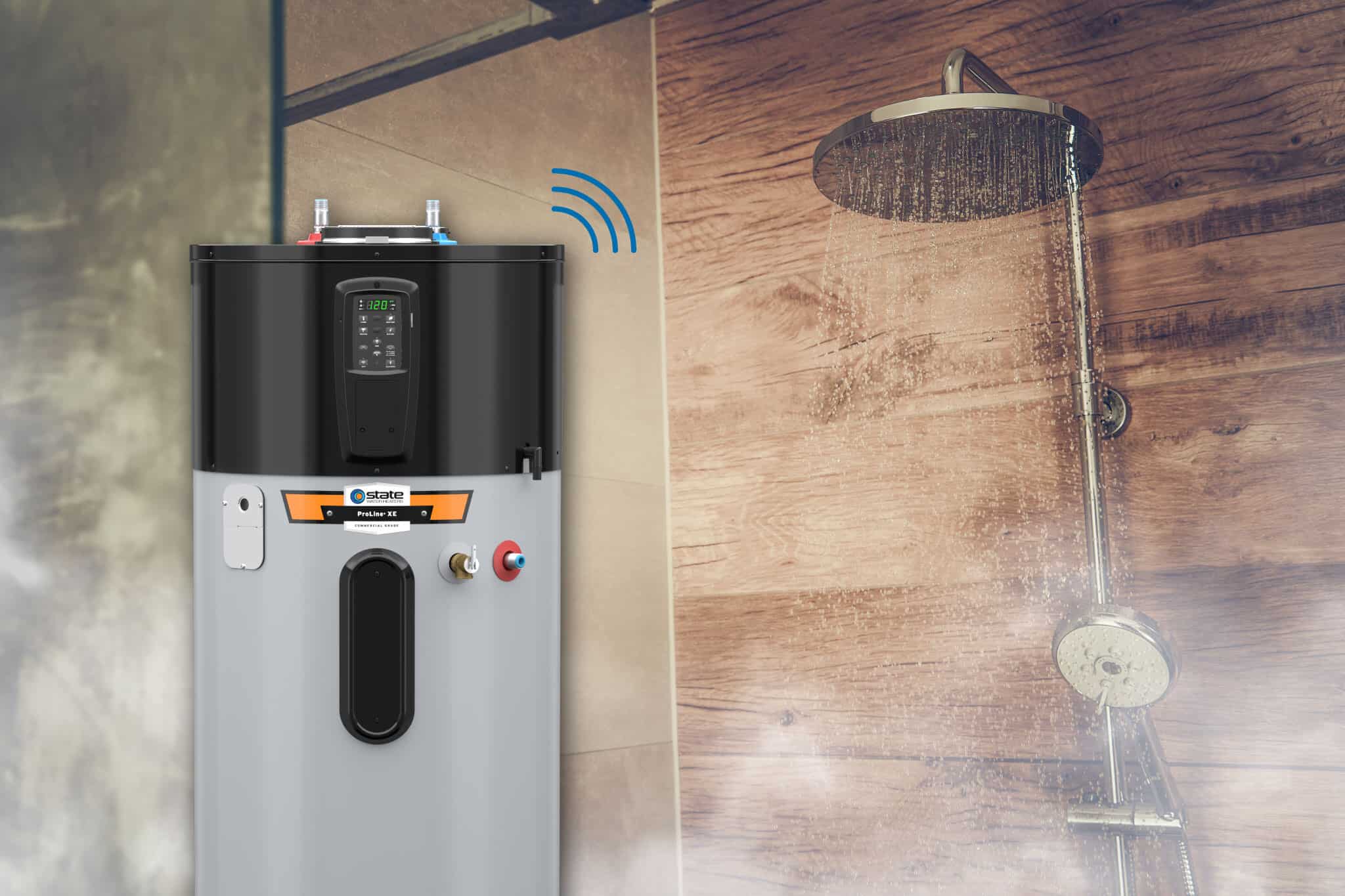
So, what is a smart water heater? At its core, it is an energy-efficient water heater equipped with digital microcontrollers, integrated temperature sensors, and built-in wireless networking. Unlike standard units controlled by manual thermostat dials, a Wi-Fi water heater connects directly to your smartphone or home automation network through a companion mobile application.
Through this digital connection, the unit tracks real-time power consumption, analyzes daily consumption patterns, and allows precise temperature adjustments from anywhere. High-capacity residential units deliver rapid recovery rates comparable to a smart water boiler, making sure your household maintains consistent water pressure and heat without wasting standby power during off-peak hours.
4 Core Mechanisms Driving Monthly Energy and Cost Savings
1. Time-of-Use Rate Shifting and Grid Synchronization
Many electric utility companies implement dynamic pricing models, charging premium rates for electricity used during peak demand windows (typically late afternoon to early evening). A connected water heater interacts directly with these utility schedules or smart grid programs through demand-response capabilities.
You can program heating cycles to ramp up during low-cost, off-peak hours (such as overnight or midday) and scale back operation during high-rate windows. The tank’s high-density insulation retains thermal energy, keeping water hot for evening routines without drawing power when electricity costs are highest.
2. Adaptive Learning and Custom Scheduling
Standard water tanks burn energy continuously to maintain a set temperature (usually 120°F) 24 hours a day. A smart energy water heater replaces this continuous draw with automated behavioral learning. Onboard sensors analyze when your household actually uses hot water (such as morning showers or evening laundry) and adjust heating cycles accordingly.
The system scales down target temperatures during quiet hours or during typical workday windows when the house is empty. When traveling, you can activate Vacation Mode via the mobile application to pause active heating entirely and schedule the tank to warm back up right before you return.
3. Early Leak Detection and Automatic Shut-Off Valves
Water heater failures are among the leading causes of indoor residential flooding, frequently resulting in costly structural repairs and mold remediation. Standard tanks often leak silently behind closed utility doors until major pressure breaches occur.
The best water heater models on the market come equipped with integrated moisture detection sensors installed around the base pan along with an automatic inline shutoff valve. If a seal weakens or a leak occurs, the system takes immediate action:
- The base sensor detects moisture right away.
- The unit sends an instant push notification and email alert directly to your phone.
- An automated valve shuts off the main cold water supply line within seconds, stopping active leaks before catastrophic property damage occurs.
4. Hybrid Heat Pump Efficiency
Modern smart water heaters often incorporate hybrid heat pump technology. Instead of relying exclusively on high-draw electric resistance coils, heat pumps pull ambient thermal energy from surrounding indoor air and transfer it directly into the water storage tank.
When governed by smart electronic controls and adaptive operating modes (such as Hybrid, Heat Pump Only, or Electric Only), a hybrid water heater for homes uses up to 70% less electricity than standard resistance units. Over a typical 10 to 15 year operational lifespan, these savings add up to thousands of dollars in cumulative utility reduction.
Operational Factors to Evaluate Before Upgrading
Selecting the right replacement system involves matching equipment specifications with your home’s physical layout, fuel availability, and household demand patterns:
- Capacity and Gallon Sizing: A 50-gallon hybrid tank provides ample hot water for a typical 3- to 4-person household. Larger families or homes featuring high-flow soaking tubs may benefit from 66-gallon or 80-gallon tanks or a smart tankless system providing continuous flow.
- Wi-Fi Connectivity and Signal Range: Since water heaters are usually installed in basements, utility closets, or garages, verify that your placement location receives a strong wireless network signal to maintain app communications and diagnostic alerts.
- Anode Rod Maintenance and Diagnostics: Advanced smart models feature adaptive smart anodes that monitor local water hardness and regulate electrochemical wear, extending tank life and notifying you through the app when replacement parts are necessary.
- Utility Incentives: Because ENERGY STAR® certified smart and hybrid units significantly reduce power grid demand, many regional utility providers offer substantial efficiency incentives for qualifying models.
Take Control of Your Home’s Water Efficiency
Waiting for a water heater to fail usually means dealing with an unexpected cold shower, water damage, or emergency replacement hassles. Upgrading on your schedule lets you select the right system for your lifestyle while locking in immediate monthly energy savings.
Whether you need a high-capacity hybrid tank, a space-saving smart tankless unit, or guidance on regional utility incentives, visit your local Coburn’s Showroom. Our expert consultants will help you compare connected models, calculate optimal sizing for your home, and choose a solution that delivers reliable performance for years to come.

