Elk Lighting
Minimalist Chandelier
Purposeful Elegance With Timeless Form
Like many prominent design movements, the foundational principles of Minimalist Interior Design derive directly from art. Minimalist art in the early 1960s focused on sleek, simple textural layouts alongside structural materials defined by geometric line and form. These identical concepts were masterfully applied to architecture and home environments, surging in popularity by the 1980s.
Today, Modern Minimalist Interior Design continues to evolve. It remains an incredibly timeless choice for discerning homeowners because it deliberately avoids short-lived decorating fads that can quickly date an environment. The result is a highly curated living experience that feels fresh, sophisticated, and forward-thinking for years to come.
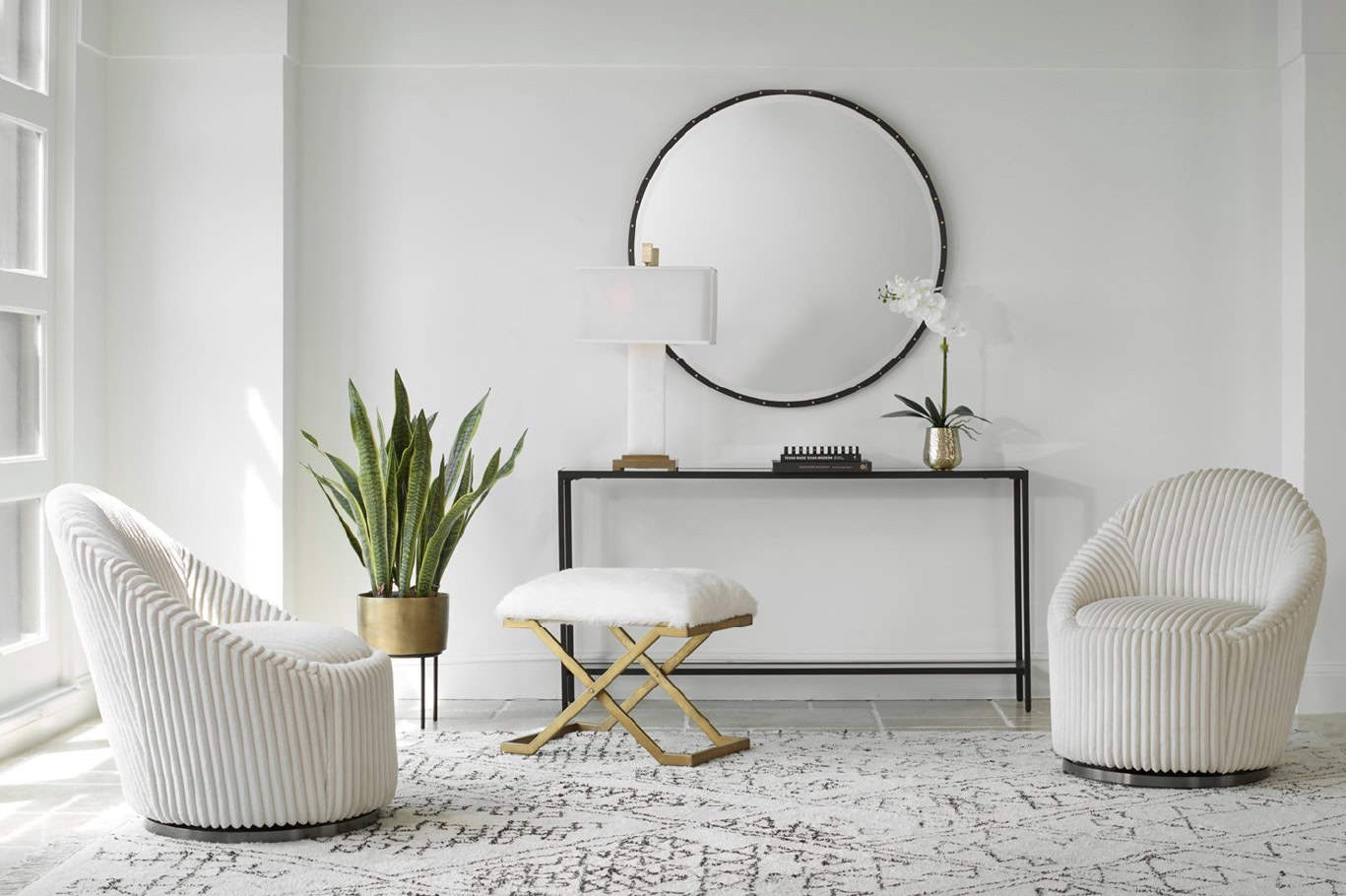
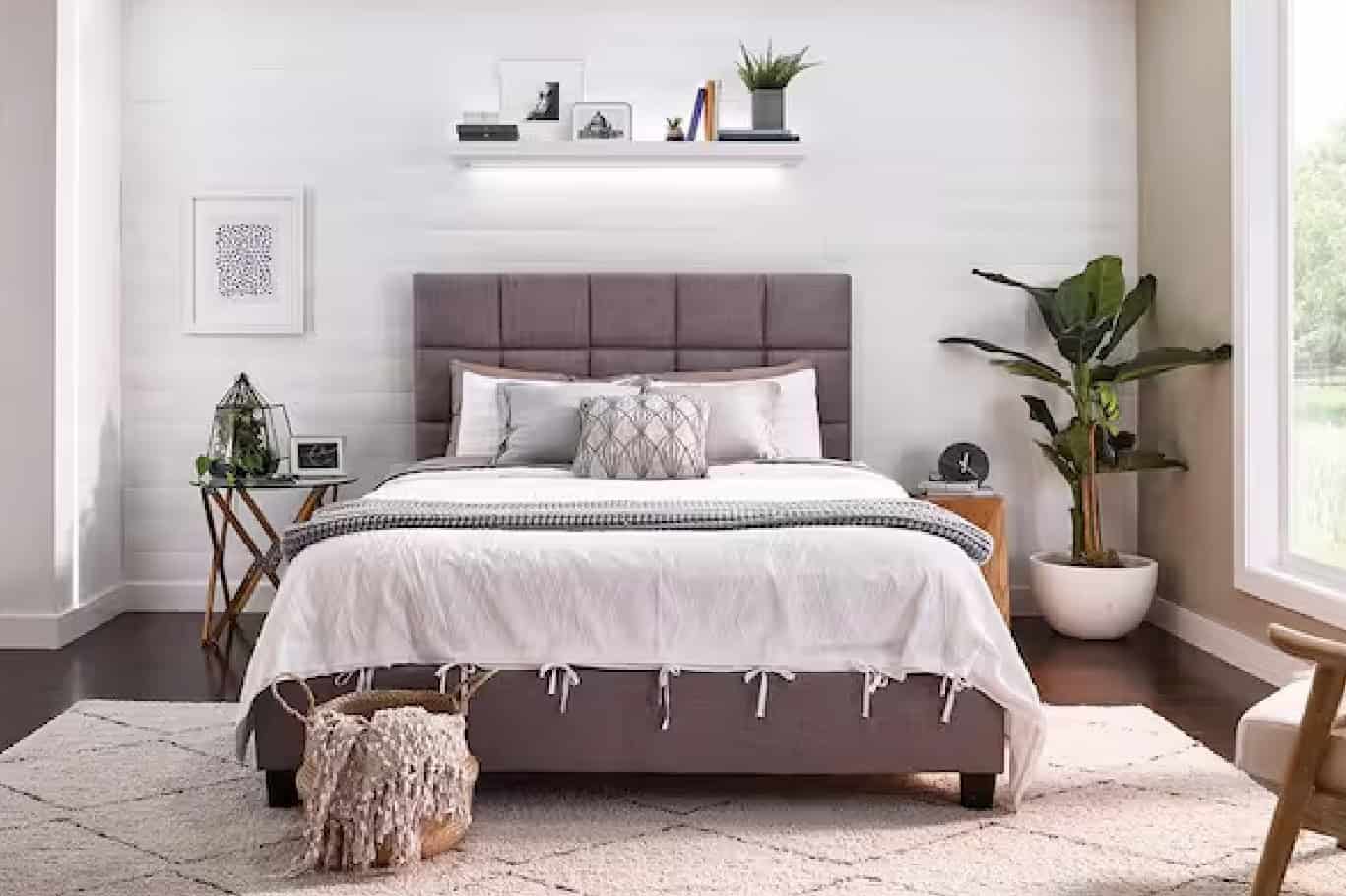
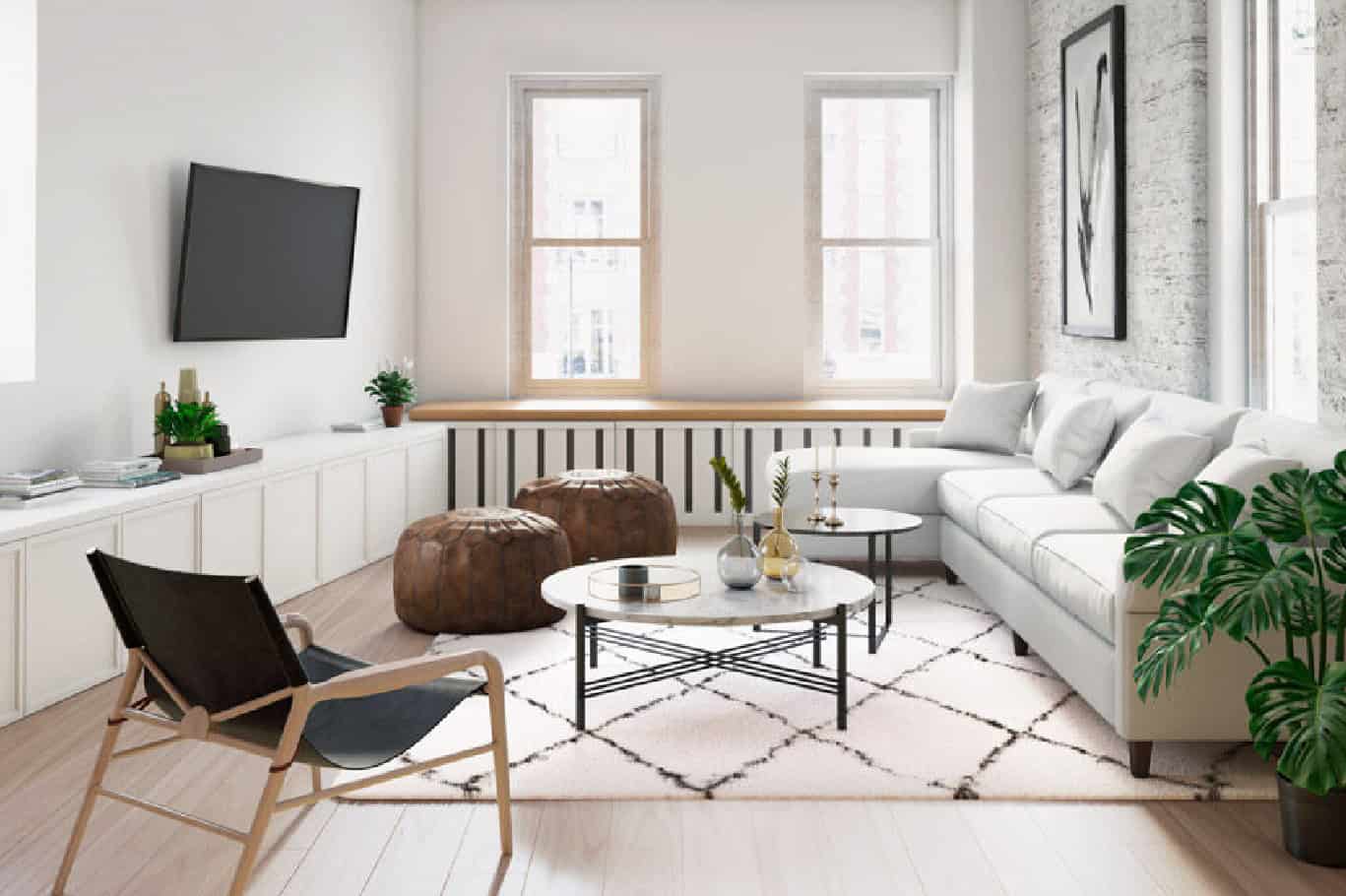
Less is more when it matters most. True minimalism is more than a visual trend, acting as an intentional way of life where a cohesive Minimalist Home Design emphasizes structural simplicity, flawless functionality, and the raw beauty of uncluttered architecture. This movement centers entirely around eliminating visual noise and cultivating an elevated Minimalist Living Space. By making thoughtful, premium material choices, you can easily evoke an immediate sense of calm, order, and refined elegance across your entire floor plan.
Design with purposeful restraint. Simple Minimalist Home Décor uses streamlined furniture and a basic color palette of whites, blacks, and grays to highlight key fixtures. Using a Natural Material Interior Design setup like stone, unlacquered metals, and light woods adds welcoming warmth to wide, open spaces. Combining a Clean Line Interior Design layout with soft, warm lighting creates an inviting atmosphere that values open space and brings an immediate sense of calm.
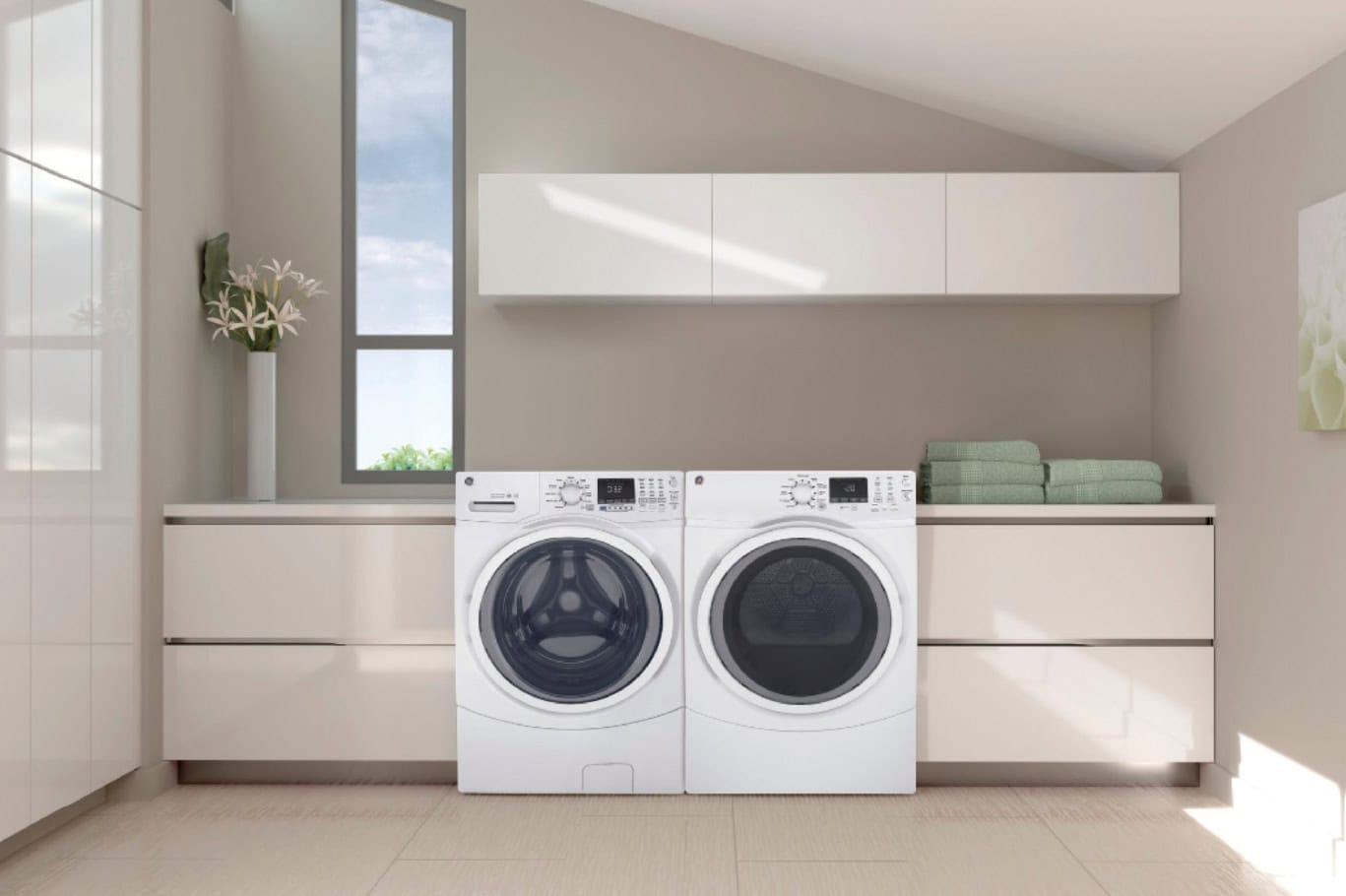
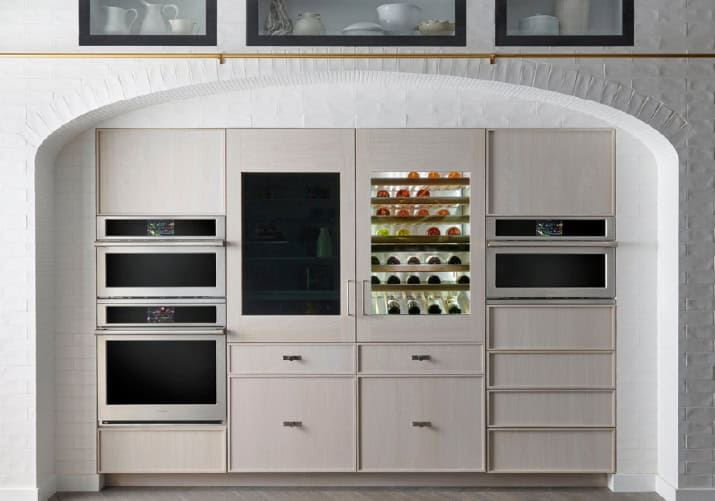
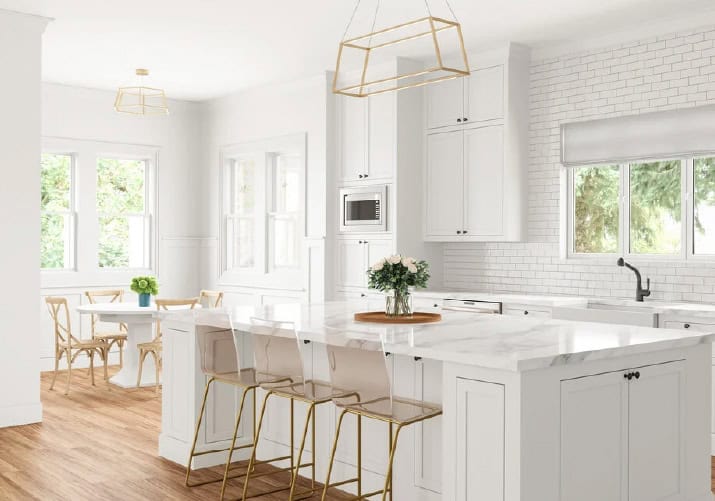
Conceal the clutter where you gather. In open-concept layouts, achieving a functional Minimalist Kitchen Design means choosing high-performance appliances that hide flat against your custom cabinets. Handleless doors with hidden push-to-open features create a smooth, unbroken look across the room, while flat-panel doors in matte or glossy finishes look clean and modern. Plenty of hidden storage spaces keep your countertops completely clear, keeping your workspaces tidy and easy to use.
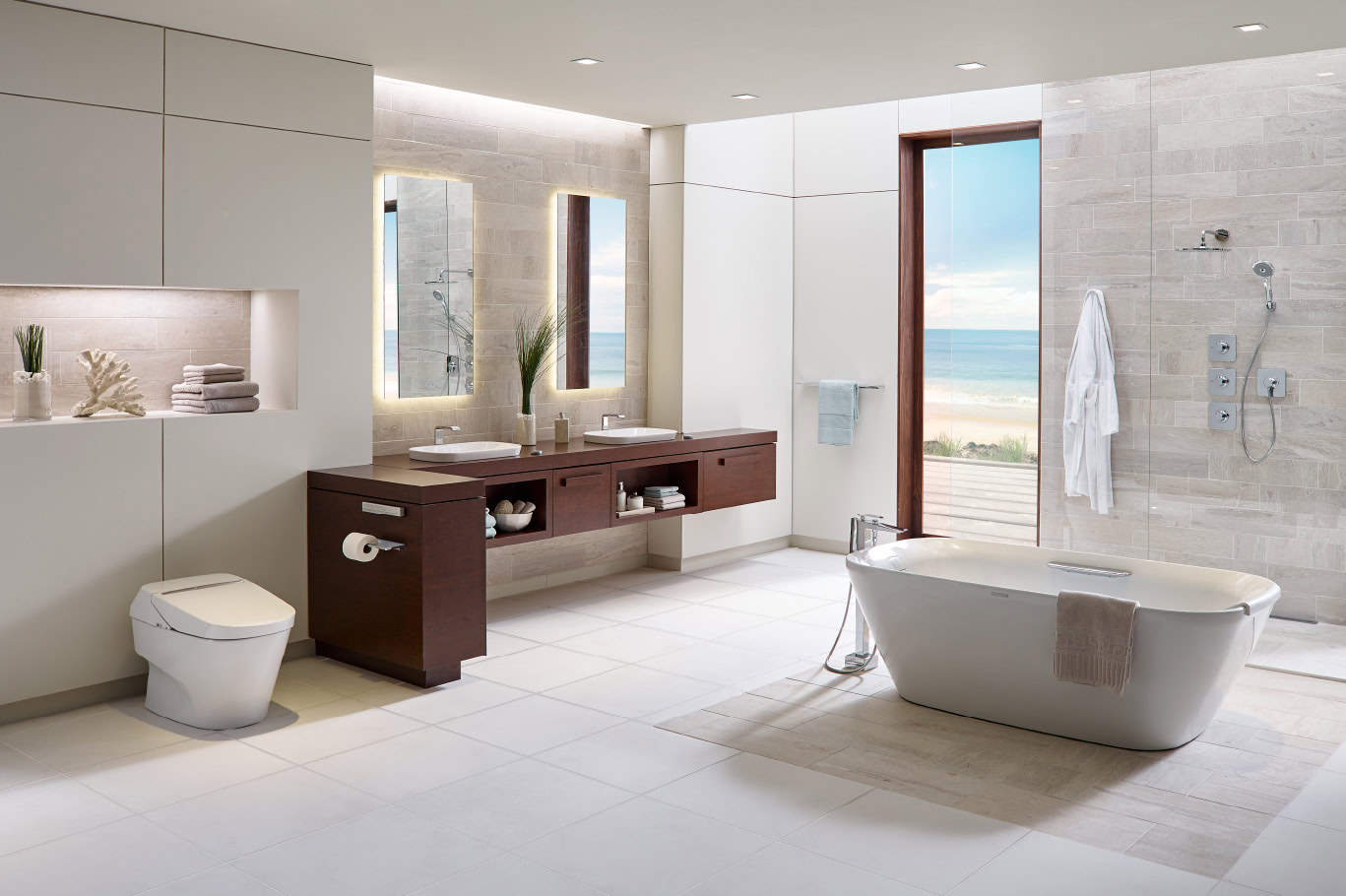
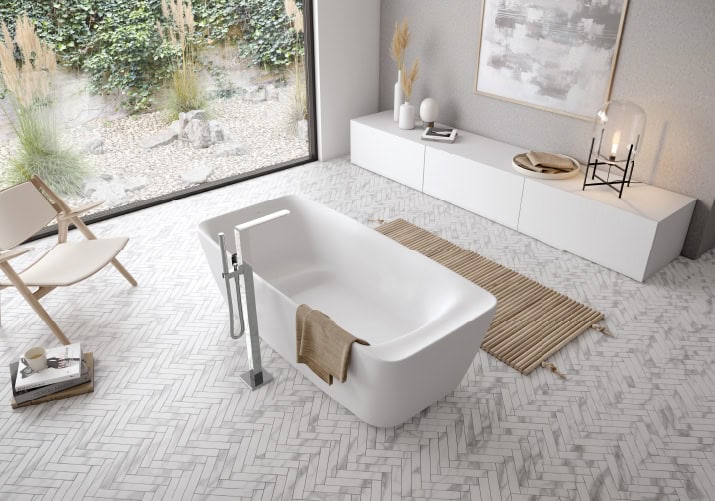
Turn your daily routine into a sanctuary. Transform your bathroom into an uncluttered space where a smart Minimalist Bathroom Design blends easy cleaning with deep, spa-like relaxation. Expand your entire layout into a true Minimalist Living Space by using continuous flooring with glass-enclosed walk-in showers or a simple freestanding bathtub. Wall-mounted floating vanities clear up floor space to make the room look larger and brighter, while deep recessed shelves keep toiletries completely out of sight.
To successfully execute this look, start by decluttering and keeping only the items that add true daily value to your environment. Choose a few select decorative pieces that inspire you, and invest in high-quality materials and fixtures that masterfully serve both form and function. The ultimate goal is to shape a home that is functionally efficient while remaining deeply serene and highly inviting.
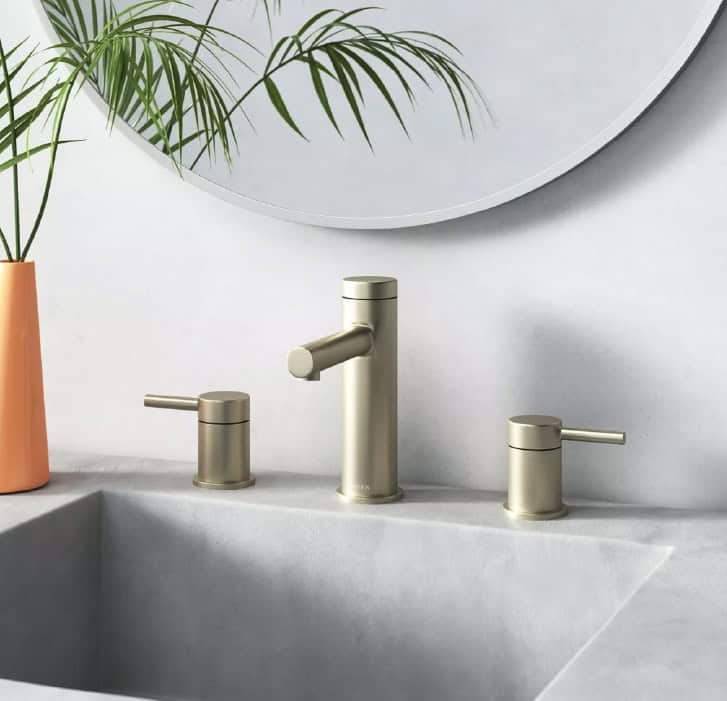
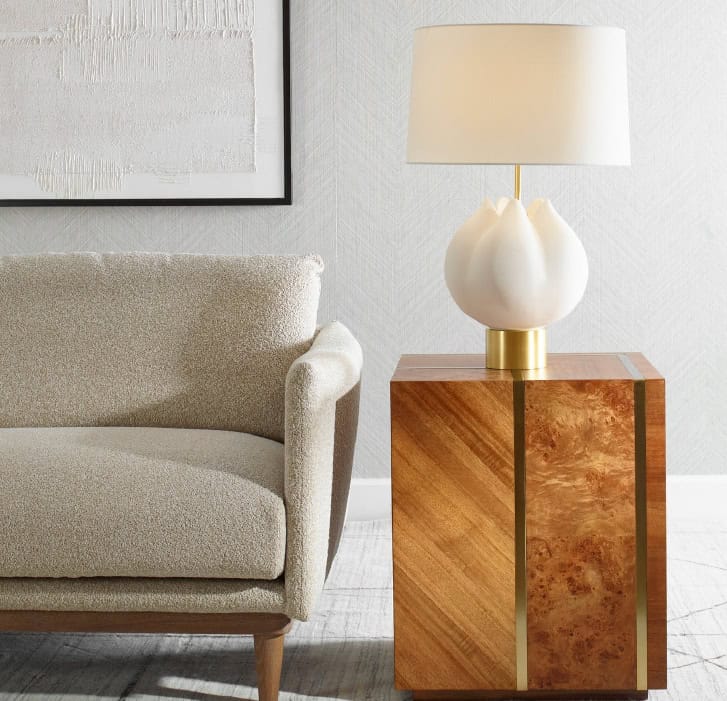



Contemporary Minimalist Home Décor does not mean stark white rooms with a few pieces of furniture decorated with plants. You can confidently experiment with subtle tonal colors, clear your environment, and incorporate different natural wood and textile styles to accent and personalize your space. The ultimate key is designing intentionally around the natural beauty and everyday function of each room. Consider how to create a relaxing bedroom, what essentials you need in the kitchen or bath, and how to bring out the authentic character of your home.
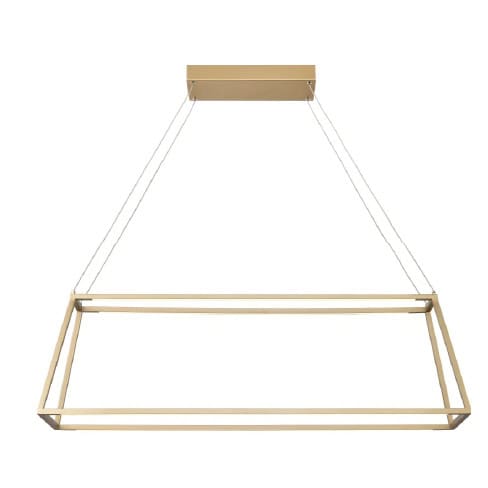
Minimalist Chandelier
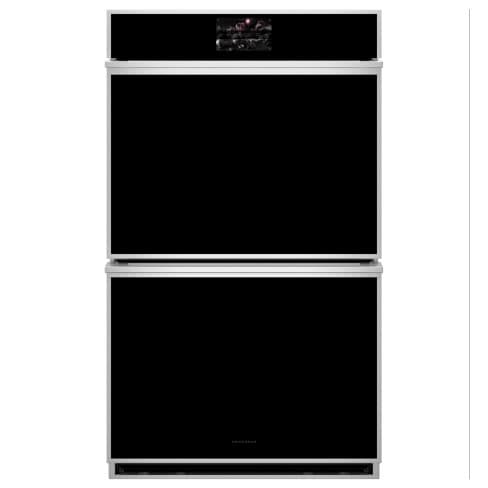
Minimalist Double Electric Oven
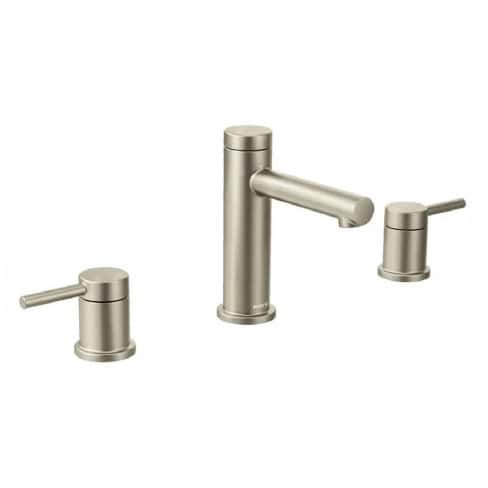
Align Bathroom Faucet
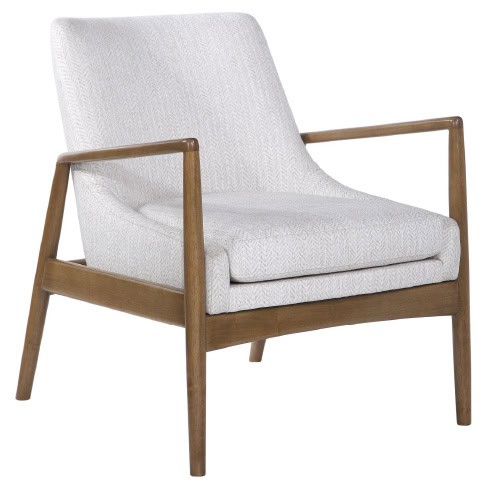
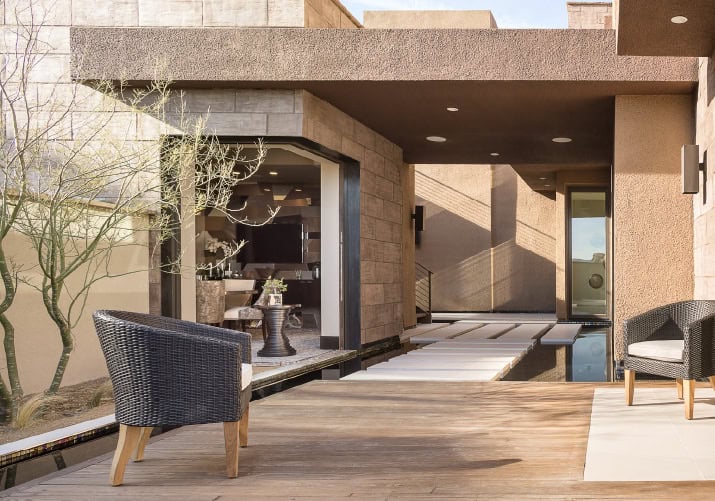
Bev Accent Chair
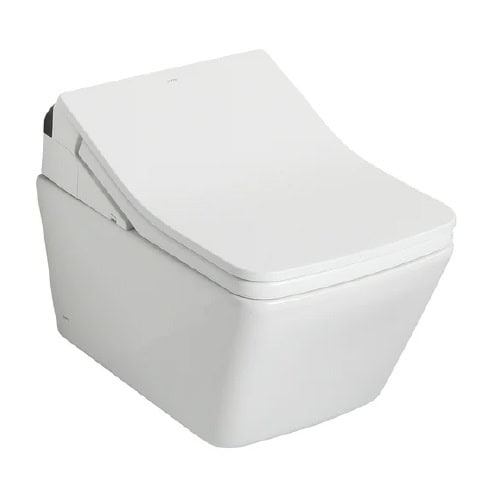
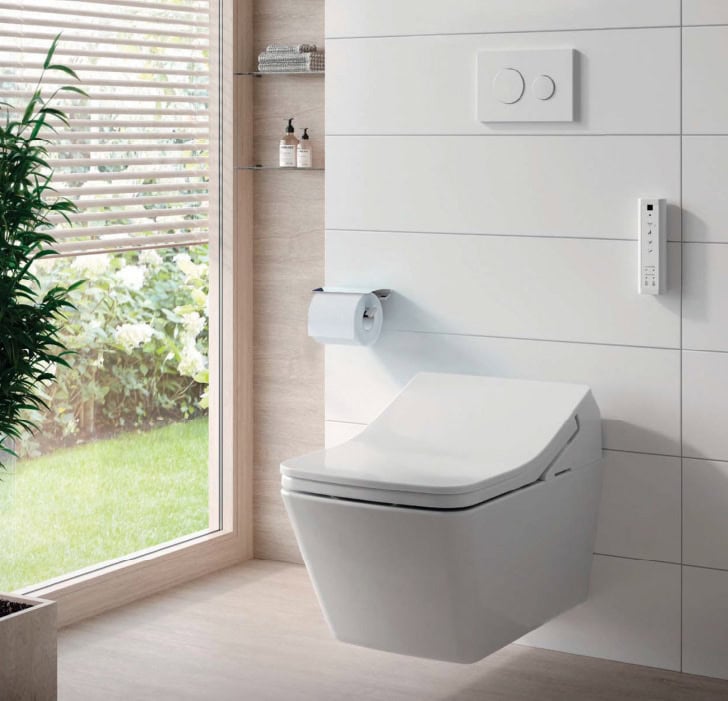
WASHLET+ SP Toilet
Unlike design movements tied to a singular era, this style was shaped over decades by global cultures and artistic philosophies. In the 1920s and 1930s, the German Bauhaus philosophy heavily promoted functional design that emphasized geometry, asymmetry, and raw industrial materials. Following World War II, visionary architects shifted their focus toward wide-open floor plans, clean lines, and completely uncluttered structures.
The mid-twentieth century rapidly advanced the style by introducing modern materials like structural steel and large glass panes, allowing a wealth of natural light to flow into interior spaces. Today, modern architects and residential designers are heavily influenced by global sustainability, a renewed focus on Natural Material Interior Design elements, and major advancements in technological home efficiency.
It focuses on structural simplicity, clear functionality, and zero visual clutter to maximize light. The goal is to design a space where every item serves a distinct purpose.
Using Natural Material Interior Design elements like stone, light woods, and linens add immediate warmth. Mixing sleek lines with natural textures keeps the room welcoming
An efficient Minimalist Kitchen Design uses integrated appliances, handleless flat cabinets, hidden storage, and clear countertops to create a smooth, continuous look
Essential features include floating vanities to maximize floor space, glass walk-in showers, freestanding tubs, and hidden recessed shelving to keep everyday items out of sight.
Yes. While Minimalist Home Décor favors a monochromatic base, you can use muted earth tones, soft pastels, and natural wood grains to add personality without creating visual noise.
Achieving a balanced, minimalist home is all about making intentional choices. Visit Coburn’s showroom today to partner with our expert design consultants, explore our curated collections, and find the perfect, high-performance fixtures to elevate your space.

