What Is a Smart Water Heater? Features, Benefits, and How It Works
Traditional appliances keep full tanks of water hot around the clock, driving up utility bills by continuously burning energy even when a house is empty. If you want to take control of your utility costs and optimize appliance performance, understanding what a smart water heater is the first step toward a more efficient home.
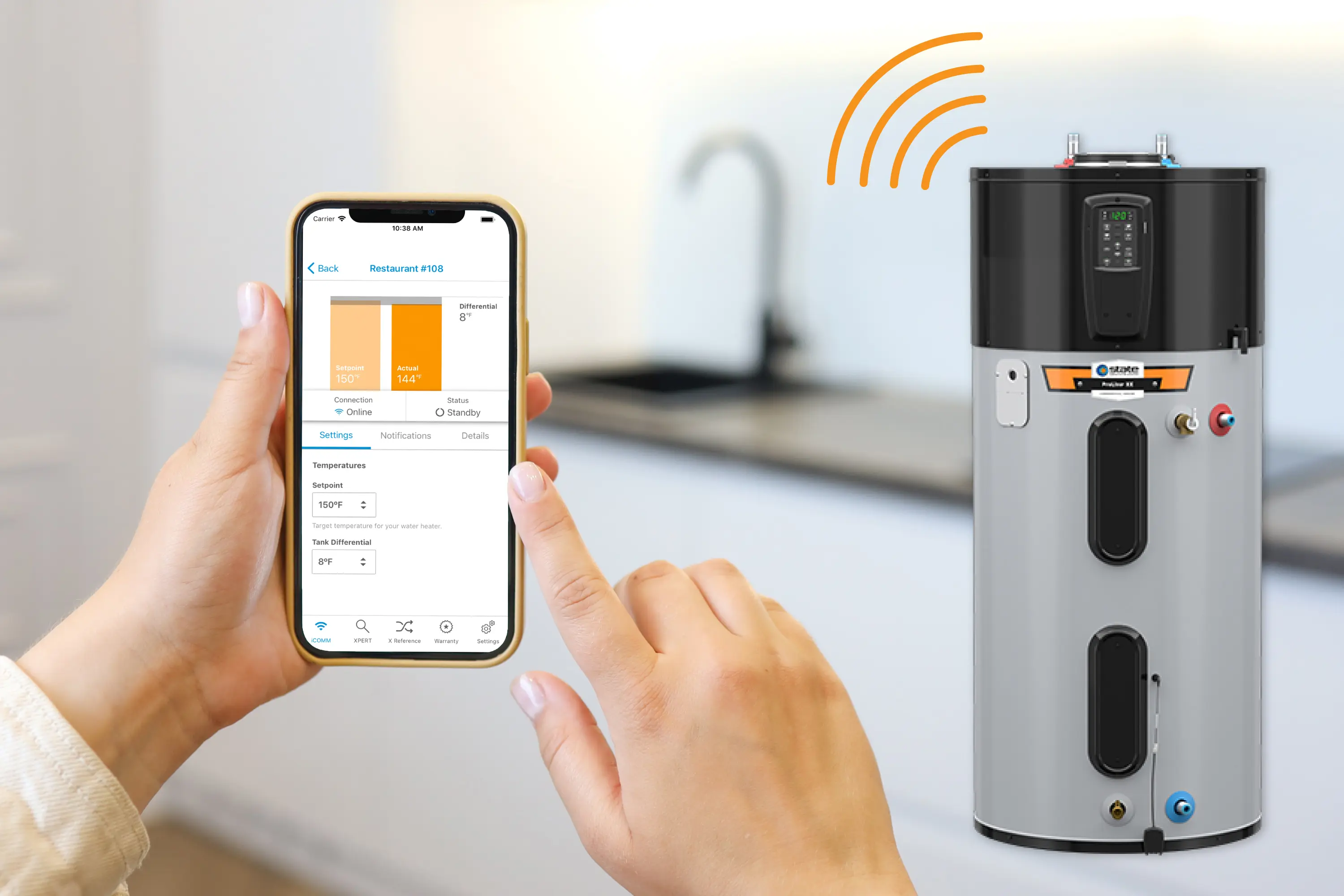
A modern smart water heater integrates digital communication technology, built-in sensors, and home automation to maximize heating efficiency. These advanced appliances allow you to track real-time energy usage, set personalized operational schedules, and manage diagnostics remotely through dedicated smartphone apps.
How Does a Connected Water Heater Work?
At its core, a connected water heater functions similarly to standard models by using either gas burners or electrical elements to heat water. The key difference lies in the integration of intelligent control modules, internet connectivity, and operational sensors.
- WiFi Connectivity: The unit links directly to your home network. This allows homeowners to monitor performance, adjust target temperatures, or toggle modes from anywhere via a smartphone or a smart home hub.
- Advanced Diagnostics & Sensors: Integrated internal sensors track water temperature, incoming flow rates, and component functionality. These sensors instantly flag irregularities, sending emergency leak detection notifications to your phone to mitigate the risk of catastrophic water damage.
- Predictive Learning Algorithms: Rather than maintaining a set temperature continuously, the onboard software monitors your household’s daily consumption habits. It learns when your family uses the most hot water (such as morning showers or evening laundry) and customizes its heating cycles to match those precise high-demand windows.
Key Features of Smart Home Water Heaters
Remote Monitoring and Wifi Water Heater Controller Options
For homeowners who are not ready to swap out their functional existing systems, a standalone wifi water heater controller can be retrofitted onto many standard tank units. Whether you choose an integrated appliance or an external aftermarket controller, the primary benefit is operational transparency. You can adjust temperatures remotely, monitor energy logs, and track performance metrics seamlessly.
Precision Time-of-Use Scheduling
Smart programming allows you to sync your appliance with local utility pricing structures. If your power provider charges higher rates during peak hours, you can schedule the unit to heat water during off-peak periods and enter a low-energy standby state when demand charges spike.
Automated Eco and Vacation Modes
When you leave for the weekend or go on extended travel, you can use a companion app to instantly trigger a vacation mode. This drops the baseline holding temperature to a safe minimum, preventing standby heat loss while ensuring you do not waste resources heating an empty home.
Smart systems are engineered to accommodate the existing utility setups found in modern homes, categorized into two main power configurations. Depending on your home’s infrastructure, you can choose between electric and gas models to power your smart system:
- Smart Electric Water Heater: This setup utilizes high-voltage electric heating elements or advanced hybrid heat pump loops to warm your water supply. Opting for a hybrid smart water heater electric model allows the system to draw heat directly from the surrounding air, which can cut your baseline energy consumption by up to 70% compared to conventional electric units.
- Smart Water Heater Gas: This configuration relies on natural gas or liquid propane burners paired with an electronic ignition module rather than a standing pilot light. A smart water heater gas unit offers exceptionally rapid recovery times for large households while integrating digital control valves to safely monitor fuel lines and detect system anomalies.
Whether you choose a smart electric unit for a clean, vent-free installation or a gas-powered system for rapid hot water recovery, both configurations utilize the same automated scheduling, remote monitoring, and diagnostic safety software.
Upgrade Your System at Coburn’s Kitchen & Bath Showroom
Transitioning to a smart home water heater is a practical strategy to enhance daily household comfort, secure preventative maintenance alerts, and reduce baseline utility costs. Finding the right capacity, brand, and fuel configuration for your home requires professional guidance.
We invite you to visit your local Coburn’s Showroom to explore advanced water heating options in person. Our knowledgeable showroom consultants can walk you through the latest technology, explain local utility rebate qualifications, and help you select the ideal energy-efficient system tailored to your home’s unique footprint.

