How to Disinfect a Bathroom: Flu Season Cleaning Guide
10 Steps for Cleaning a Bathroom During Flu Season
If room size always correlated with room purpose, laundry rooms and bathrooms would probably merit more square footage than they often get. Yet, some home plans allocate only a small hallway alcove or combine functional washrooms into tight footprints. Spacious or reserved, your space impacts health and safety, determining whether maintaining proper hygiene is a simple routine or a constant battle.
While individual residential designs can vary considerably, establishing a rigorous routine for bathroom disinfecting becomes essential when cold and respiratory illnesses spike. Knowing how to clean a bathroom effectively prevents pathogenic cross-contamination between family members. By applying structured space-management tactics and targeted sanitization protocols, you can transform your master bath or powder room into a hygienic shield for your home.
1. Recognize How Easily Germs Spread in Your Bathroom
Make a mental checklist of all the hard surfaces you touch when you use a washroom: door handles, light and fan switches, cabinetry knobs and pulls, faucet handles on the sink, controls on the bathtub or shower, hampers, trash cans, and the toilet lever, as well as the seat and lid. Our feet and hands make contact with the shower, and our entire body has contact with the bathtub. Then, there is the counter space and floor.
Germ Hotspots in Your Bathroom
Next, add all of the soft surfaces: hand towels and bath towels, tissues and toilet paper, bathroom rugs, and shower curtains. There are also soaps, cosmetics, and other personal care items like toothbrushes or blow dryers that we keep in the bathroom. Knowing how to clean a bathroom properly begins with identifying these exact reservoirs. Each surface that you or someone else touches becomes a hotspot, acting as a point for the indirect transmission of pathogens to the next person who touches it. By reviewing proven bathroom cleaning tips, you can systematically break this chain of transmission.
2. Sanitize Surfaces and Items That Are Commonly Touched
Germs can live on dry surfaces for hours, days, and even weeks. In fact, seasonal viruses typically remain active on hard materials like stainless steel, porcelain, and plastic longer than they do on soft, porous materials like fabric. Every time someone touches a surface, whether it is a toilet handle, faucet, or light switch, they may introduce new micro-organisms or pick up existing ones.
Clean High-Touch Areas Frequently
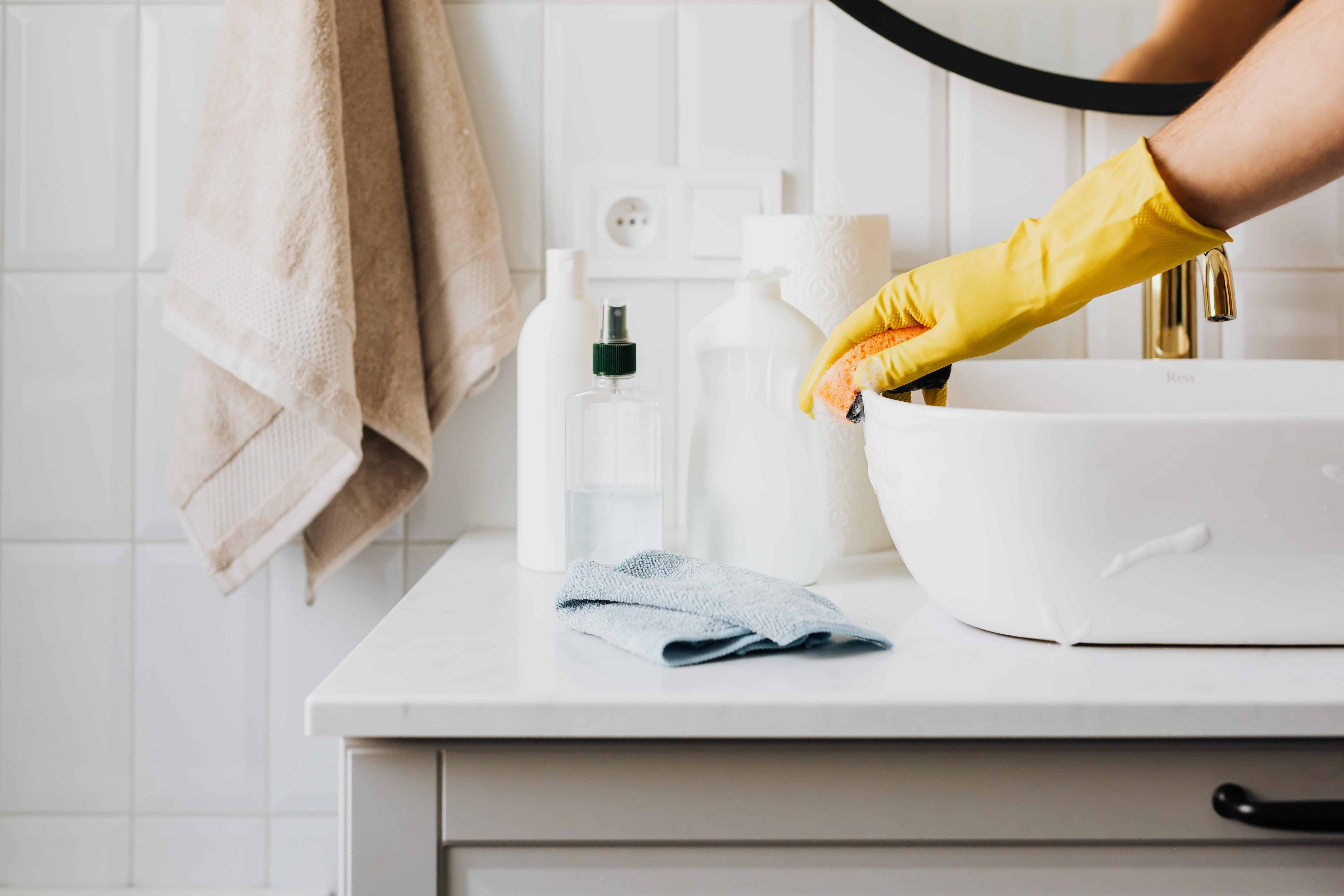
To reduce the spread of illness, make a habit of executing a proactive routine for how to sanitize a bathroom multiple times a day during flu season. Focus heavily on countertops, sink handles, toilet flushers, and doorknobs, as these areas are touched often and easily harbor bugs. Frequent bathroom disinfecting helps eliminate these invisible threats before they multiply and spread to others in your household.
3. Install Touchless Bathroom Appliances
Sensor technology and smart apps offer amazing opportunities to eliminate the need to touch switches, handles, and other manual controls at all.
Smart Features to Prevent Spreading Germs
These innovations are not just convenient; they significantly reduce points of contact, limiting the spread of viruses during peak cold seasons. Light switches can be voice-activated. The wave or tap of a hand can turn a faucet on and off or activate a soap dispenser. You can pour the perfect bath or start a relaxing steam bath with the tap of an app. Toilet lids can open automatically, and toilets can be self-cleaning and allow completely personalized, touchless operation. You can even find hands-free trash cans to make your basic bathroom hygiene tips much easier to maintain.
4. Use Antimicrobial Materials
Germ-Resistant Finishes for Bathrooms
Products are available that incorporate antimicrobial materials and advanced finishes like Microban to prevent mold, mildew, and bacteria on handles and switches. Modern manufacturers are creating permanent solutions built directly into hardware coatings that make daily maintenance faster and more effective. Learning how to clean bathroom surfaces that feature these advanced treatments requires far less chemical abrasion while maintaining a highly sanitary environment, which is ideal for seasonal illness waves and year-round peace of mind.
Furthermore, many manufacturers are choosing premium nonporous materials or engineered composites for larger items that are not only durable and beautiful but also easy to wash down. From sinks and countertops to bathtubs and shower surrounds, features that are easy to keep sanitary remain a core industry focus.
5. Clean and Disinfect Showers to Prevent Germ Build-Up
Even when we are well, standing in a shower and letting it stream the day’s worries away is a stress-relieving ritual. When we are sick, the shower becomes a refuge of warm water and steam that helps relieve aches and pains and clear breathing. What that means for the next person who uses it, however, is that the entire enclosure needs to be refreshed. Keeping a dedicated surface spray and squeegee handy is a massive step toward making this task simple. Just a few quick swipes can send moisture and germs right down the drain.
Don’t Overlook Shower Curtains and Liners
If you are using a traditional fabric shower curtain and liner, that can be another structural area that traps particles simply because curtains can be a hassle to take down, wash, and hang back up. Upgrading to sleek glass shower doors makes it remarkably easy to spray down and sanitize everything right in place.
6. Use Fresh or Disposable Towels
You have some choices here, but the main goal is to stop the transfer of germs to others and prevent you from reinfecting yourself. Moist towels can serve as a breeding ground for bacteria, odors, and mold. Hand towels and bath towels should ideally be washed after each use when illness is present in the home.
Prevent Germ Spread with Clean Towels
This practice is an essential component of an effective bathroom cleaning checklist during flu season. If you do not have enough spare linens to wash them constantly, you may want to temporarily switch to single-use paper towels or keep a box of sanitizing wet wipes readily accessible, especially if you are having guests over.
7. Get Organized
Most of us keep a lot of personal care and beauty items in our washrooms. We need them, but if they are taking up premium real estate on counters, in the shower, or around the bathtub, they interfere with our ability to wipe things down. They actually become yet another set of items that we need to handle and move around while someone is sick, collecting dirt and moisture in the process.
Hygienic Bathroom Design and Storage Solutions
There are many effective ways to keep your space organized. If you are dealing with a compact layout, consider using clear acrylic bins to store small items that would otherwise clutter your cabinets. Drawers with internal dividers are a fantastic way to bring quick organization to unruly spaces. If you have multiple people living in the house, consider creating individual travel caddies for each resident that can be easily tucked away in a cabinet or on a shelf when not in use.
8. Manage Laundry and Bathroom Waste to Prevent Germs
Keeping up with the laundry and the trash seems simple, but it really is important. If you empty waste receptacles frequently, you will not have the problems of overflow or having to handle dirty items more than once. After all, coming into contact with soiled laundry and waste is a common method of transmitting illness. Having adequate, lidded receptacles also helps to mitigate clutter so that washing down counters and bathing areas remains a quick task.
9. Use Ventilation and a Bathroom Air Purifier
Many viruses are transmitted through the air when we sneeze, cough, or breathe. Simply running an integrated bathroom ventilation fan to keep air moving and remove heavy steam and humidity helps keep the indoor environment drier, making it far more difficult for airborne particles to linger.
Why Add a Bathroom Air Purifier?
Adding a specialized air purifier to the room is also a highly effective option. They run periodically to remove impurities present in the air. While standard filtration captures physical particles, advanced purifiers can actively sanitize the air, depending on the model. Some models use ultraviolet light, charcoal filters, or a combination of technologies to clean the air, supporting better health protection year-round.
10. Don’t Forget the Floors and Everything Else
In today’s world, mastering how to deep clean a bathroom and other communal spaces in your home remains vital year-round and will only increase in importance during cold and flu season. The trick is to make the process simple by adopting smart daily habits, investing in low-maintenance materials, and knowing exactly how to disinfect a bathroom from top to bottom.
Sweeping and mopping with the best bathroom disinfectant for your specific flooring ensures that tracked-in debris and settled particles are completely neutralized. Don’t overlook the footprint around your plumbing fixtures, either. Knowing exactly how to disinfect toilet assemblies, exterior porcelain tanks, and the surrounding tile ensures no hotspot is left untreated.
Upgrade Your Space for Lasting Health and Safety
Smart design makes a clean home effortless. Simple updates like non-porous surfaces, automated faucets, or touchless appliances drastically reduce the time and effort needed to protect your household.
To see the latest touchless fixtures, antimicrobial sinks, and easy-to-clean designs in person, visit your local Coburn’s Kitchen & Bath Showroom. Our consultants are ready to provide practical layout advice and help you select beautiful, durable fixtures that keep your home healthy and functional year-round.

