Vintage Home Decor: How to Bring Classic Character into Every Space
Vintage Home Decor: 5 Ways to Bring Classic Character into Every Space
Striking the balance between timeless elegance and cozy nostalgia doesn’t require turning your living space into an antique museum. Modern minimalist trends with cold stainless steel and sterile grey walls often lack personality. In contrast, incorporating vintage elements brings warmth, depth, and structural character into any room.
Whether you are restoring an early 20th-century home or adding warmth to a modern build, here is how to master vintage interior design through curated layering, authentic materials, and classic fixtures.
1. Coordinate an Era-Specific Color Palette
Color sets the emotional tone of your room. While modern palettes lean heavily on monochromatic neutrals, a well-executed vintage color palette relies on rich undertones and calculated contrasts.
To achieve an authentic period look, tailor your color selections to the specific decade you are drawing inspiration from:
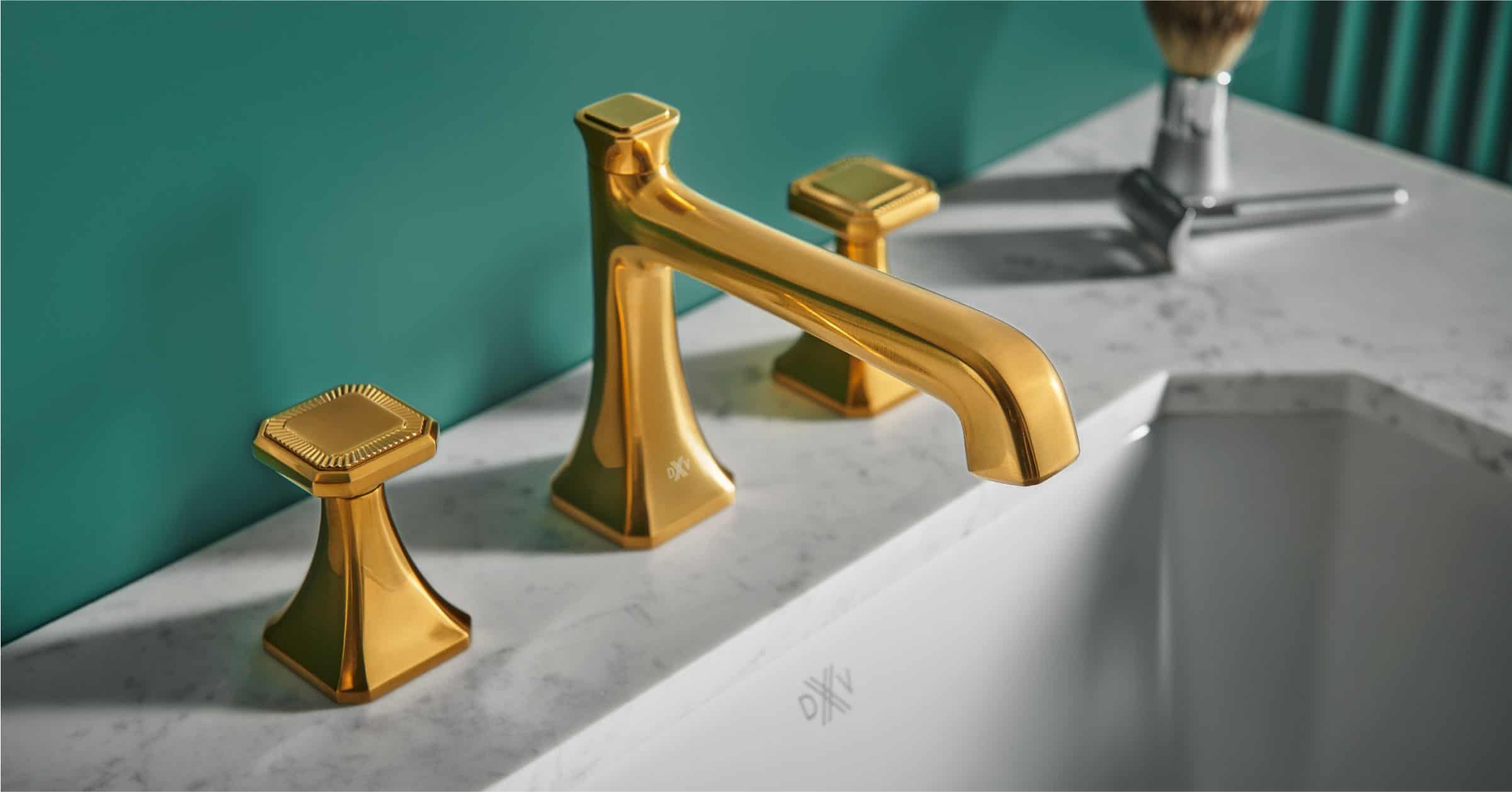
- 1920s Art Deco: Focus on rich jewel tones. Deep emerald green, rich navy, and dark plum shades pair effortlessly with burnished gold accents to evoke 1920s elegance.
- 1940s & Mid-Century: Choose optimistic, warm tones. Mustard yellow, terra cotta, avocado green, or crisp red and white combinations define mid-century spaces.
- Victorian & Heritage: Muted slate, deep burgundy, and sage green bring a grounded, historical feel to structural elements.
Extend your color story beyond paint. Carry these shades across upholstery, throw pillows, drapes, and statement artwork. A unified palette helps separate curated vintage decorating ideas from a chaotic collection of mismatched items.
2. Choose Materials and Hardware with Tactile History
Successful vintage home design relies on texture as much as color. Materials carry distinct historical cues, and period-accurate finishes give your vintage style home authentic character.
Metals and Living Finishes
Cold chrome often feels misplaced in historic settings. Switch to living finishes that develop character over time:
- Unlacquered Brass and Aged Bronze: Crucial for Art Deco and Victorian styles. These metals patina naturally, adding warmth to cabinet handles, door hardware, and sink faucets.
- Polished Nickel: Excellent for early 20th-century kitchen and bath designs, offering a softer tone than modern chrome.
Woods and Structural Surfaces
Pay close attention to wood grains and wall coverings. Natural knotty pine paneling, warm walnut, and reclaimed oak bring instant warmth to vintage living room ideas. Beadboard, wainscoting, and exposed brick add three-dimensional depth, creating an ideal background for your antique home decor.
3. Layer Strategic Vintage Lighting
Light fixtures act as the jewelry of a room, making them one of the most effective tools for establishing period style. Updating builder-grade overhead lights with thoughtful vintage lighting ideas instantly changes the atmosphere.
Ambient and Task Lighting
For mid-century or retro home decor spaces, floor lamps and table lamps with sculpted wooden bases or colored glass shades (like amber, moss green, or burnt orange) create warm, inviting pools of light.
Focal Overhead Fixtures
If your style leans toward 1920s glamor, choose bold Art Deco light fixtures. Tiered crystal chandeliers, flush mounts with geometric milk glass, or industrial brass pendants serve as strong room anchors. Layering overhead fixtures with wall sconces and lamps provides functional brightness alongside period charm.
4. Integrate Period Patterns and Textiles
Textiles offer a clear path to specific historical eras. Introducing retro patterns through rugs, throw pillows, drapes, and seat cushions adds texture to your home while keeping spaces functional and comfortable.
- 1920s Art Deco: Look for geometric prints, fan motifs, tessellations, and peacock feather patterns in velvet or silk.
- 1940s–1950s: Polka dots, gingham checks, botanical florals, and bold stripes in natural cotton or wool highlight classic mid-century spaces.
- 1960s–1970s: Oversized florals, textured bouclé, and abstract earth-toned prints create an approachable, relaxed vibe.
Using period patterns selectively on an accent chair, runner rug, or dining cushion keeps the pattern from overwhelming the room while highlighting your favorite vintage home accessories.
5. Invest in Purpose-Built Vintage Collections
Blending historic character with modern functionality can be tricky, especially in moisture-heavy areas like kitchens and bathrooms. Sourcing original antique plumbing fixtures frequently leads to leak issues and non-standard pipe connections.
The best solution is purpose-built, vintage-inspired kitchen and bath collections that combine classic styling with reliable modern performance.
A prime example is the DXV Belshire Collection. Built as a tribute to the 1920s Golden Era, the Belshire line features faceted lavatory faucets, freestanding soaking tubs, and sculpted porcelain vanities with clean Art Deco lines. Choosing a cohesive collection ensures your vintage bathroom ideas deliver historical character without sacrificing water efficiency or modern convenience.
Bring Your Vintage Design Vision to Life with Coburn’s
Building a timeless home requires seeing finishes, testing hardware, and choosing fixtures in person. Whether you are remodeling a single powder room or updating your entire house with cohesive vintage furniture ideas, Coburn’s Kitchen & Bath Showroom offers the expert guidance and curated product selections you need.
See authentic materials, period-accurate plumbing collections, lighting, and vintage home decor accessories up close at your local showroom location.
- Schedule a Visit: Book an Appointment at Your Local Coburn’s Showroom
- Find Your Aesthetic: Take the Coburn’s Style Quiz
Frequently Asked Questions
What is the difference between vintage, antique, and retro styling?
Items labeled antique are over 100 years old. Vintage pieces are authentic items created between 20 and 99 years ago. Retro refers to brand-new pieces made to replicate historical looks.
How do I mix old pieces with modern furniture without overcrowding?
Apply the 80/20 balance. Keep 80% of your room modern or simple, and save 20% for high-impact traditional elements like aged brass handles, a statement chandelier, or an accent chair.
What are the best classic bathroom updates for a small space?
Focus on compact features. Pair a space-saving pedestal sink with 1920s-style brass faucets, simple geometric tile, and wall sconces. A tailored line like DXV Belshire adds character without taking up unnecessary room.

