


Transitional
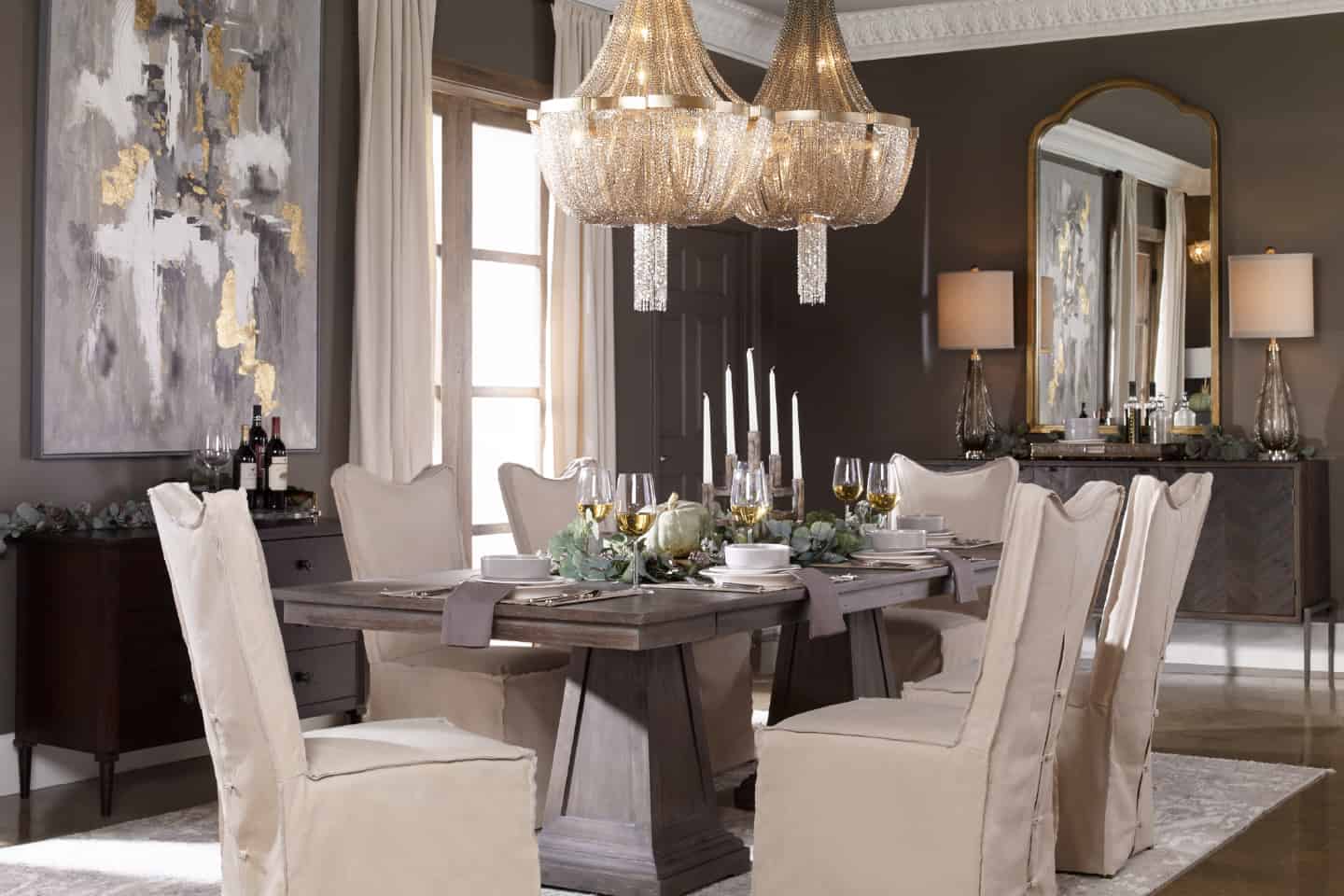
A perfect marriage of traditional and contemporary design, the transitional style takes on a bold, sophisticated look while maintaining a classic feel.
Explore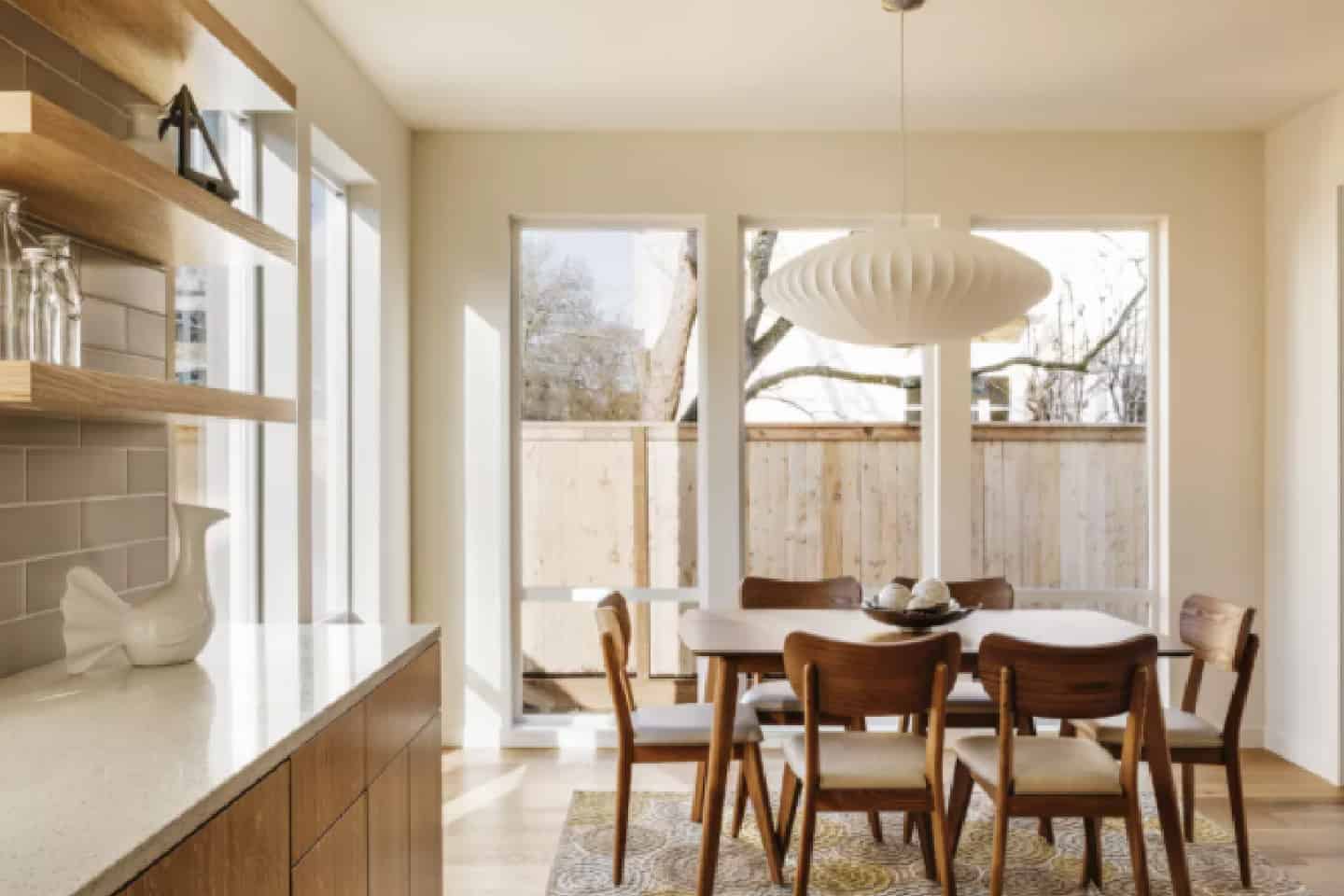
Born out of postwar architecture between the late 1940s and mid 1960s, mid-century modern interior design still holds up because it never overdesigned anything. Every piece had a job: a chair was built to be sat in, a cabinet to be used daily, a window to bring in real light. That focus on function, paired with warm wood and clean lines, is why the mid-century modern style keeps getting picked up by new homeowners instead of fading into a retro throwback category.
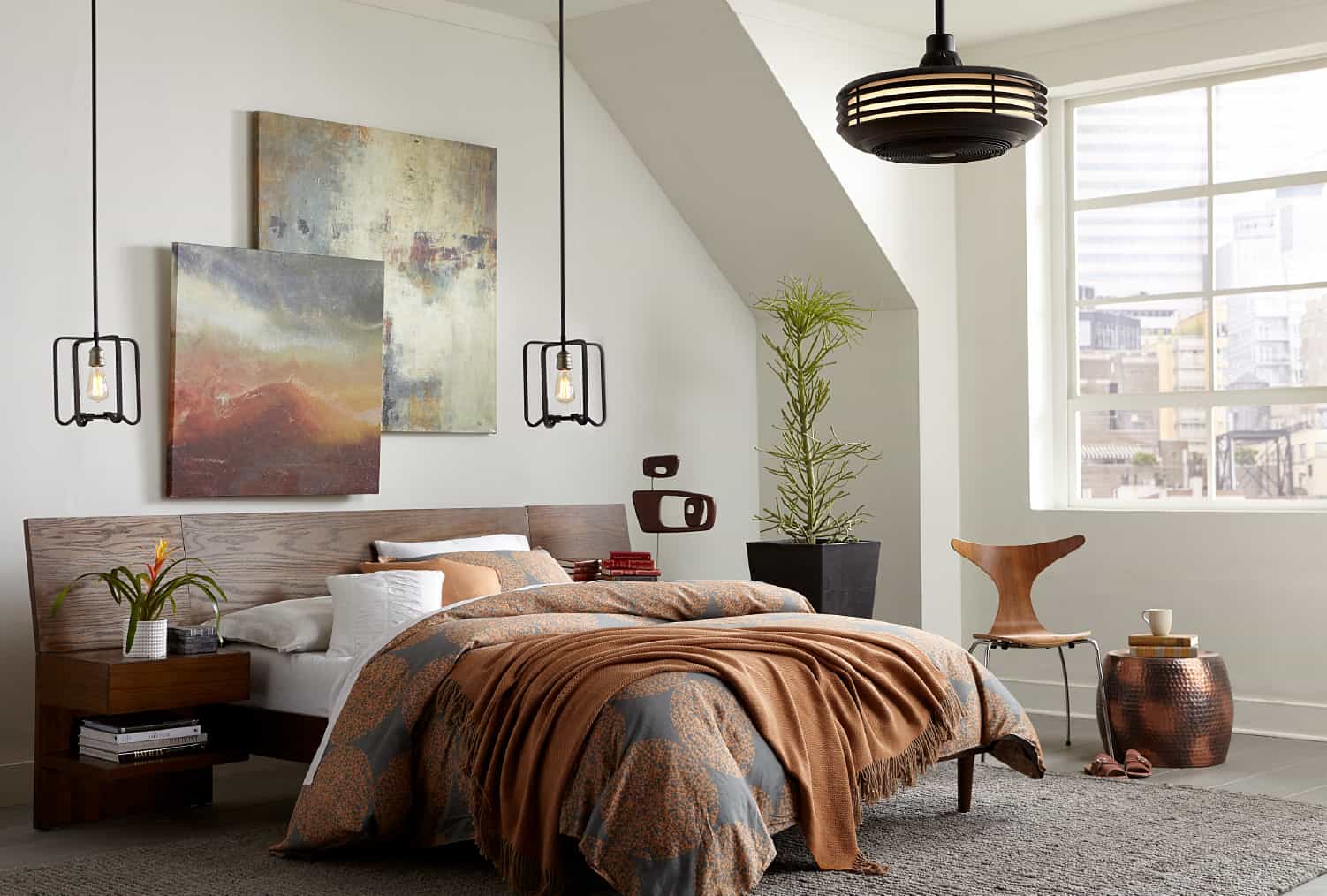
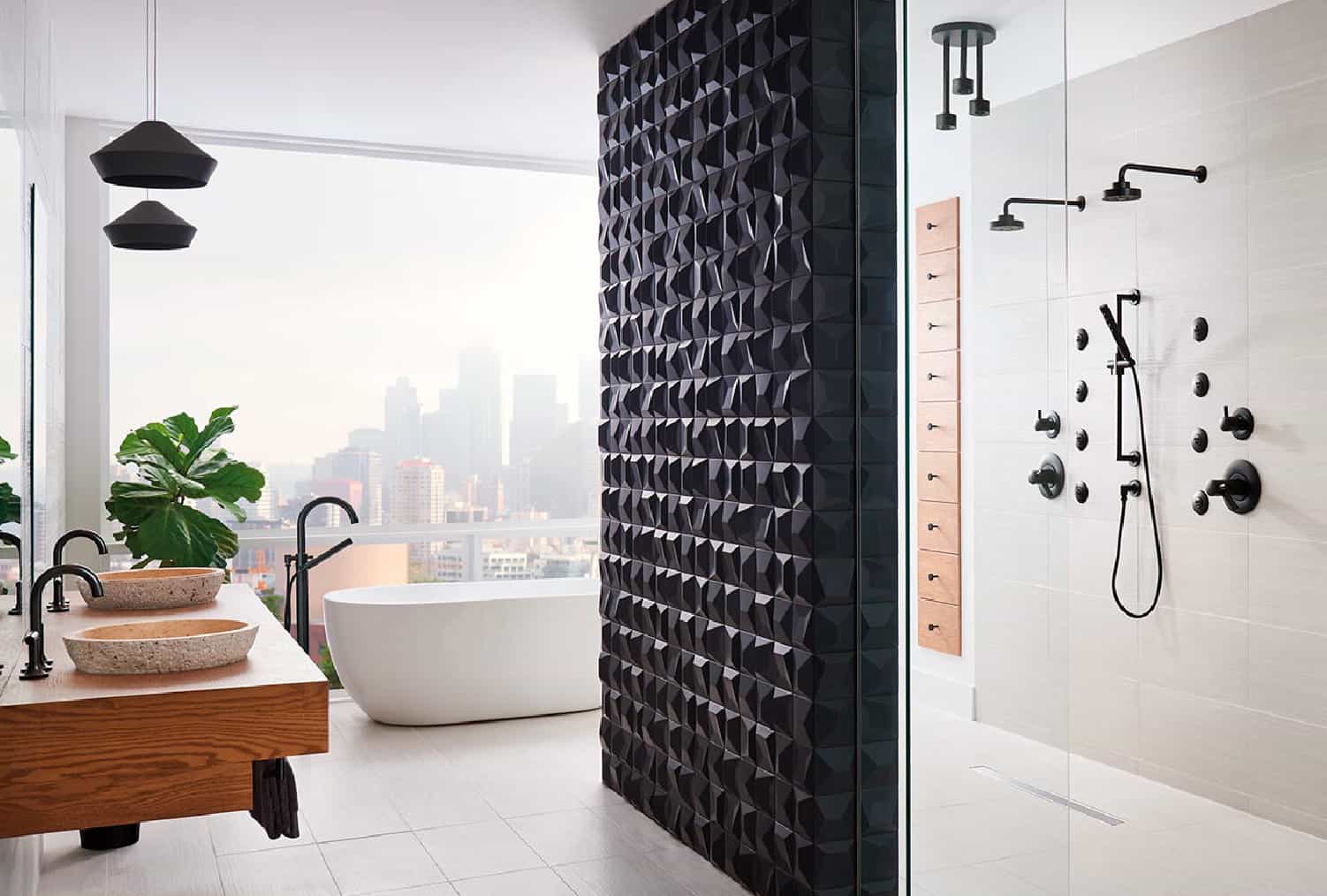
The mid-century interior design style leans on geometry and restraint. Straight lines, tapered legs, and open floor plans replace anything ornamental, and natural materials, walnut, teak, oak, do most of the visual work instead of pattern or trim.
What keeps a mid-century modern house interior from feeling like a museum piece is color. A neutral wood and white base gets one or two deliberate pops, olive green, mustard, burnt orange, dropped in through a single chair, tile run, or light fixture rather than spread across the whole room. That restraint is the actual signature of the style, more than any single piece of furniture.
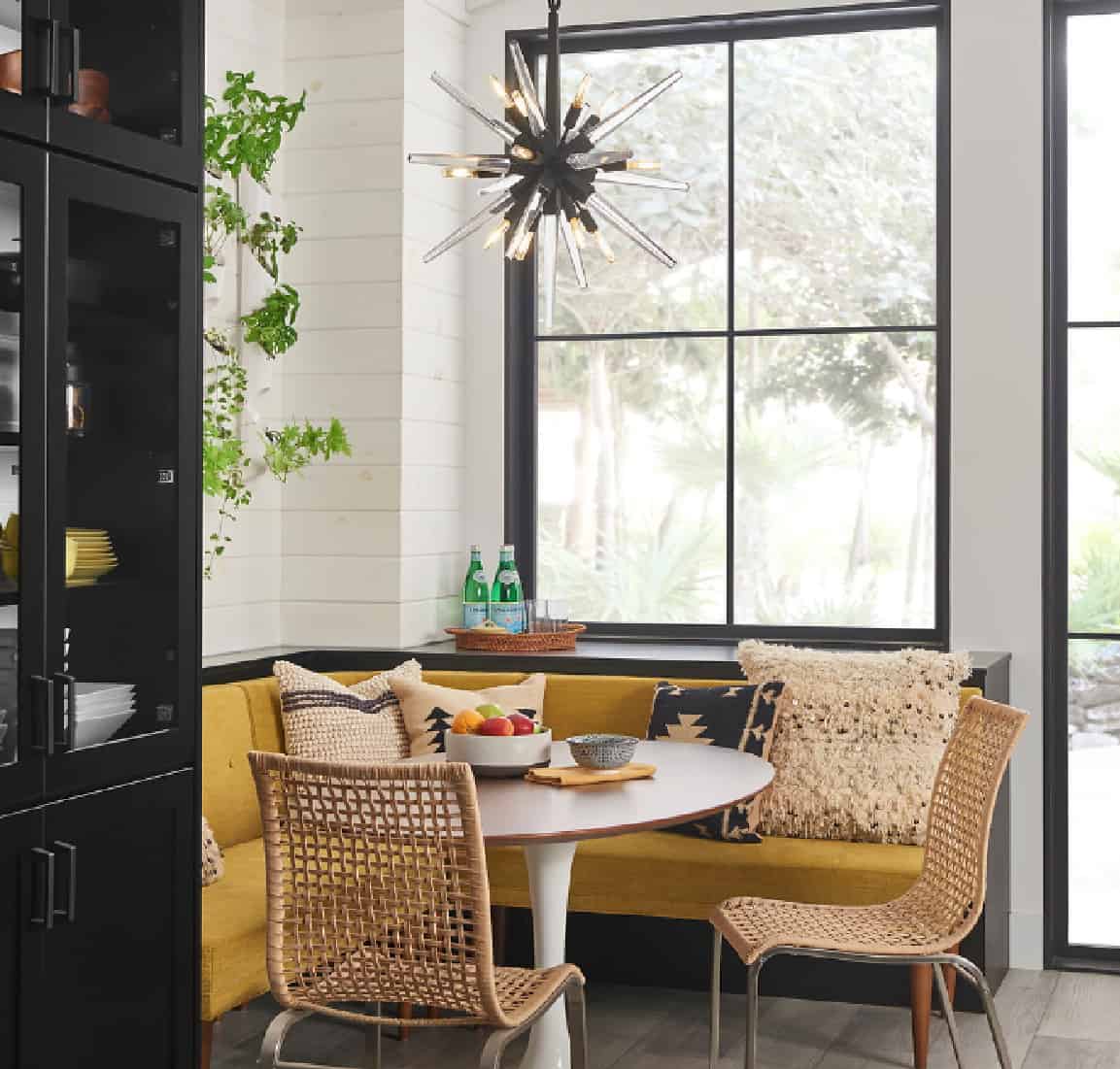
What makes a mid-century modern furniture style piece hold up isn’t the shape; it’s the joinery. A slatted wood credenza, a Danish dining chair, an angular cocktail table, these were built by people who assumed the piece would get used daily for decades, so the construction had to earn its keep as much as the silhouette did.
That’s the real difference between this style and a lot of vintage-inspired furniture on the market now. A reproduction piece can copy the tapered leg and the walnut finish, but it usually skips the solid joinery underneath. If you’re shopping secondhand or vintage, check the joints before the finish. A well-built mid-century piece should feel heavier and more solid than its size suggests, and that weight is part of what makes a room feel grounded instead of staged.
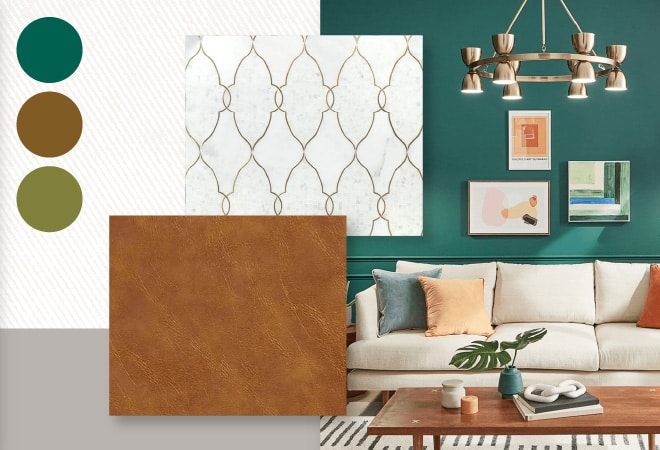
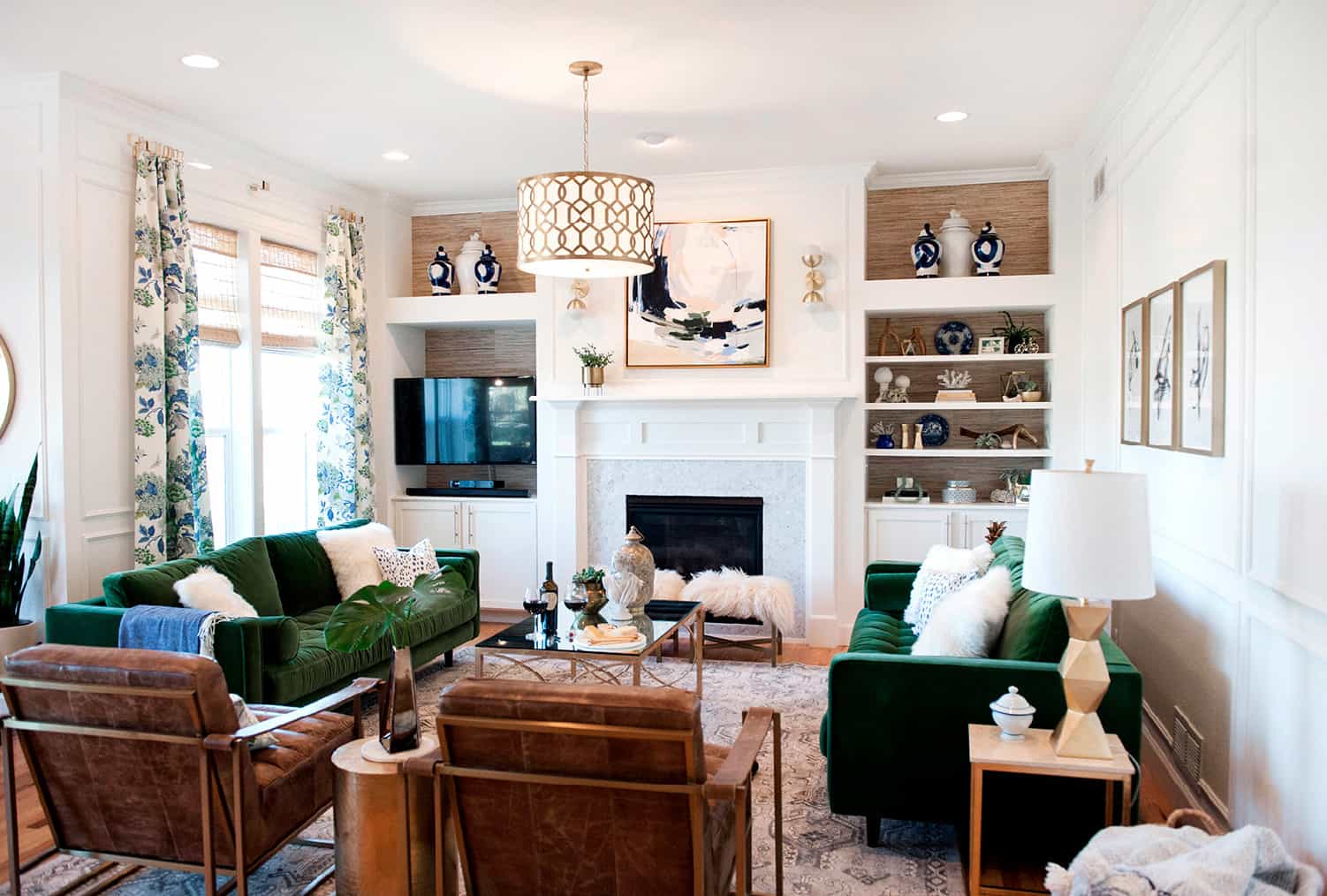
A perfect marriage of traditional and contemporary design, the transitional style takes on a bold, sophisticated look while maintaining a classic feel.
ExploreRich with history and forever in style, the traditional look celebrates the best in design — making your home feel warm, inviting and friendly.
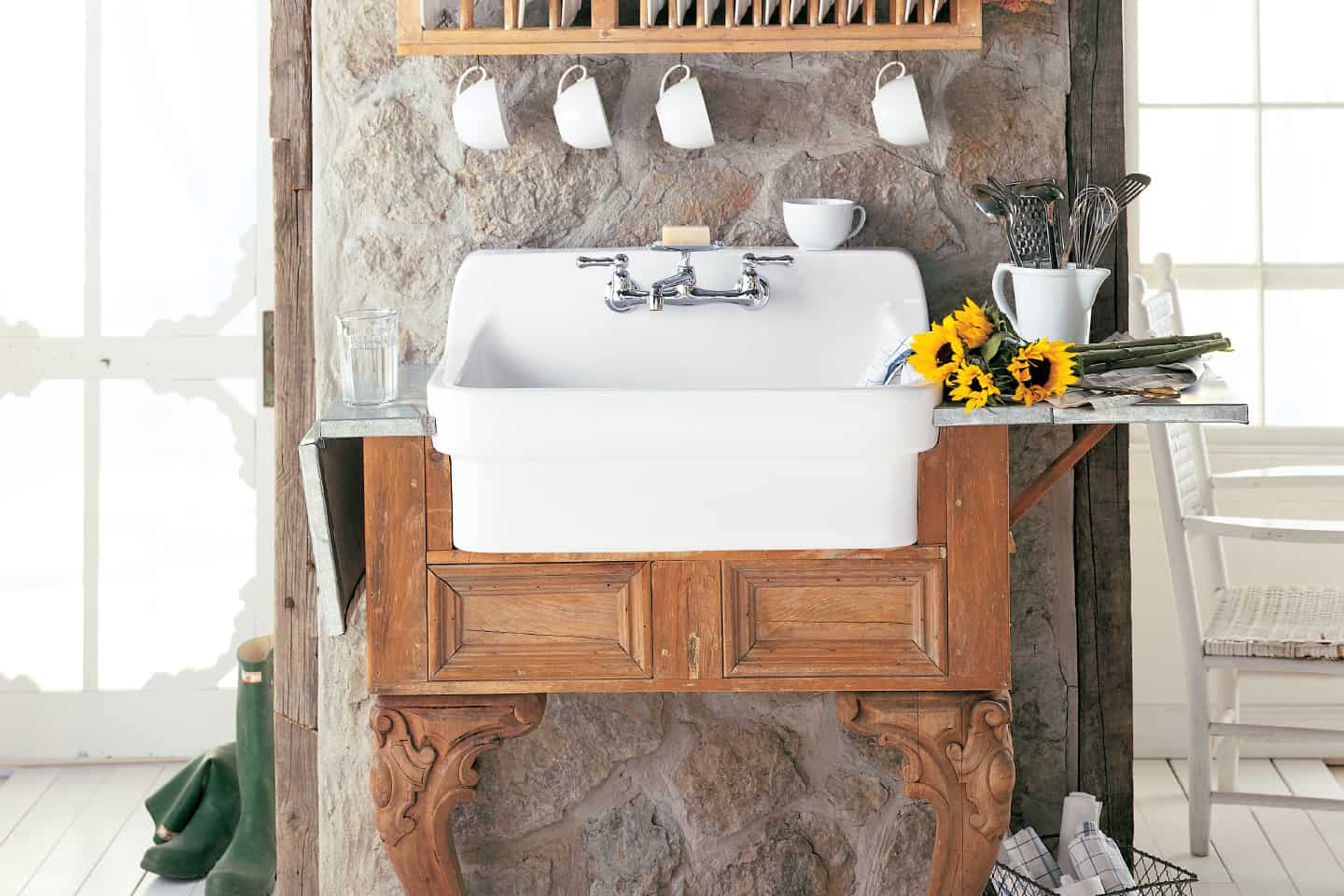
ExploreA balanced blend of rustic charm and refined character, the modern farmhouse look makes any home feel comfortable, cozy and classic.
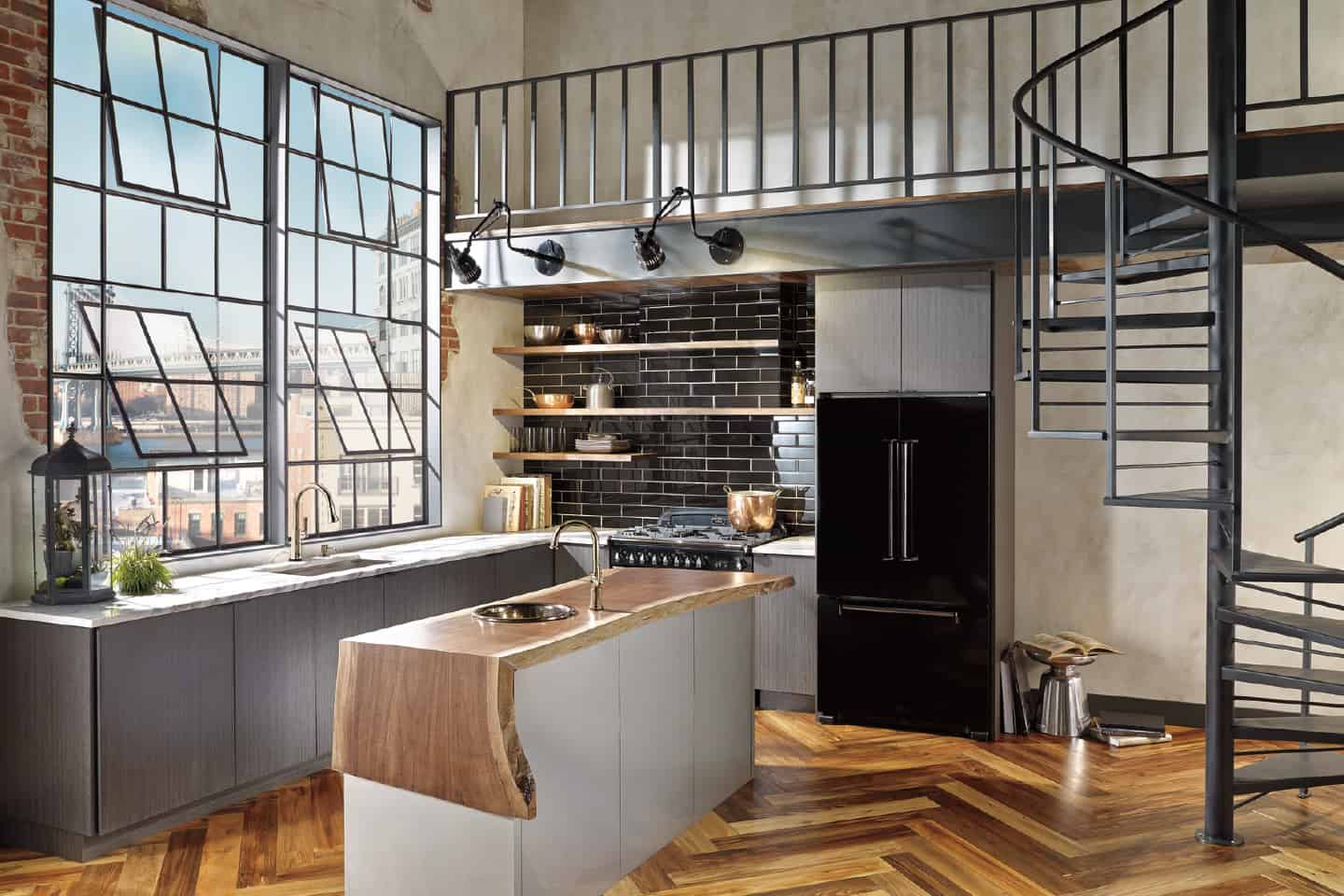
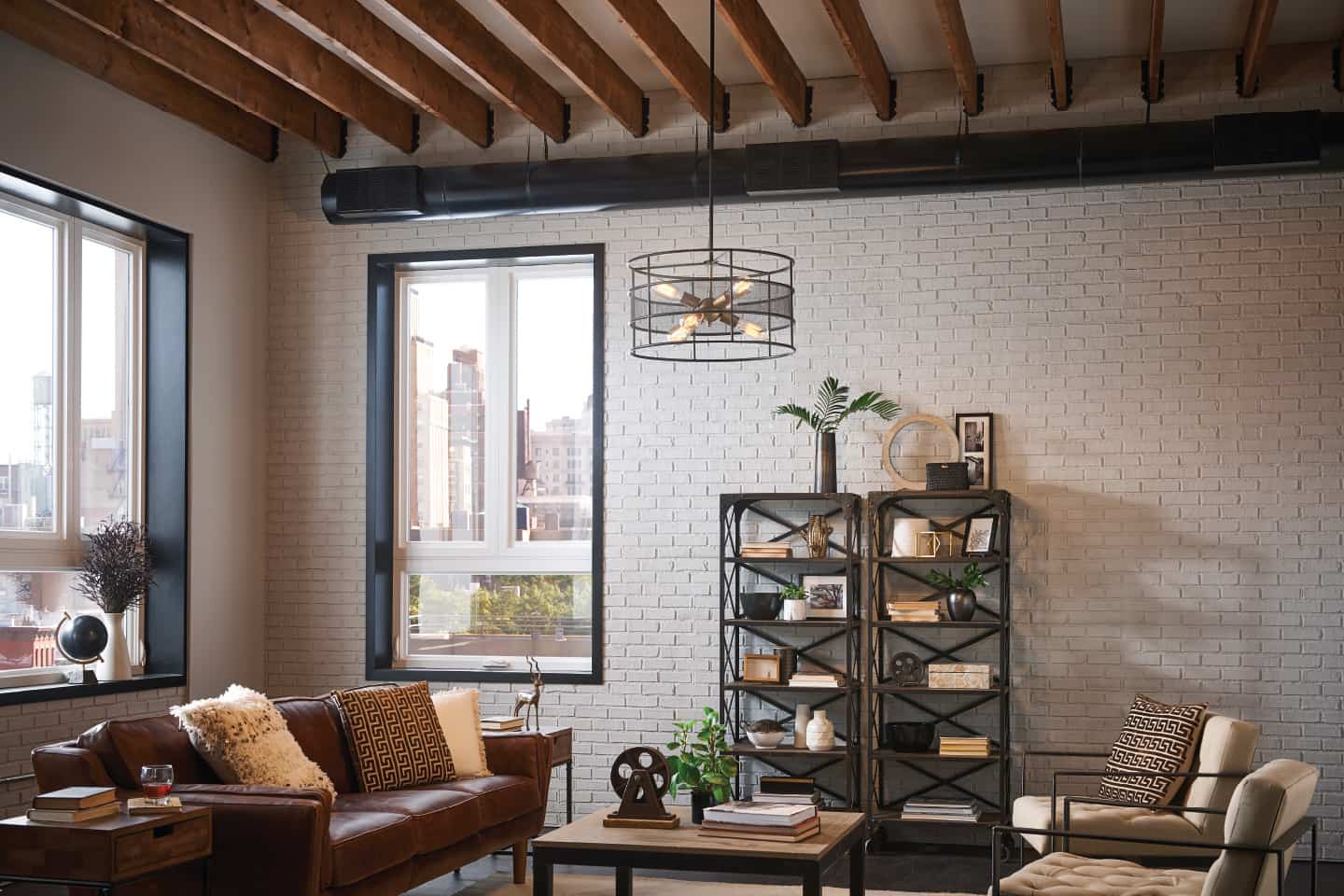
ExploreIndustrial design brings vintage to the modern day, with wood, concrete, exposed bricks & metal as the defining characteristics of this minimalist style.
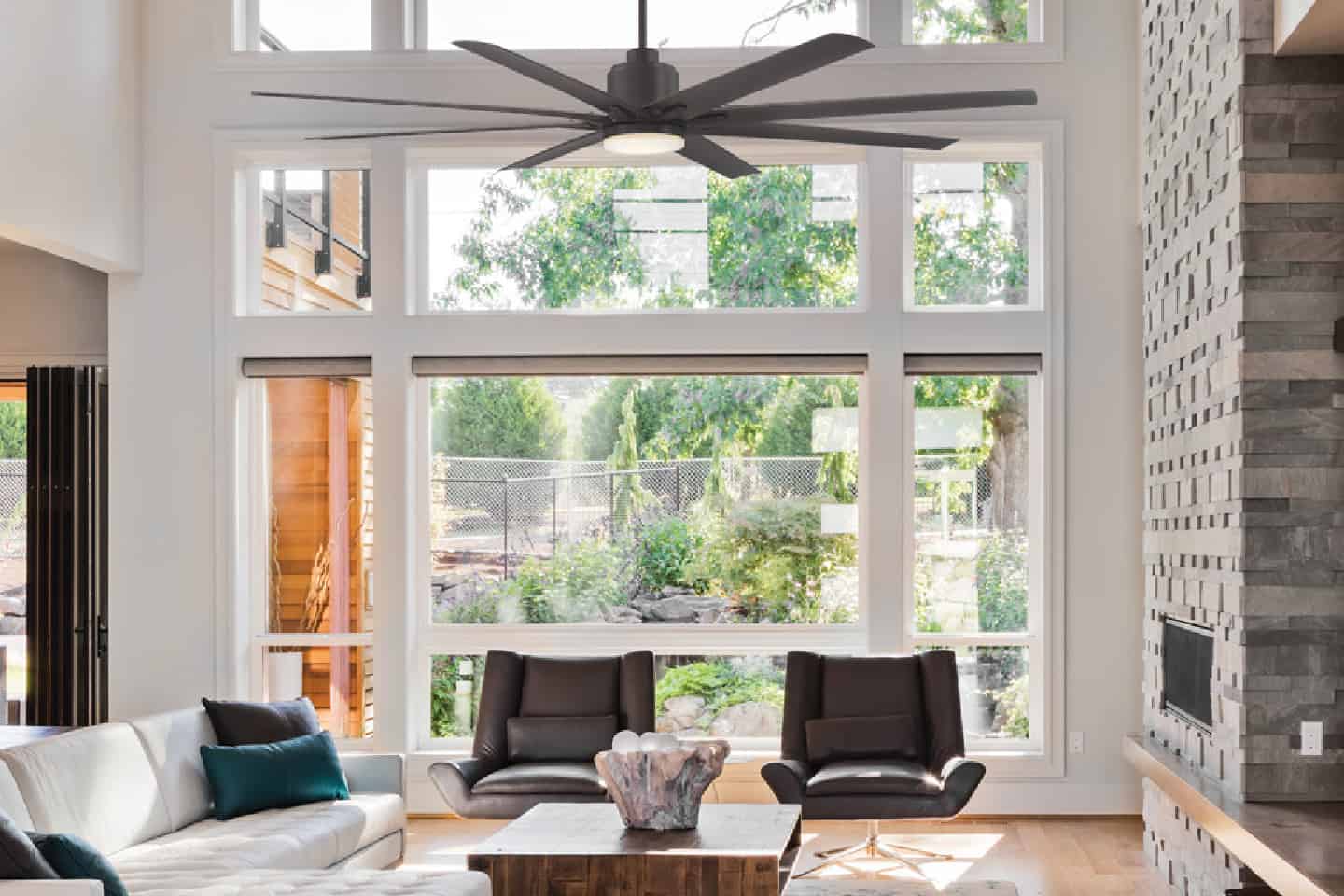
ExploreBorrowing elements from modern, traditional and art deco movements, the contemporary look is versatile and always in style.
ExploreVisit a Showroom
Mid-century modern design endures because it prioritizes simple, functional living without sacrificing warmth. From iconic architectural lines and rich walnut vanities to bold, sculptural light fixtures, the right details will transform your space into a timeless sanctuary.
Layer Into Fall
This fall, it’s all about the layers. Explore a curated mix of finishes, textures and details designed to help you create spaces that feel collected, comfortable and completely your own.
VIEW THE LOOKBOOK
Postwar homes put their best design into living rooms, but the same thinking applies to the rooms with plumbing. A mid-century modern bathroom or kitchen remodel comes together through a short list of decisions: the vanity and cabinet fronts, the tile, the faucet shapes, and the light fixtures that sit closest to the work surfaces. Each one should look simple, built to last, and a little warmer than a strictly modern room.
A mid-century modern bathroom vanity usually takes one of two forms: a wood cabinet raised on slim tapered legs or a wall-mounted, credenza-style piece with long drawers. Both keep floor visible, which makes the room feel larger. Slab drawer fronts with the grain running continuously across them read as authentic, and integrated finger pulls or a single slim pull per drawer keep the front clean. Walnut is the usual choice, but any wood vanity in a bathroom needs a sealed, moisture-resistant finish and a working exhaust fan to stay stable. Top it with a simple undermount basin or a low, round vessel sink.
Original mid-century bathroom tile was often colored: pink, mint green, powder blue, and butter yellow were all common. Today the most convincing approach uses color in one place, such as a shower wall or a wainscot band, and keeps the rest neutral. Mid-century modern tile shapes do as much work as color. Penny rounds, small hexagons, and narrow rectangles stacked vertically all fit the period, and terrazzo, or a terrazzo-look porcelain, suits floors. A grout color close to the tile keeps the pattern calm instead of gridded, and running wall tile to one consistent height lets the color band read as part of the architecture.
A mid-century modern faucet favors a smooth spout, a single lever or two simple handles, and proportions that look slightly low and wide rather than tall. Avoid heavily detailed cross handles or ornate bases, which belong to traditional rooms. Grohe, featured below, makes faucets with the restrained, rounded profiles this style calls for. For finish, brushed gold and matte black both sit well against walnut and colored tile.
In a mid-century modern shower, a steam system adds daily function without adding visual clutter, which suits a style built on useful, uncluttered rooms. Mr. Steam, also featured below, makes the generators that power a steam shower. The enclosure has to be built for steam: glass that runs to the ceiling, a vapor-tight door, a sloped ceiling so condensation runs down the walls instead of dripping, and a dedicated electrical circuit for the generator. The generator itself usually sits in a nearby closet or vanity cabinet, so plan that space before cabinets are ordered. A built-in bench and a steam head placed away from where you sit make the space comfortable to use.
Mid-century modern kitchen cabinets work best as flat slab doors in walnut or teak veneer, often with the grain running horizontally across a full run of drawers. A two-tone layout, wood lower cabinets with white or softly colored uppers, keeps a smaller kitchen from feeling heavy. For mid-century modern cabinet hardware, choose slim brass bar pulls, small round knobs, or recessed finger pulls cut into the door edge. Keep pulls horizontal on drawers and vertical on tall doors so the cabinet faces stay orderly. JVJ Hardware carries kitchen and bath hardware that can match the faucet finish.
A starburst fixture sets the tone in a living area, but mid-century modern lighting in kitchens and baths also has to work hard. Over an island, a mid-century modern pendant light with an opal glass globe gives soft, even light, while metal cone or bell shades direct more light onto the counter. In the bath, globe sconces or a mid-century modern vanity light with round opal shades flatter faces without glare, which makes them a strong choice for mid-century modern bathroom lighting. ELK Lighting, featured below, along with Kichler and Progress Lighting, offers fixtures in these shapes.
Elkay, the remaining featured brand, makes stainless kitchen sinks that pair well with walnut cabinets and brass hardware. Before you visit to plan a mid-century modern kitchen remodel or bath update, gather the wood species you want, your preferred metal finish, and photos of any original tile or fixtures you plan to keep. If you are keeping original colored tile, bring a loose piece or a close-up photo so new fixtures can be matched to it. Take the Style Finder quiz, find your nearest location, and book an appointment to compare vanities, faucets, and globe lighting side by side with a design consultant.
Natural wood cabinets, a flat undermount sink line, and a faucet in a warm brass or gold finish rather than chrome. Slab doors and slim pulls keep the cabinet faces as quiet as the rest of the room.
A warm neutral base with one or two earthy accents (olive green, mustard, burnt orange, or deep teal), used deliberately rather than spread throughout the room.
Start with one strong fixture, such as a starburst or Sputnik pendant, then layer in warm accent lamps rather than relying on overhead light alone. The Sputnik takes its name from the Soviet satellite launched in 1957, whose sphere and radiating antennas the fixture echoes.
Pick your primary wood species first (walnut is the most common), then lock in one metal finish and carry it through every room before choosing furniture or tile.
At Coburn’s Showroom locations across Louisiana and Texas, including Abita Springs, Alexandria, Baton Rouge, Bayou Vista, and Beaumont. Book an appointment and a design consultant can pull Grohe faucets, ELK Lighting fixtures, and Mr. Steam options for your project.
Original sinks are often worth keeping if the glaze is intact. Original toilets usually aren’t: many pre-1994 models use 3.5 gallons or more per flush, while current federal standards cap new toilets at 1.6 gallons, and Texas requires 1.28.
Both favor wood, clean lines, and function. Mid-century modern uses darker woods like walnut and teak with color accents, while Scandinavian design leans on pale woods, white walls, and soft textiles.
No. Retro borrows broadly from past decades, including bold diner-style looks. Mid-century modern is a specific, restrained style from the late 1940s to mid-1960s, defined by function, natural wood, and limited color.
Art Deco, from the 1920s to 1940s, is glamorous, with high-gloss finishes, mirrored surfaces, and ornate geometric patterns. Mid-century modern followed it with a simpler, more practical look built on wood and open plans.
Restore it if the tile is firmly attached and the wall behind it is sound; regrouting and cleaning can revive it. Replace it if tiles are loose, cracked, or hiding water damage.
Yes. The style depends more on materials and proportions than on original architecture, so wood cabinetry, simple fixtures, and globe lighting carry it in any floor plan.
Yes. The style was designed for compact postwar houses, and raised legs, low-profile furniture, and open sightlines all help small rooms feel larger.
Teak’s natural oils make it more water-resistant, which suits a bathroom well. Walnut gives a richer, darker tone but needs a well-sealed finish and good ventilation.
Wood floors in oak or walnut, terrazzo, and cork were all used in the era. Terrazzo-look porcelain tile is a practical alternative for kitchens and bathrooms.
Colored sinks, tubs, and toilets in pink, mint green, powder blue, and yellow were common. Today, most homeowners pair white fixtures with colored tile, which is easier to match and replace.