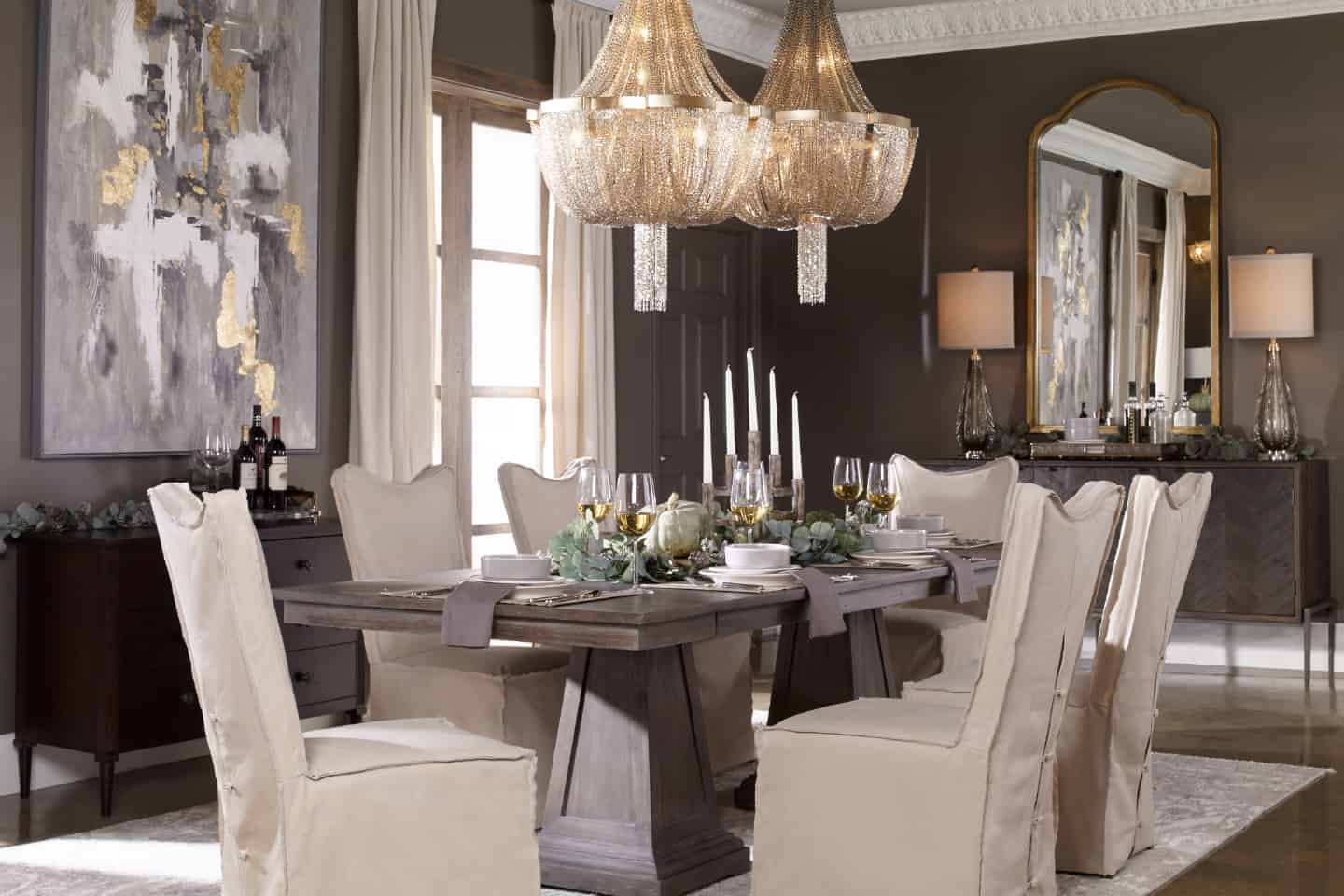
Transitional
A perfect marriage of traditional and contemporary design, the transitional style takes on a bold, sophisticated look while maintaining a classic feel.
Explore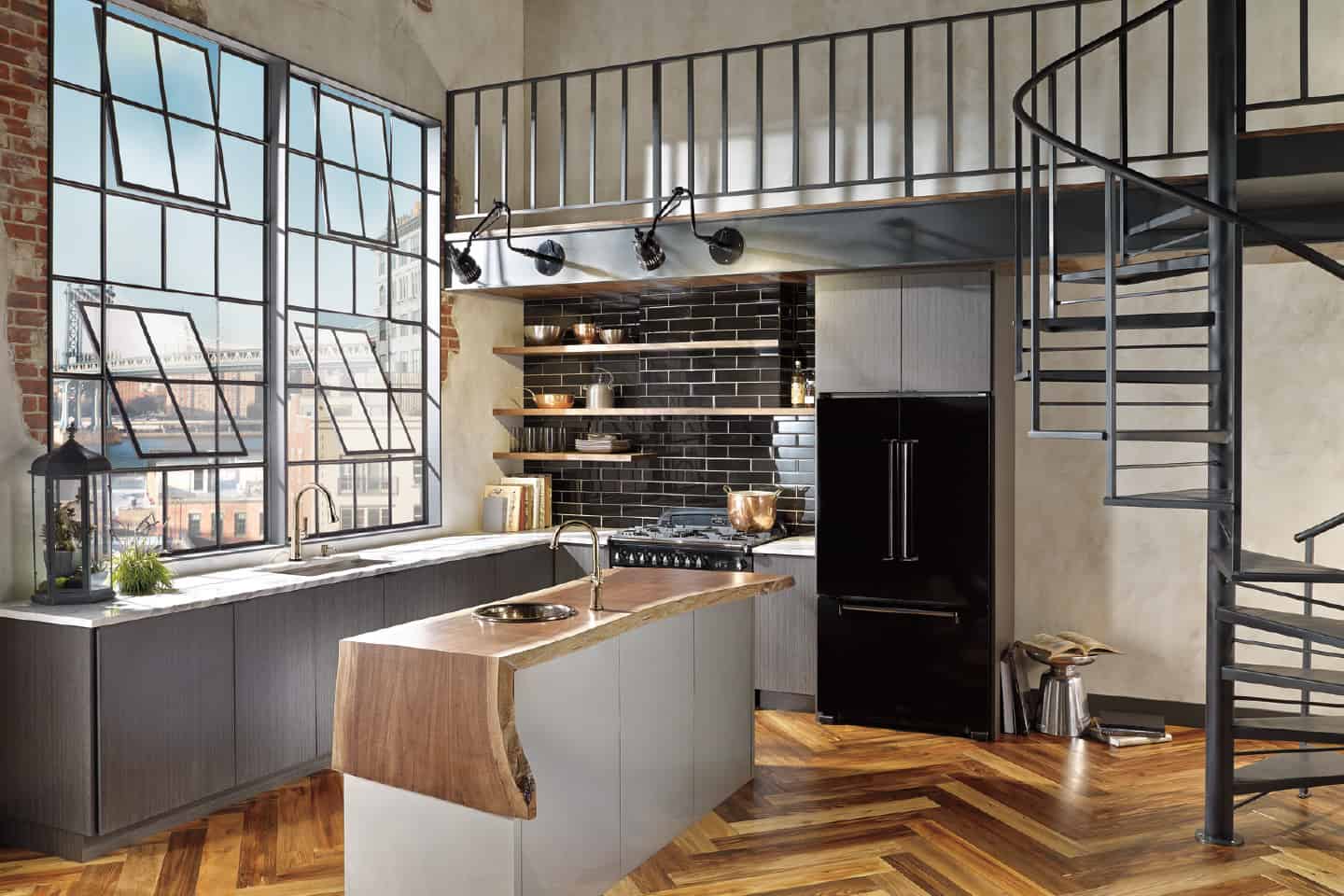
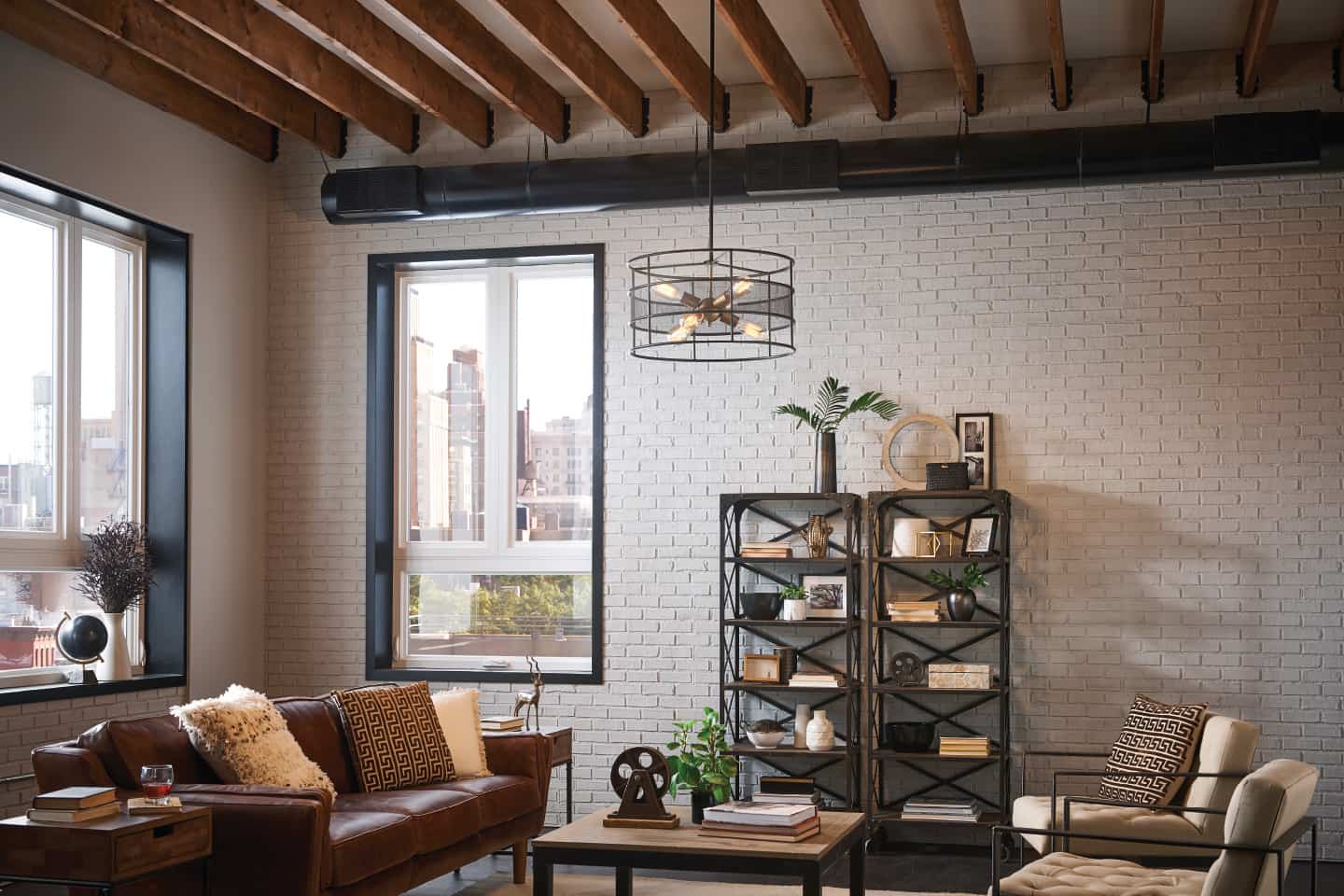
Industrial style brings the raw energy of converted warehouses and heritage factories into residential spaces. Rooted in structural honesty, this aesthetic strips away unnecessary ornamentation to showcase bare architectural features: weathered wood, concrete, exposed metal pipes, and brick. Rather than feeling cold, industrial spaces balance clean lines with tactile, weathered materials to create an unpretentious, high-impact atmosphere.


At its core, industrial interior design celebrates functional craftsmanship. Instead of concealing a room’s underlying structure, it highlights elements like steel support beams, exposed ductwork, and sealed cement floors as decorative assets.
Key principles of industrial design include:

Contemporary industrial style pivots away from sterile warehouse tropes to embrace refined craftsmanship, rich warmth, and intentional function. Clean architectural lines and grounded neutral palettes establish a sophisticated base, broken up by deep terracotta, olive, or cognac leather tones rather than random color hits.
Every furniture piece balances sculptural presence with heavy-duty utility:
A perfect marriage of traditional and contemporary design, the transitional style takes on a bold, sophisticated look while maintaining a classic feel.
ExploreRich with history and forever in style, the traditional look celebrates the best in design — making your home feel warm, inviting and friendly.
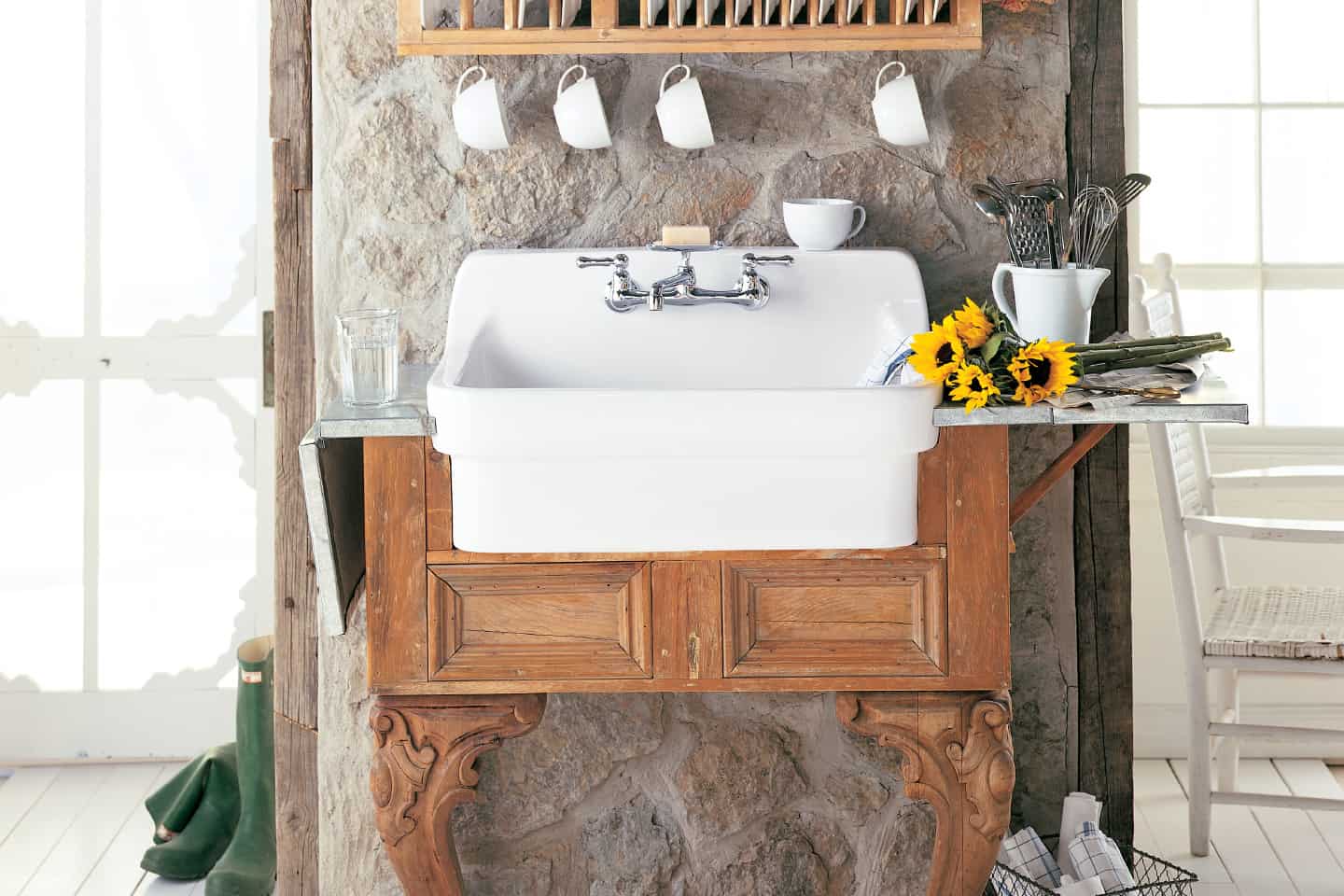
ExploreA balanced blend of rustic charm and refined character, the modern farmhouse look makes any home feel comfortable, cozy and classic.
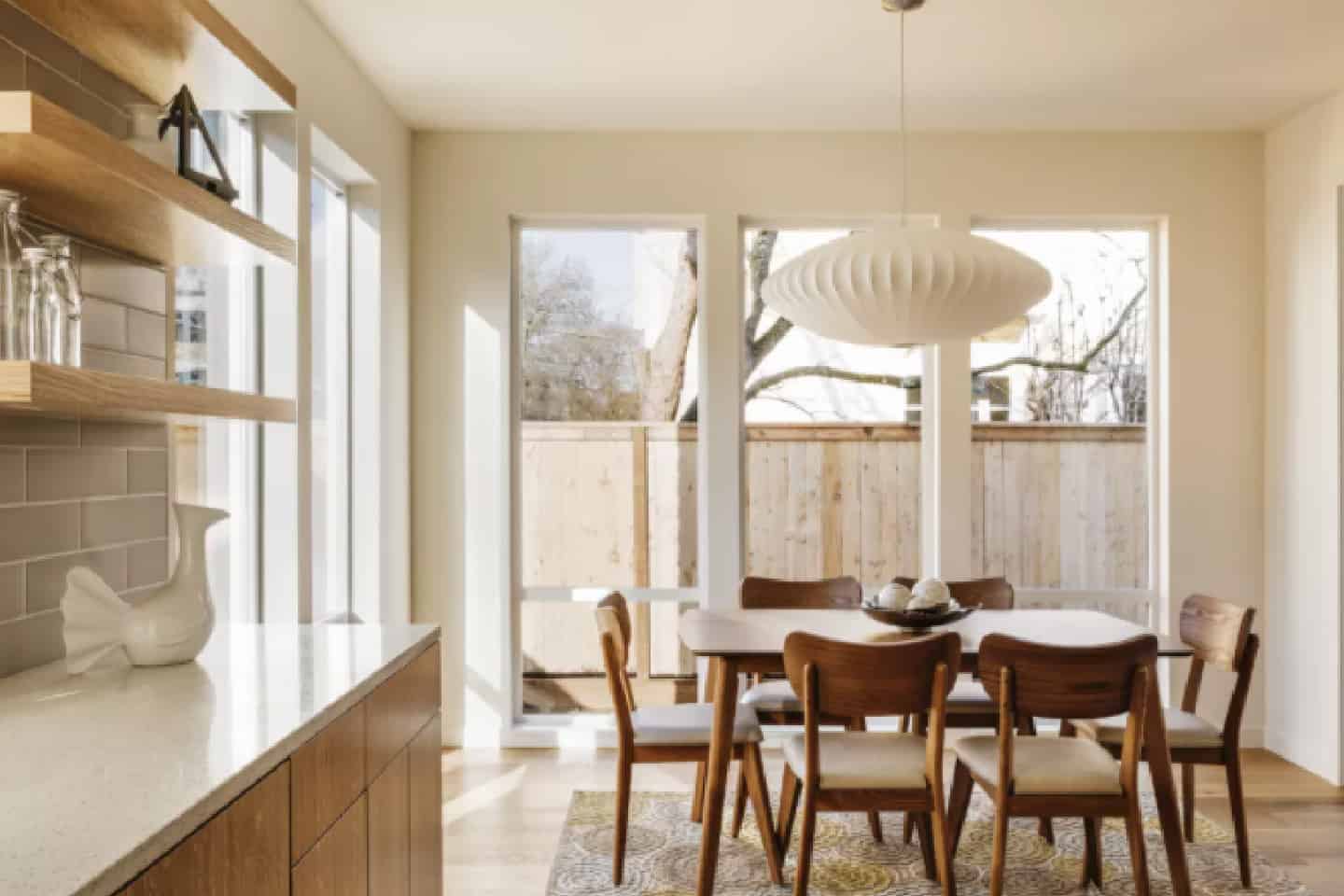
Explore60’s chic meets modern minimalism with this retro style. Learn more about mid-century modern design & how to incorporate it into your home.
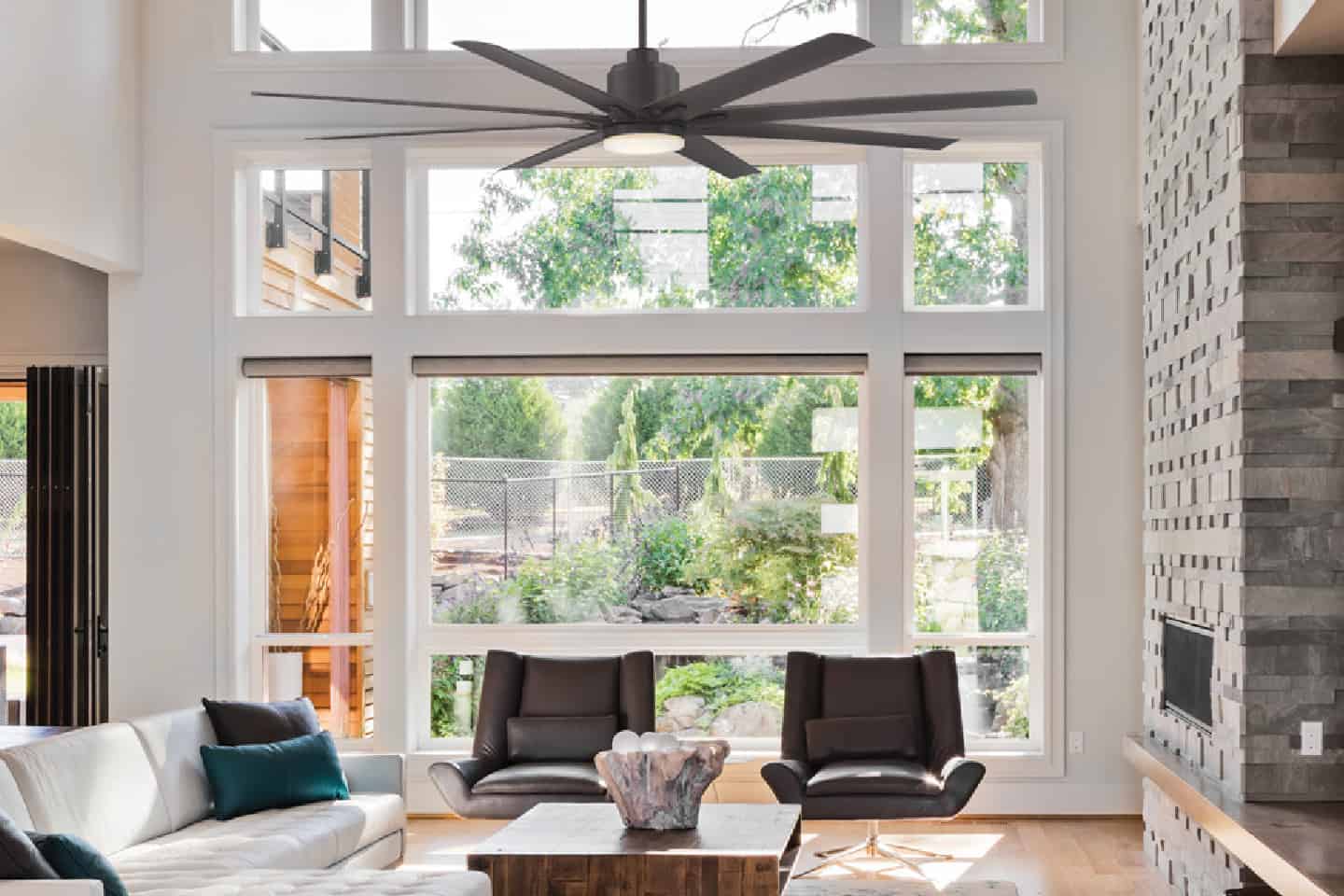
ExploreBorrowing elements from modern, traditional and art deco movements, the contemporary look is versatile and always in style.
ExploreVisit a Showroom
Creating a refined industrial space relies on selecting durable materials and well-crafted fixtures. Our design consultants can help you compare metal finishes, tactile hardware options, and high-performance plumbing in person so you can choose fixtures that elevate your space.
Take the Style Finder Quiz | Shop Online at Coburns.com | Find Your Nearest Coburn’s Location
Layer Into Fall
This fall, it’s all about the layers. Explore a curated mix of finishes, textures and details designed to help you create spaces that feel collected, comfortable and completely your own.
VIEW THE LOOKBOOK
The overview above covers the materials and furniture that define the look. Kitchens and bathrooms are where industrial interior design meets plumbing and lighting, and those selections decide whether a room reads as a working loft or a themed set. The rule is simple: choose pieces that look built for use, with visible mechanics and finishes that age honestly.
An industrial kitchen faucet borrows its form from restaurant kitchens. Spring-spout models with a coiled hose and a pre-rinse sprayer suit deep sinks where large pots need rinsing. A tall gooseneck with separate lever handles fits better under a window, where a spring coil would block the view. In either case, look for visible joints and connections rather than a smooth, fully shrouded body. Pull-down models with a braided metal hose also fit, since the hose stays visible. Brizo and Gerber, both featured below, offer kitchen faucets worth comparing for this look.
A deep single-bowl stainless steel sink is the natural partner for a commercial-style faucet. It matches the restaurant-kitchen reference and takes heavy use without chipping. Elkay makes stainless sinks in this format, including workstation models with a built-in ledge for cutting boards and colanders, which extends the utility theme. Concrete and soapstone sinks are the other industrial options; both suit the look, but concrete is porous and needs periodic sealing to resist stains.
Industrial style lighting relies on visible construction: metal dome shades, wire cages, exposed bulbs, and fixtures hung from chain or cloth-wrapped cord. Over an island, a row of matching industrial pendant lights with metal domes reads as warehouse-inspired without feeling like a theme. In an open plan, two larger shades often look cleaner than four small ones and keep sightlines clear. Caged glass globes give a softer version of the same idea. For long counters or open ceilings, rail or track lighting continues the exposed-structure look while aiming light where it’s needed. Warm-white bulbs keep brick, concrete, and dark metal from looking stark after dark. Kichler and Progress Lighting both carry pendants and sconces in this style.
An industrial bathroom vanity often sits on an open frame: steel legs or a pipe-style base holding a wood or concrete-look top, with an open shelf below for towels. Because the drain and supply lines stay on view under an open vanity, choose them in a finished metal rather than standard white plastic. A wide trough sink with two faucets suits a shared bath and echoes factory washrooms. Hydro Systems makes bathtubs for the room, and Gerber covers toilets and faucets, so the main fixtures can share one finish family. JVJ Hardware carries bath accessories to coordinate towel bars and hooks with the rest.
For industrial bathroom lighting, cage or metal-shade sconces on either side of the mirror light the face evenly. Any fixture inside or near the shower must carry a damp or wet location rating.
An exposed pipe shower puts the riser, valve, and showerhead arm on the wall surface instead of hiding them behind tile. The visible plumbing becomes the design feature, which is why the look fits this style so naturally. Many systems add a handshower on a slide bar to the same riser. Because more of the system sits on the wall, a retrofit can require less opening of finished tile, though supply lines still have to reach the valve. Choose a riser finish that matches the sink faucet so the room’s metalwork reads as one installation.
Industrial rooms handle mixed metals better than most styles, since salvaged and factory pieces rarely matched in the first place. Matte black suits faucets and lighting, while unlacquered brass and copper develop a darker patina with use, which many homeowners choose on purpose. To keep a mix intentional, hold one finish per category: every faucet in one metal, every light fixture in another. Brushed stainless and nickel work as quiet anchors between warmer metals.
Concrete counters, sinks, and floors need sealing on a regular schedule. Stainless steel picks up fine scratches that blend into a satin wear pattern over time, which suits the style. Exposed supply lines and pipe-style vanity bases need finished components in a matching metal, so plan the routing with your contractor before purchase; installation stays with your contractor. Bring photos of any brick, concrete, or metal already in the room, since existing surfaces narrow which finishes will work. Take the Style Finder quiz, find your nearest location, and book an appointment to see a spring faucet, a cage pendant, and a pipe-style vanity side by side.
At Coburn’s Showroom locations across Louisiana and Texas, including Abita Springs, Alexandria, Baton Rouge, Bayou Vista, and Beaumont. Book an appointment and a design consultant can pull Brizo, Gerber, and Kichler options for your project.
Yes. Matte black or stainless faucets, metal-shade pendants, and metal-frame vanities are all available as standard products. Custom fabrication is only needed for one-off pieces such as a welded steel hood or shelving.
Both use wood and metal, but modern farmhouse is light and soft, built on white walls, shiplap, and apron sinks. Industrial is darker and rawer, built on concrete, brick, and exposed metal.
Contemporary hides structure behind smooth surfaces and keeps one consistent finish. Industrial puts structure on display, from beams to pipes, and welcomes mixed metals that age over time.
Rustic industrial leans on reclaimed wood, distressed finishes, and salvaged pieces. Modern industrial uses cleaner lines, fewer vintage items, and sleeker fixtures in matte black and concrete.
Add texture with thin brick veneer, concrete-look porcelain tile, or a limewash or plaster wall. Fixtures and lighting can also carry the style on their own, since a spring faucet and metal pendants read industrial in any room.
Yes, with attention to scale. Use slim metal shelving, one or two pendants instead of a cluster, and light walls with dark accents rather than dark finishes everywhere.
Real concrete gives natural variation but needs sealing and can develop hairline cracks. Concrete-look porcelain tile resists water and stains, which makes it the more practical choice for bathrooms.
Yes, for dishes and glasses you use daily, since they rotate before dust settles. Place them near the sink rather than the range, where grease collects, and use steel brackets rated for the load.
Concrete, soapstone, butcher block, and stainless steel all fit. Stainless steel and soapstone tolerate heat well, butcher block needs regular oiling, and concrete needs periodic sealing.
No, but a pro-style range with visible knobs and a stainless body reinforces the commercial-kitchen reference. Thermador makes ranges in this style.
Dark-stained wood, charcoal, black, and deep olive all suit the style. Flat or slab doors with metal hardware keep the look utilitarian rather than rustic.
Cup or bin pulls, knurled bar pulls, and handles with visible fasteners in matte black, iron, or raw steel finishes. Hardware that looks functional rather than decorative fits best.
They’re mainly decorative and give less light than standard bulbs. Use them in pendants and sconces, and pair them with recessed or track lighting for tasks; LED filament versions keep the look while using less energy.
Yes. Use porcelain instead of raw concrete in wet zones, choose metal frames with rounded edges, and add wall-mounted storage so durable surfaces stay easy to clean.