


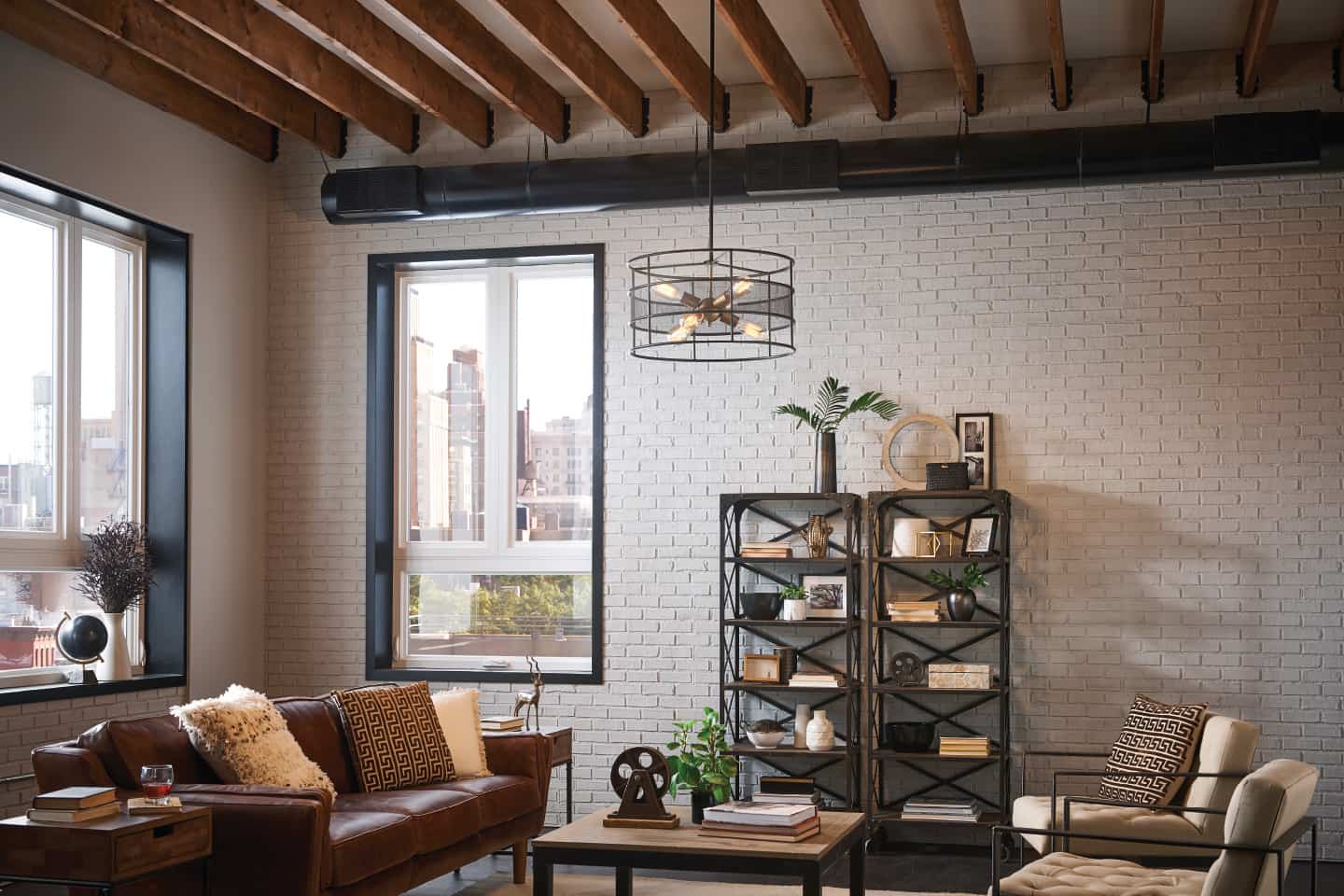
Transitional
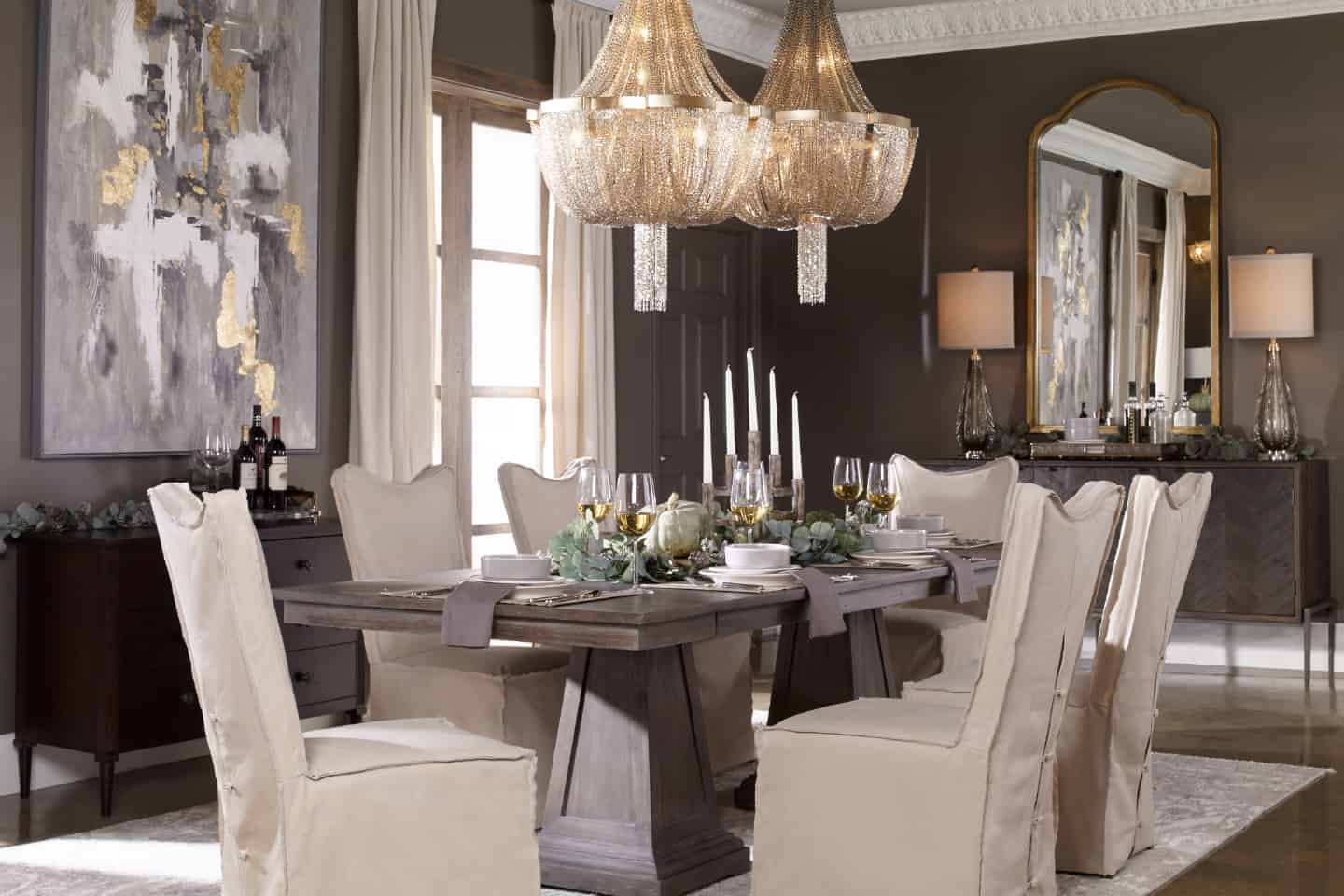
A perfect marriage of traditional and contemporary design, the transitional style takes on a bold, sophisticated look while maintaining a classic feel.
Explore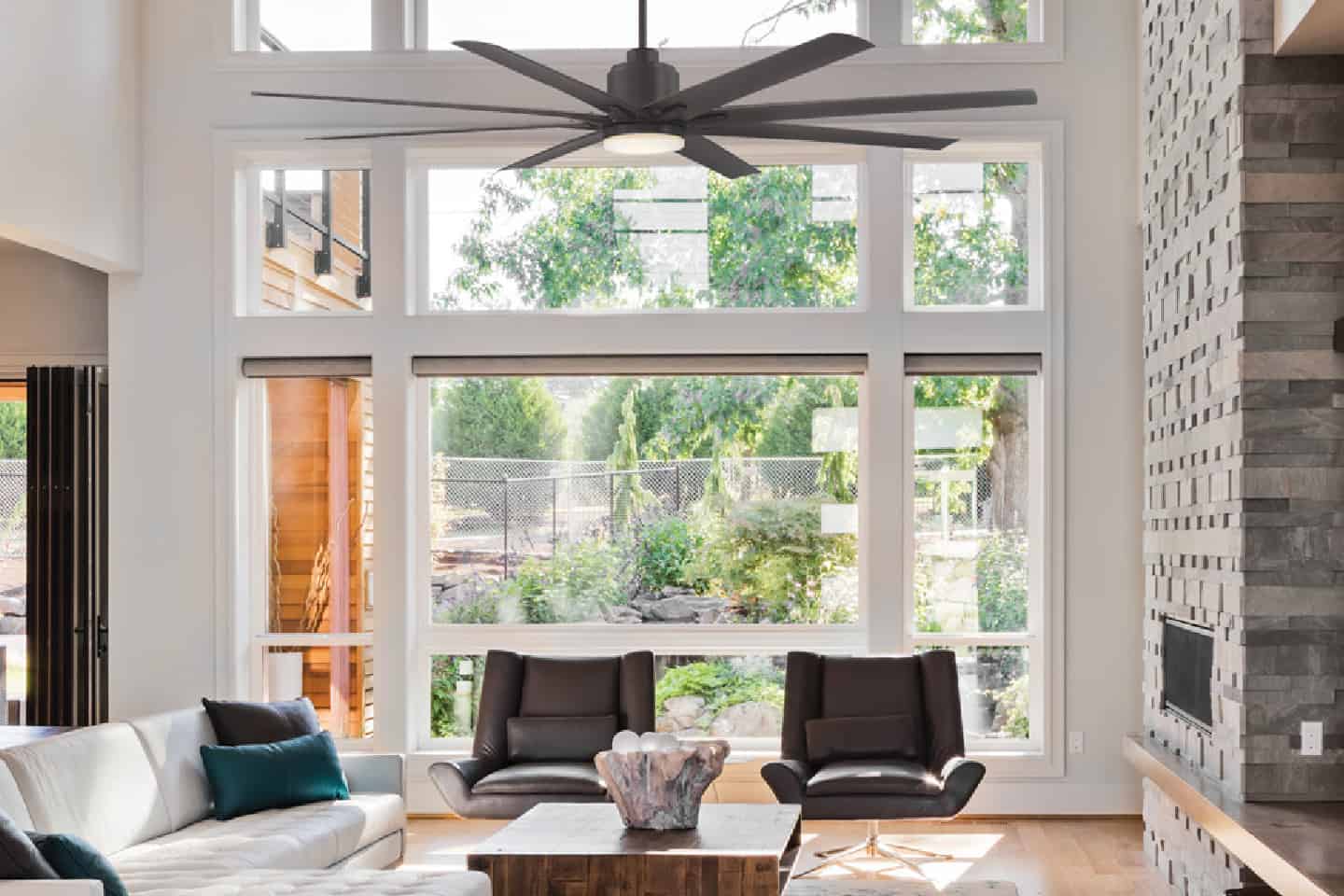
Contemporary interior design isn’t tied to one decade the way mid-century or farmhouse styles are. It changes with the moment, borrowing clean lines from modernism, a little warmth from traditional design, and the occasional bold shape from art deco. That flexibility is exactly why contemporary style interior spaces mix so easily with whatever a homeowner already owns, instead of asking them to start over.


Today’s modern contemporary interior design relies on sleek lines, functional layouts, and neutral foundations punctuated by intentional pops of color.
The Layout: A modern contemporary home interior typically utilizes open floor plans, maximizing natural light and spatial flow.
The Architecture: Clean, straight structural lines define both the contemporary house interior and its furniture.
The Elements: Stainless steel appliances, reflective surfaces, and innovative contemporary plumbing fixtures serve as functional art. They elevate a neutral backdrop into a memorable, high-end environment.

A contemporary home interior design usually starts with three tones: a cool gray, a crisp white, and a deep charcoal, used across walls and larger surfaces so the room has somewhere quiet to rest the eye. Beige or warm gray flooring often carries that same restraint underfoot.
What keeps a contemporary home decor style from feeling cold is what gets layered on top. Raw or lightly finished wood, matte black hardware, and one textured fabric, wool, linen, or boucle, are usually enough to keep a monochromatic room from reading as sterile. A single strong piece, a steel fireplace surround, an architectural cocktail table, does more for the room than several smaller accents competing for attention.

A contemporary kitchen design leans on uncluttered surfaces and hidden storage more than any single trend. A quartz waterfall island paired with flat panel, dark-toned cabinetry is the anchor most kitchens build around, and a geometric pull-down faucet in matte black or brushed brass ties the hardware to the rest of the room instead of treating it as an afterthought. Brands like MTI and Top Knobs show up often here for exactly that reason: functional contemporary kitchen fixtures that also read as design pieces.
Contemporary bathroom design follows the same logic on a smaller footprint. Large format tile, a floating vanity, and a freestanding soaking tub keep the room open and calm, while wall-mounted plumbing and TOTO fixtures handle the daily performance side without adding visual clutter. The goal in both rooms is the same: nothing in view that isn’t either beautiful or working hard, ideally both.
A perfect marriage of traditional and contemporary design, the transitional style takes on a bold, sophisticated look while maintaining a classic feel.
ExploreRich with history and forever in style, the traditional look celebrates the best in design — making your home feel warm, inviting and friendly.
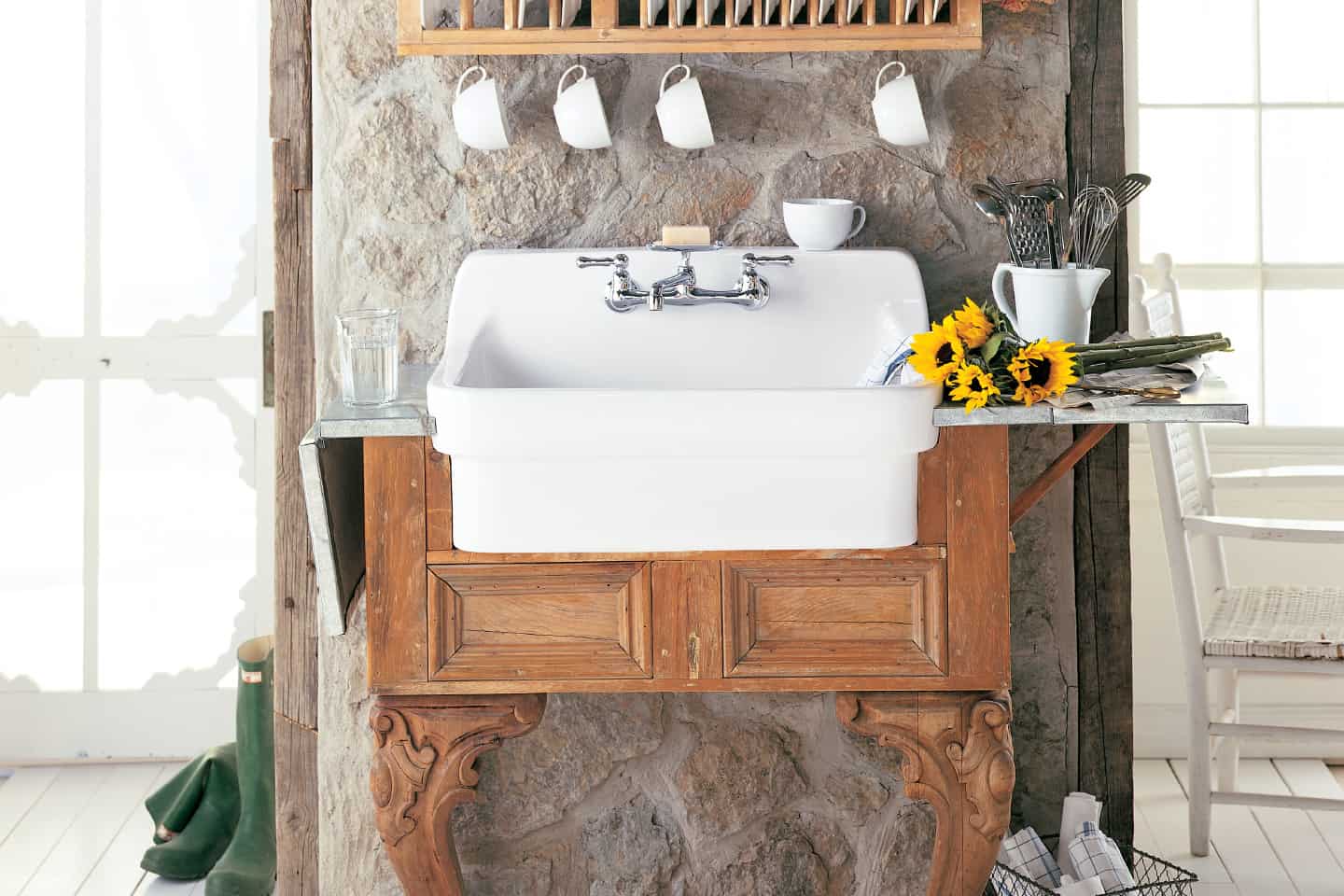
ExploreA balanced blend of rustic charm and refined character, the modern farmhouse look makes any home feel comfortable, cozy and classic.
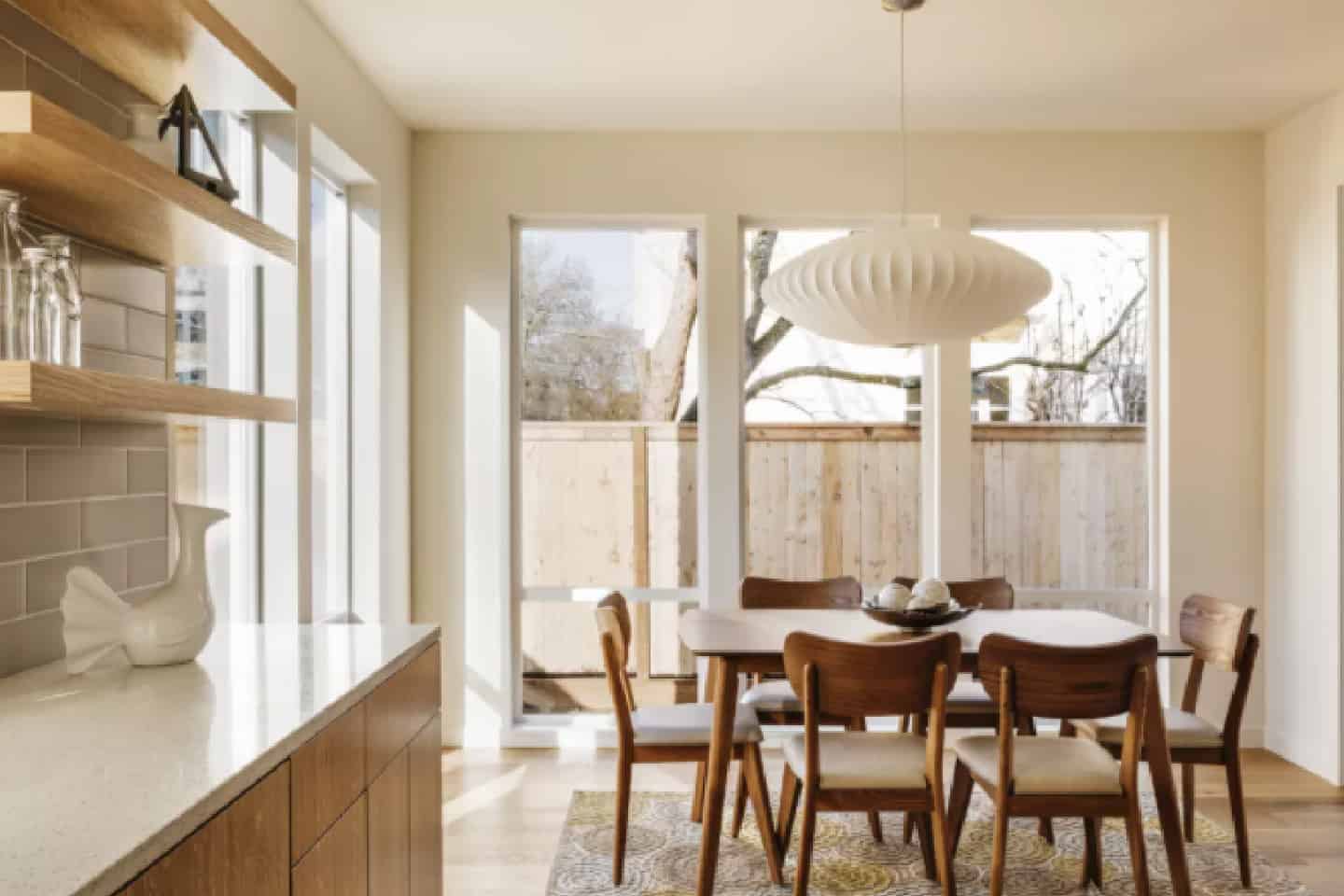
Explore60’s chic meets modern minimalism with this retro style. Learn more about mid-century modern design & how to incorporate it into your home.
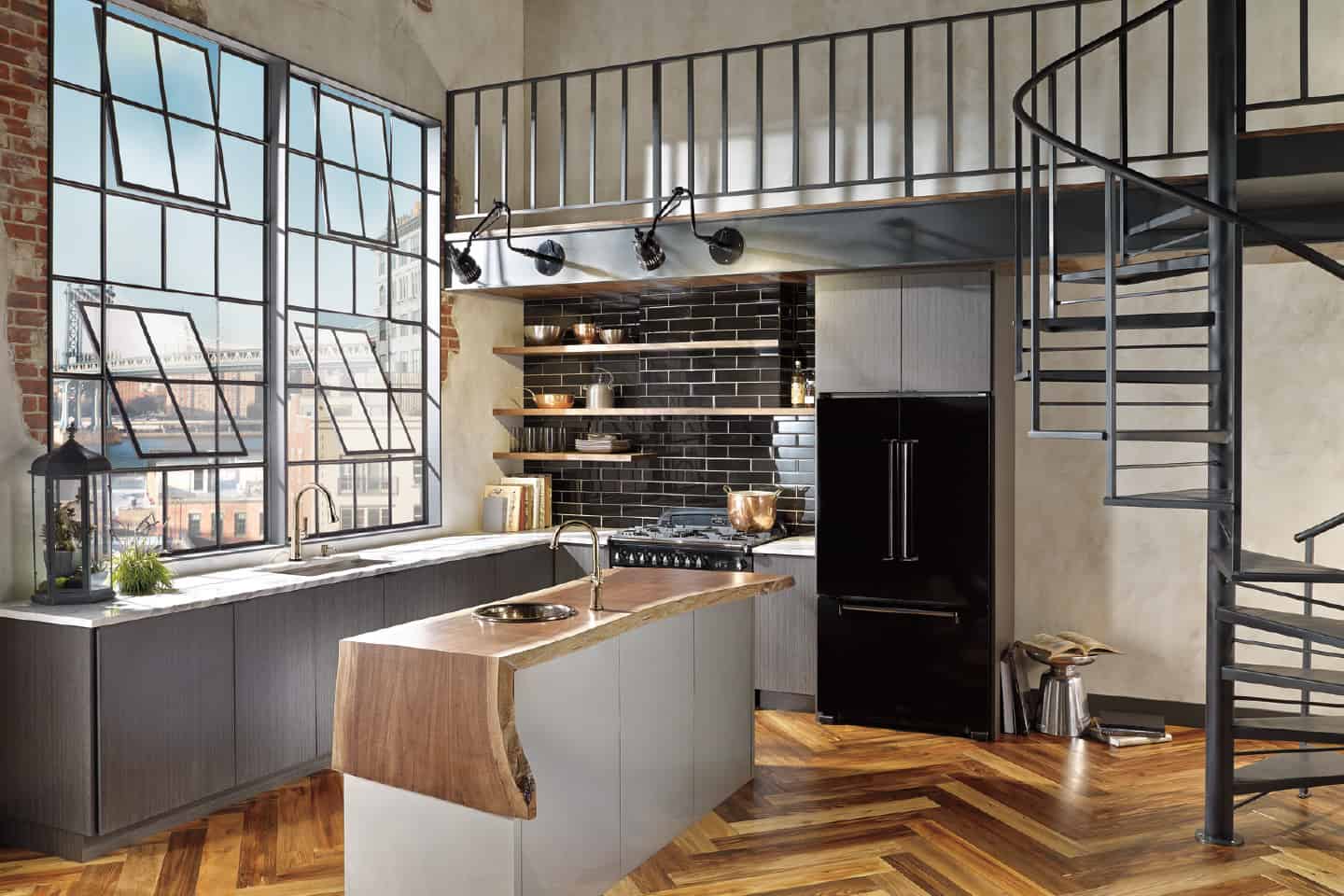
ExploreIndustrial design brings vintage to the modern day, with wood, concrete, exposed bricks & metal as the defining characteristics of this minimalist style.
ExploreVisit a Showroom
A strong contemporary home interior design comes down to a handful of confident choices, not a long list of trends. Our design consultants can walk you through TOTO, MTI, and Top Knobs finishes in person so you can see how each one holds up against real light before you commit.
Take the Style Finder Quiz – Shop Online at Coburns.com – Find Your Nearest Coburn’s Location
Layer Into Fall
This fall, it’s all about the layers. Explore a curated mix of finishes, textures and details designed to help you create spaces that feel collected, comfortable and completely your own.
VIEW THE LOOKBOOK
The sections above describe how a contemporary home looks. This section covers the product decisions that get it there: which faucet and sink, how to size pulls, how to light an island, how to proportion a vanity and mirror, and how to keep one finish consistent from kitchen to bath. In a contemporary interior design plan, these choices carry more weight than in most styles, because so few pieces share the room.
Choosing a Contemporary Kitchen Faucet and Sink
A single-handle pull-down is the most natural contemporary kitchen faucet. One lever and one continuous spout keep the silhouette simple, and the sprayer docks back into the spout rather than sitting on the deck beside it. Two-handle bridge faucets read as traditional or transitional, so save them for those rooms. Check spout height against any window or upper cabinet above the sink, since a tall arc needs clearance to look intentional.
An undermount sink keeps the countertop edge unbroken, which suits the style better than a visible rim. An apron-front sink can still work if its front is smooth and flat; a carved or heavily detailed apron moves the kitchen toward modern farmhouse.
Cabinet Pulls That Keep Door Fronts Quiet
Slim bar pulls and low-profile edge pulls suit flat cabinet fronts because they add a line rather than an ornament. Size each pull to its door or drawer instead of using one length throughout; wide drawers look underdressed with short pulls. Keep pulls at a consistent height across a run of cabinets so they read as a single horizontal line. Top Knobs makes contemporary profiles in a range of finishes and lengths.
Layering Contemporary Kitchen Lighting
Contemporary kitchen lighting works best in three layers: recessed fixtures for general light, under-cabinet lighting for counters, and pendants over the island as the one decorative element. Put each layer on its own switch or dimmer so the room can shift from task light to evening light. Two or three pendants in simple geometric or linear shapes, spaced evenly along the island, usually look more deliberate than one oversized fixture. Measure ceiling height before choosing, since it sets how low pendants can hang. Kichler and Progress Lighting both make pendants for clean-lined kitchens, and Kichler also offers under-cabinet lighting.
Sizing a Contemporary Bathroom Vanity and Mirror
A contemporary bathroom vanity should leave a few inches of open wall on each side rather than running tight to the corners, which keeps its outline crisp. Drawers outperform doors in a wall-hung cabinet: full-extension drawers use the full depth, so storage holds up even in a small bath.
The mirror should match the vanity’s width or sit slightly narrower. A frameless mirror, or a thin metal frame in the faucet’s finish, keeps the wall calm, while a round mirror over a rectangular vanity adds a single soft line. Hang sconces or a vanity light at face height on either side or above, and align their edges with the mirror. Uttermost carries mirrors in shapes and finishes that fit this approach.
Tub Fillers, Shower Trim, and Toilets
The tub filler depends on where the tub sits. A floor-mounted filler suits a tub set away from the walls; a wall-mounted filler works when the tub sits against one. MTI builds freestanding tubs from crisp rectangles to softer ovals, and the shape you choose should echo the room’s other lines.
In the shower, a slim square or round showerhead and a simple trim plate keep the wall uncluttered. A linear drain lets the floor slope in one direction, so larger tiles need fewer cuts. For the toilet, TOTO offers wall-hung and skirted designs with smooth sides that hide the trapway’s curves. Choose all of these contemporary bathroom fixtures in one finish so they read as a set.
Carrying One Finish From Room to Room
A contemporary home feels most cohesive when one finish leads throughout. Brushed brass and matte black both vary in tone and sheen between manufacturers, so compare actual samples side by side before ordering pieces from different brands. To mix two finishes, give the lead finish to the pieces you touch every day, such as faucets and pulls, and use the second in lighting or mirror frames. Polished chrome reads cooler and more traditional, so it rarely leads in a contemporary room.
What to Bring to Your Showroom Appointment
Bring a floor plan marked with tub location, island length, vanity width, and ceiling height, plus photos of the room as it stands, since existing flooring and trim affect which finishes work. If the plan includes wall-mounted faucets or a wall-hung toilet, confirm those models before the walls close, because their valves and carriers sit inside the wall; installation stays with your contractor. Take the Style Finder quiz, find your nearest location, and book an appointment.
At Coburn’s Showroom locations across Louisiana and Texas. Booking an appointment lets a Showroom Consultant gather faucets, tubs, and cabinet hardware from these brands so you can judge them as one set rather than one at a time.
Yes. Fewer visible controls keep the faucet’s outline clean, which suits the style. The Moen Smart Water Network Collection adds kitchen and bath fixtures that sync with a smart home system.
No. Minimalism reduces a room to the fewest possible objects. Contemporary design keeps clean lines but allows texture, a soft curve, an accent color, or one statement piece, so the room can feel warm and lived-in.
Brushed brass adds warm contrast against dark cabinets, while matte black gives a quieter, tone-on-tone look. Either works when the faucet and pulls share the same finish.
Both fit. Panel-ready appliances continue the flat cabinet fronts without a break, and stainless steel suits the style’s hard, clean-edged materials. The Thermador Masterpiece Collection is one appliance line worth comparing in person.
Yes. Simple, geometric fixtures in one consistent finish sit well on shaped cabinet doors, and the pairing is a common bridge between the two styles.
Not if the architecture stays and the fixtures do the updating. Keep existing trim and moldings, introduce contemporary faucets, lighting, and hardware, and choose a finish that relates to metals already in the house.
Yes. Many contemporary primary baths replace the tub with a larger walk-in shower with a curbless entry and a frameless glass panel. If you bathe young children, keep a tub in another bathroom.
Treat it as the one room for a bolder move. A wall-mounted or vessel sink, a sculptural mirror, and one dark or textured wall work well in a small space that guests see briefly.
A full-height slab that matches the countertop gives the cleanest result. Large tiles with thin grout lines are the next option; small, busy patterns work against the style.
Choose one. A stainless chimney hood can be the room’s statement piece, or a hood insert concealed in flat-panel cabinetry can vanish completely. Avoid ornate hoods, which pull the kitchen toward traditional.
A linear chandelier or a cluster of simple pendants, sized at roughly half to two-thirds of the table’s length. Kichler and Progress Lighting both make clean-lined dining fixtures.
Yes. Flat-panel cabinets that hide supplies, a utility sink, and a faucet in the same finish as the kitchen carry the style into a working room without extra cost in detail.
Limit curves to a few pieces, such as a round mirror, an oval tub, or a rounded pendant, and keep cabinetry, tile, and architectural lines straight.
Yes. Look for the EPA WaterSense label on faucets, showerheads, and toilets, which marks products at least 20 percent more water-efficient than standard models. Many contemporary bathroom fixtures carry it, so ask a Showroom Consultant to filter options by the label.