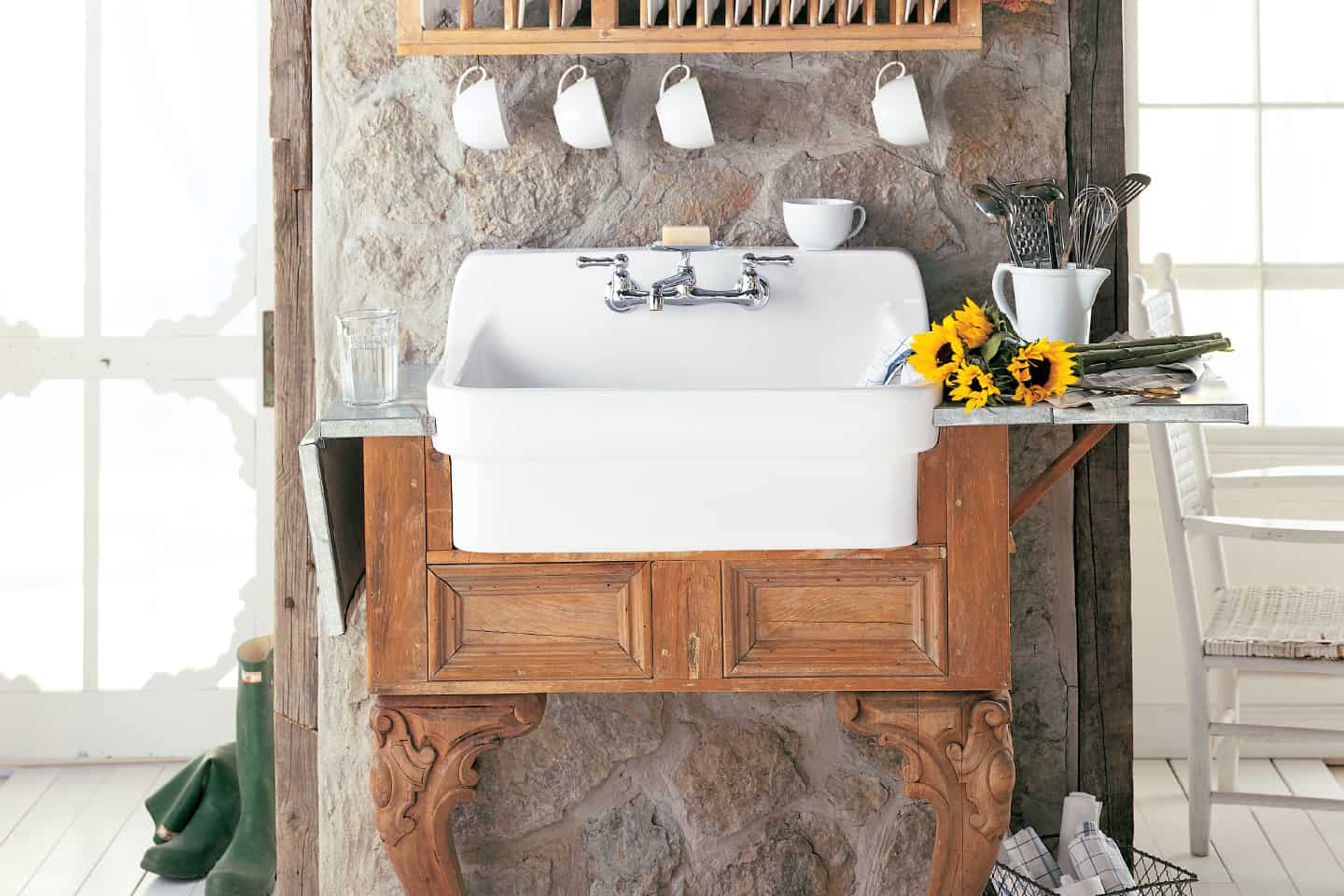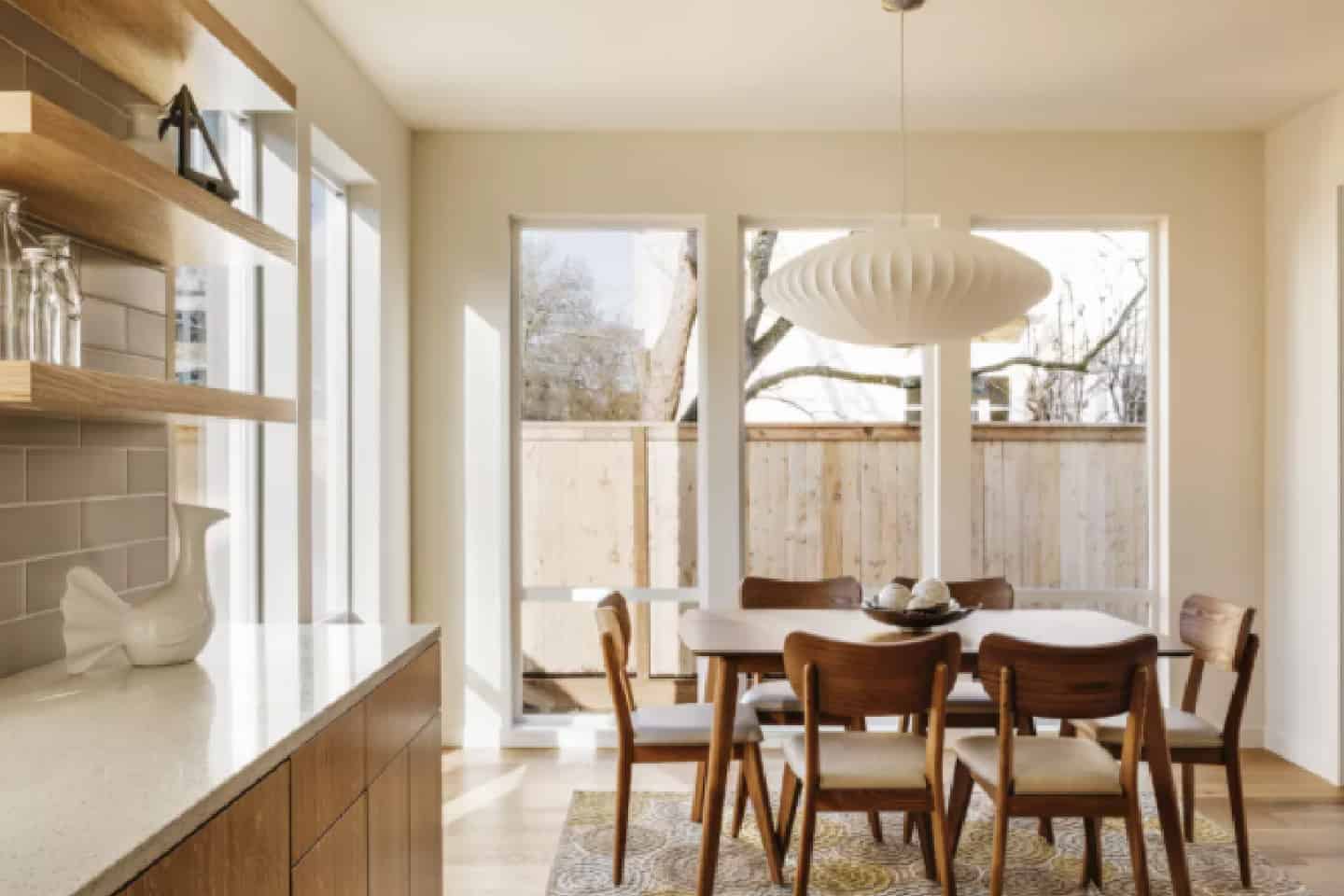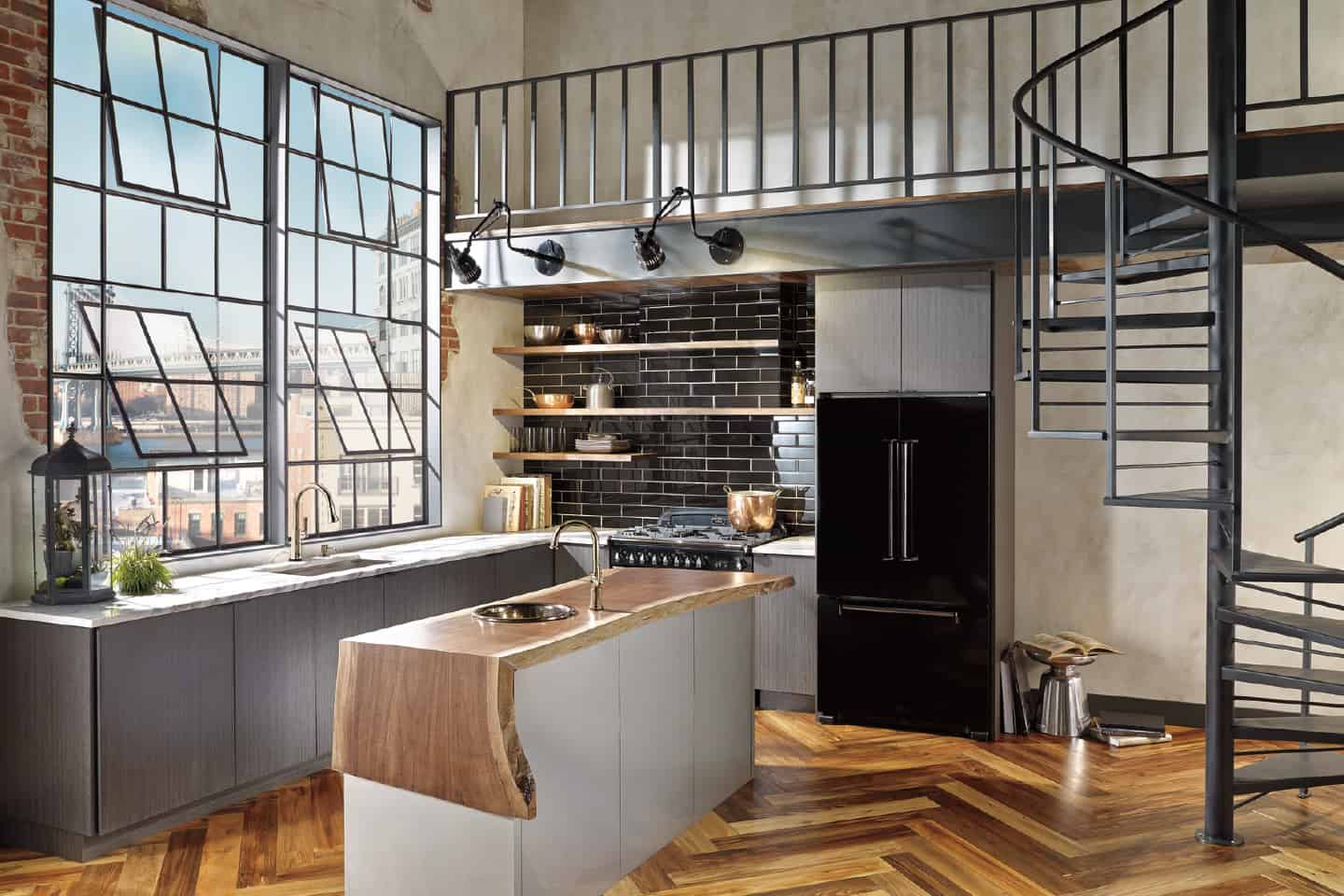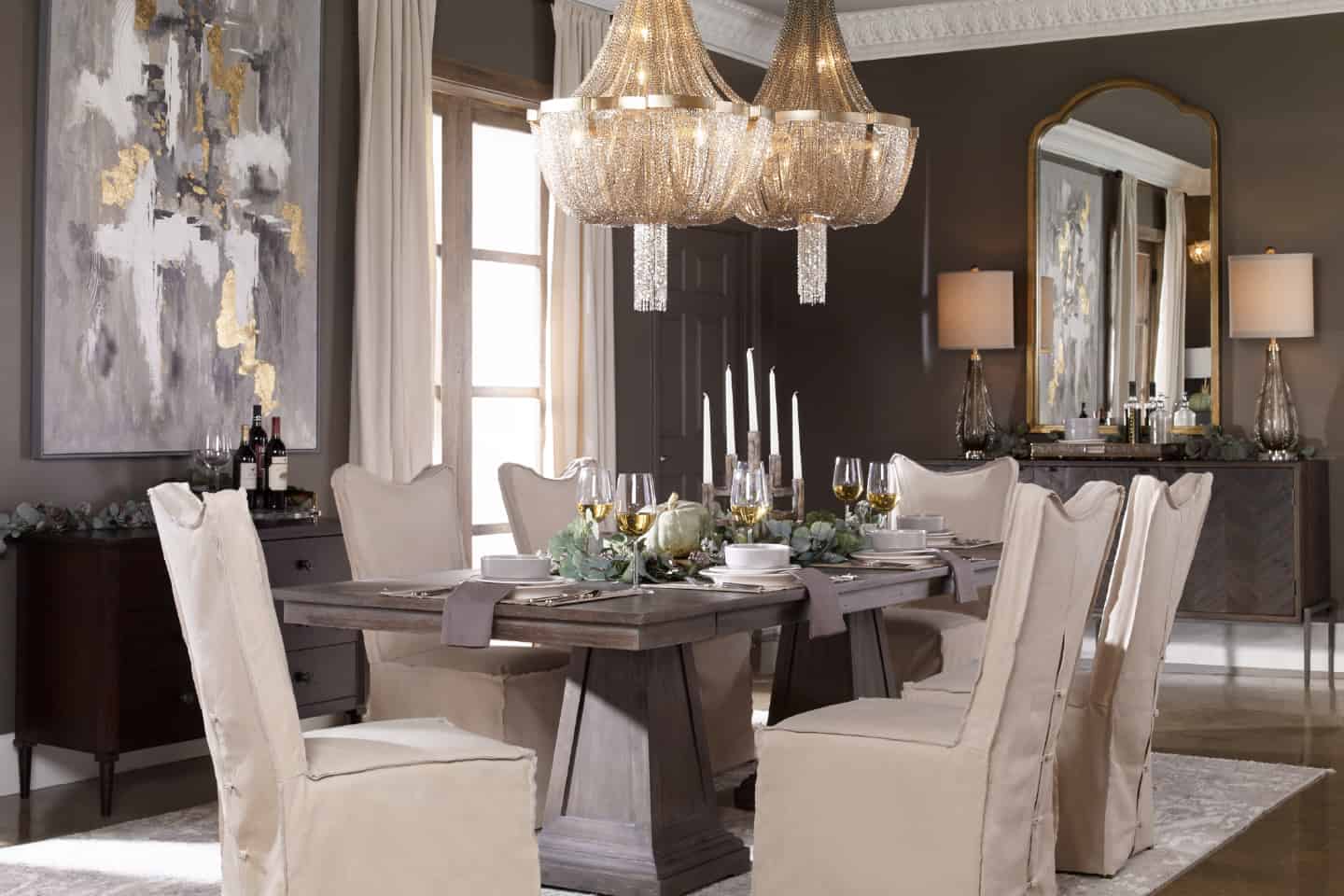
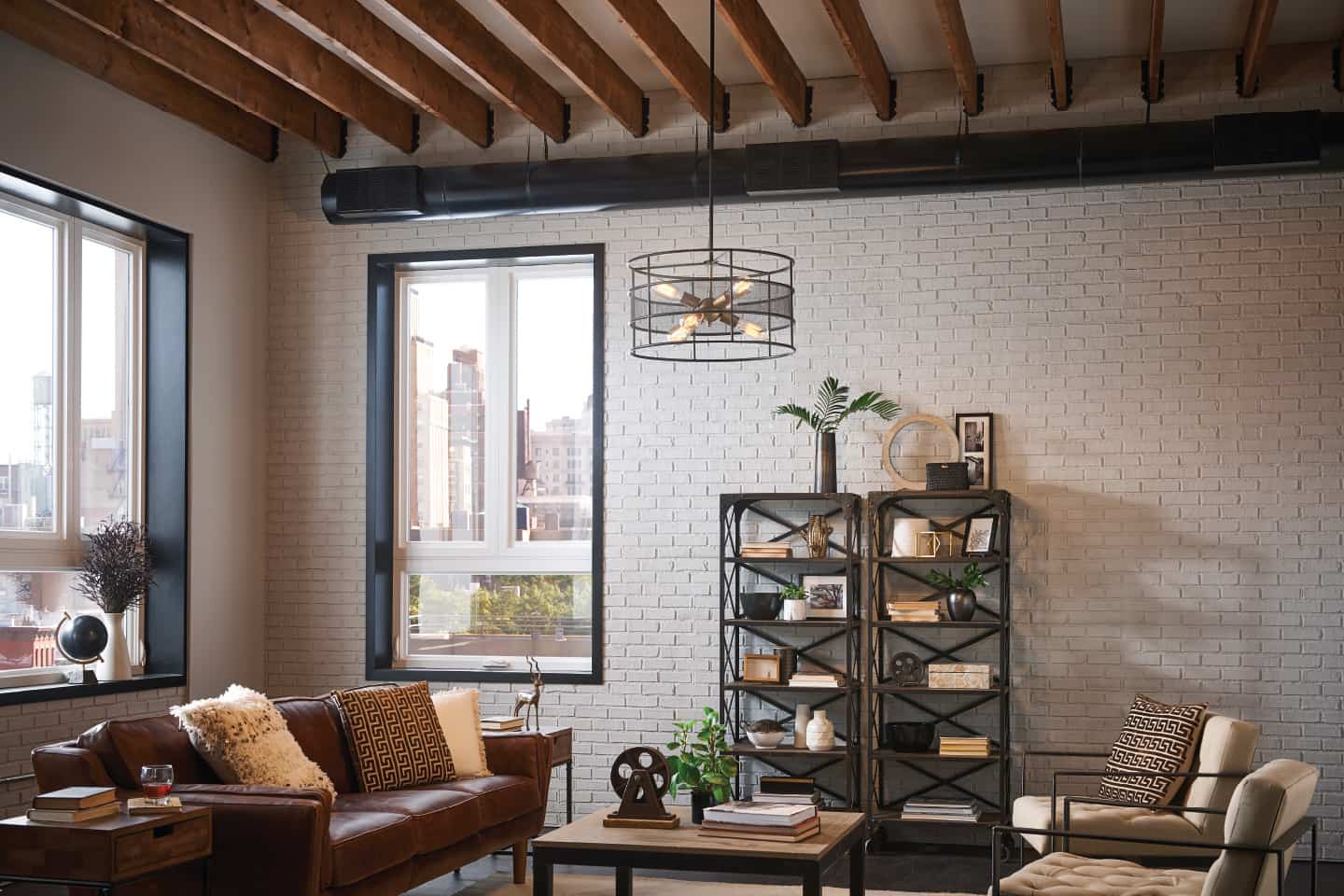
Decisions, decisions. Having a hard time choosing between the warm nostalgia of classic antiques and the clean, structural lines of a contemporary home? You don’t have to pick just one.Transitional interior design offers the perfect middle ground. Acting as a seamless marriage between rich traditional details and sleek contemporary aesthetics, the transitional style delivers a sophisticated look while maintaining a comfortable, inviting feel.
Bold, structural furnishings and dynamic accents drive this look, helping solidify it as a premier choice for anyone who wants a home that feels both current and enduring.
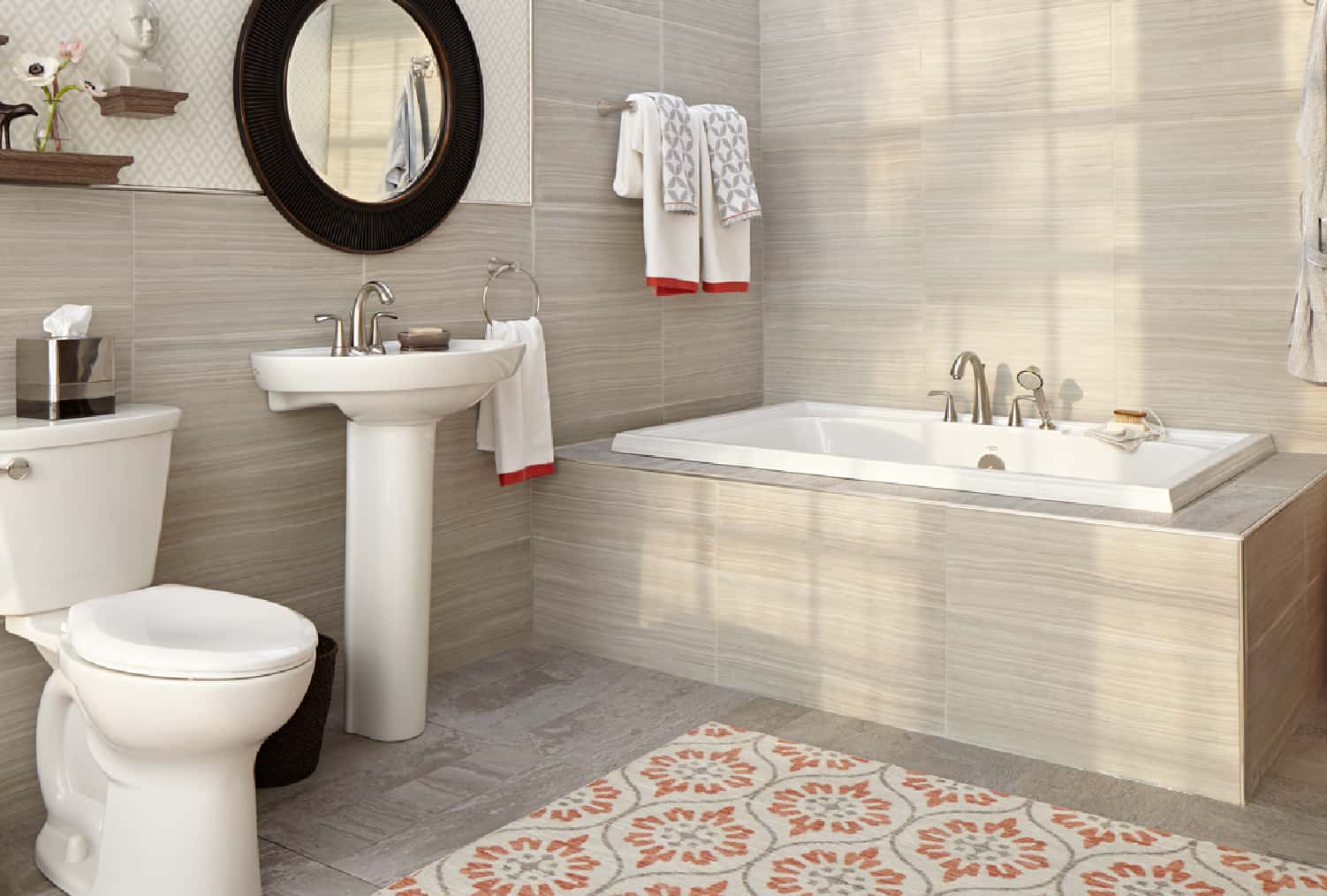
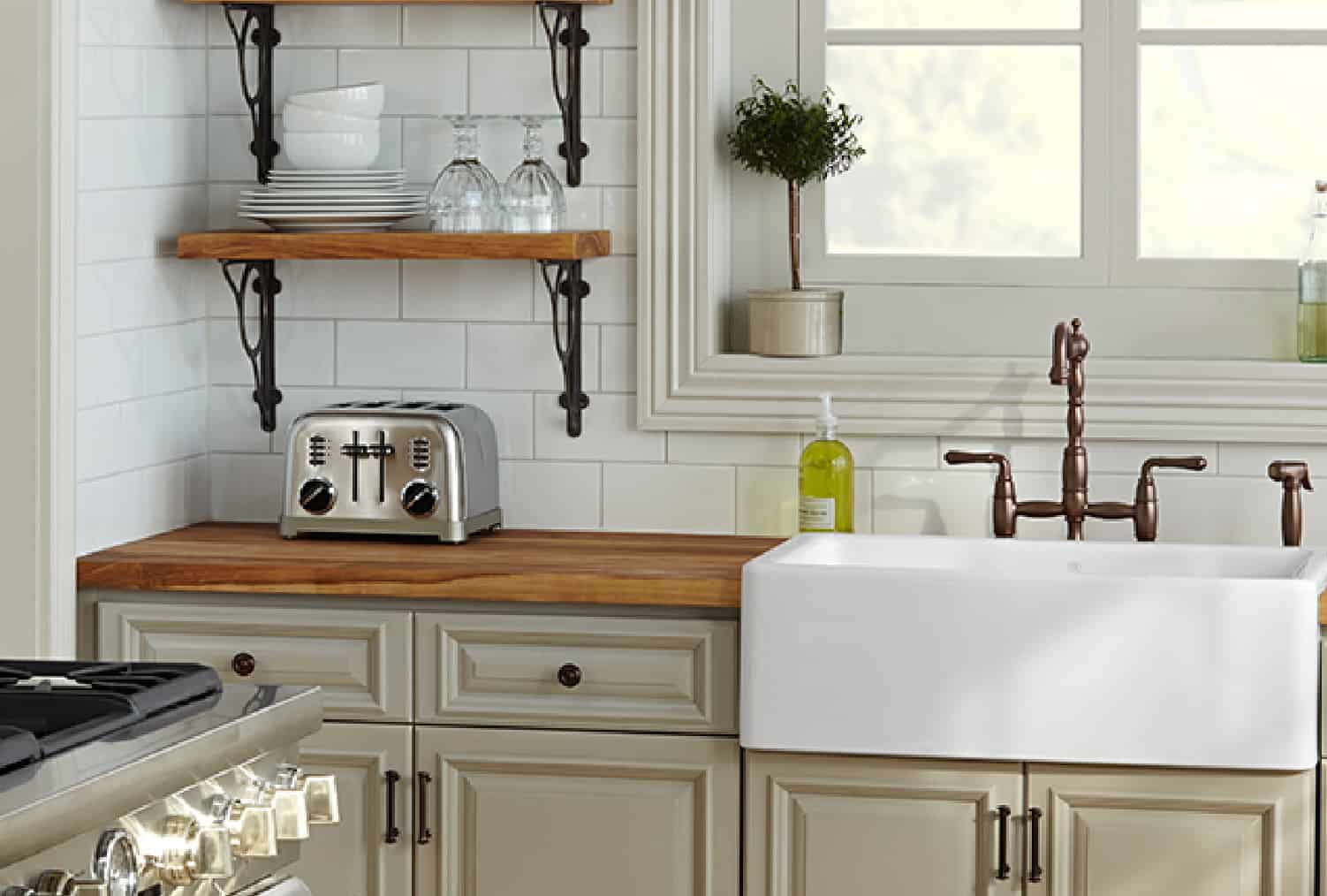
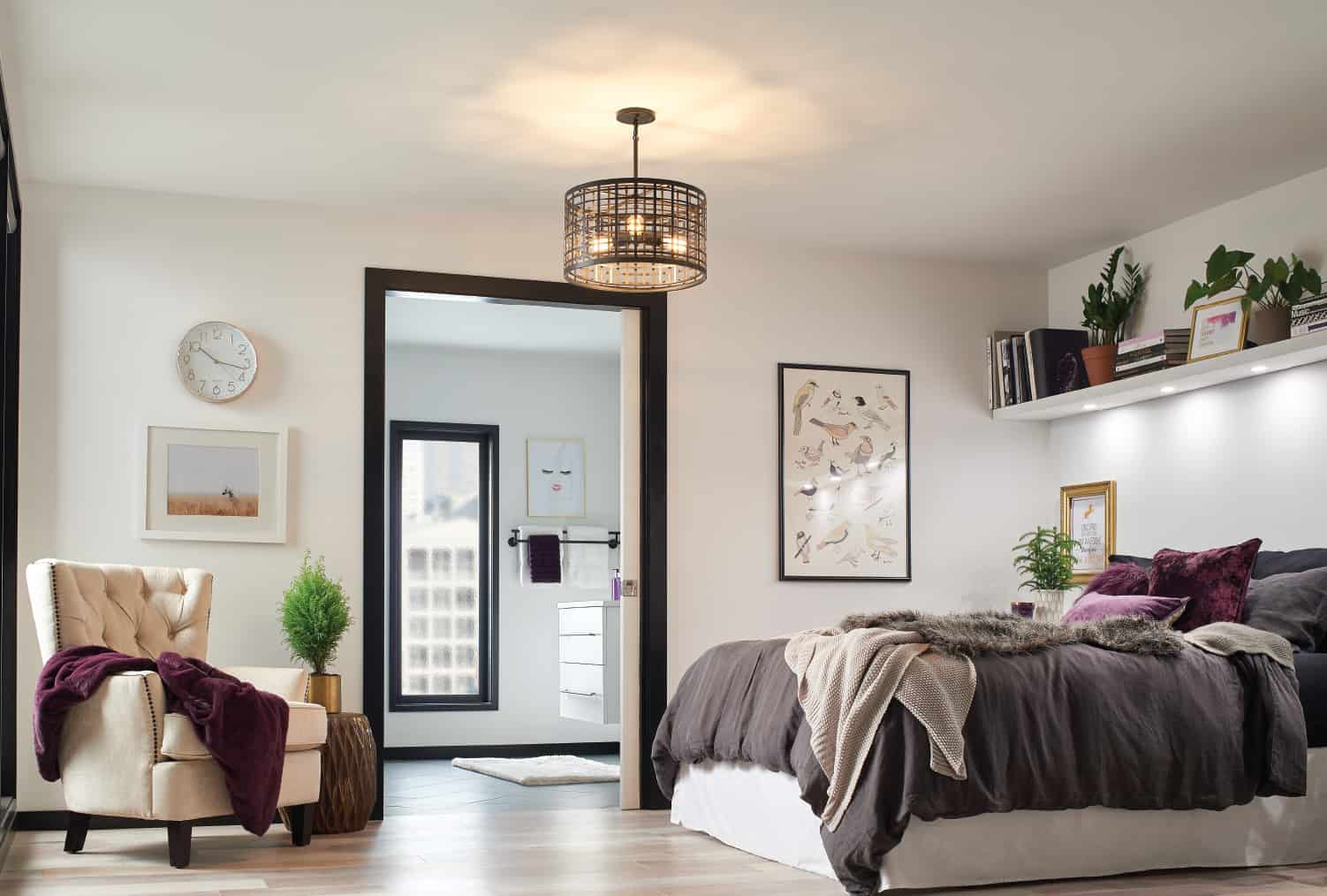
Transitional style blends classic warmth with modern clarity. Instead of committing entirely to heavy wood carvings or stark minimalist frames, it selects the most livable elements from both worlds.
Core principles of a transitional home design include:
Kitchens and bathrooms showcase transitional design style exceptionally well. These high-use spaces rely on classic craftsmanship paired with high-performance modern fixtures.
As home aesthetics evolved away from formal traditional layouts, homeowners sought spaces that felt polished without being stiff. Modern transitional design emerged to bridge that gap, borrowing the cozy proportions of classic modern interiors while discarding ornate trim and busy patterns.
By bringing contemporary traditional style into everyday floor plans, this look preserves historic architectural character while embracing simple, functional daily living.




Visit a Showroom
Creating balanced transitional living spaces comes down to thoughtful material layering and enduring fixture choices. Visit a local showroom to explore finishes, touch real stone samples, and discover the right plumbing and hardware pieces for your home.
Take the Style Finder Quiz | Shop Online at Coburns.com | Find Your Nearest Coburn’s Location
Layer Into Fall
This fall, it’s all about the layers. Explore a curated mix of finishes, textures and details designed to help you create spaces that feel collected, comfortable and completely your own.
VIEW THE LOOKBOOK