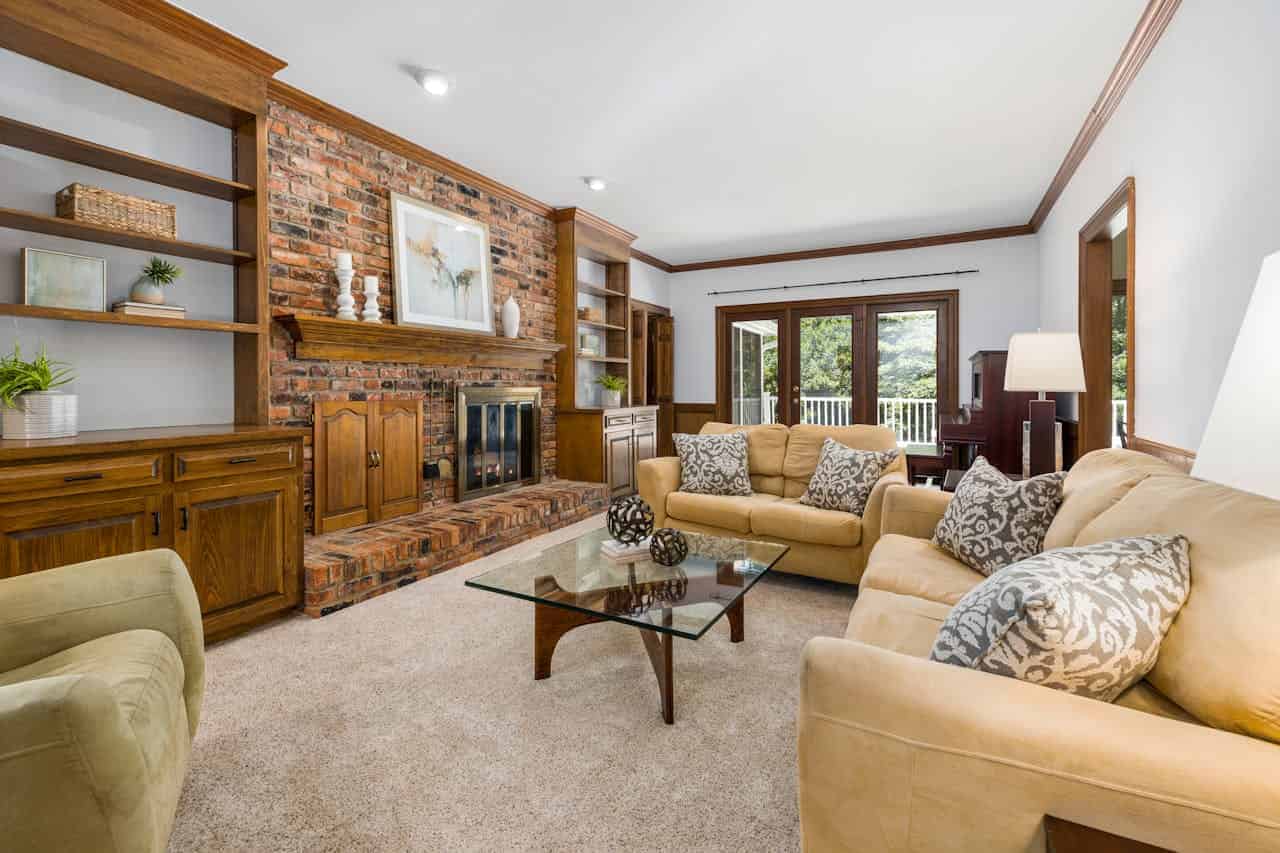
Why Is Interior Design Important? 10 Benefits That Add Value to Every Home
Life is shaped by simple daily pleasures, like winding down in a perfectly lit room or enjoying your morning coffee in a quiet, sunlit corner. These small moments are exactly why interior design matters far beyond basic looks.
A thoughtfully planned layout directly upgrades your daily life. Understanding why interior design is important helps you shift from simply occupying a space to truly thriving in it. Realizing the full value of interior design allows you to see that changing your home isn’t a massive chore. Instead, it is an exercise in identifying what makes you comfortable, unlocking your personal style, and discovering how the importance of interior decoration lies in making every square foot work efficiently for your daily routines.
What Is the Purpose of Interior Design?
To truly appreciate the value of interior design, we first have to answer a core question: what is the purpose of interior design?
At its heart, interior design is the art and science of enhancing the interior of a building to create a healthier, more organized, and more aesthetically pleasing environment. It isn’t just about picking out trendy furniture or deciding on a color palette. Instead, it is an intentional blend of space planning, human psychology, and ergonomics. It ensures that every room is designed to support the physical and emotional needs of the people using it.
Before exploring the direct benefits of professional design, it helps to understand how designers build a cohesive room. The importance of interior decoration lies in balancing seven foundational elements that together reveal the true importance of interior design in practice:
- Space: The physical boundary of a room. Designers balance positive space (occupied by objects) and negative space (empty pathways) to ensure easy movement.
- Form: The shape of the room and the structural contours of the furniture and layout, establishing the room’s unique character.
- Line: Vertical, horizontal, and dynamic lines that guide your eye, establishing structural harmony and highlighting why modern interior design is important for clean, structured living.
- Light: Natural and artificial illumination that changes how you experience a room’s physical boundary and prevents eye strain.
- Color: A powerful tool in color theory that evokes specific psychological responses, directly showing how the physical environment impacts your mood.
- Pattern: Decorative repetitive elements that add visual interest, helping you understand what is the purpose of interior design by giving a room distinct focus and personality.
- Texture: The tactile depth of a room, which balances hard surfaces with soft textiles to make spaces feel inviting.
Whether you are planning a quick weekend room refresh or a complete home remodel, these ten distinct points show why professional layout planning is a smart long-term investment.
1. Maximizes Functionality and Space Planning
Even the largest home can feel cramped if the floor plan is poorly organized. One of the main advantages of interior design is its focus on daily utility. Efficient space planning transforms awkward, underutilized corners into practical areas that perfectly fit your unique lifestyle routines.
2. Boosts the Overall Real Estate Market Value
Investing in high-quality layouts is not just a personal luxury. It directly increases your property’s real estate market appeal. A home featuring smart structural layouts, timeless finishes, and modern built-ins stands out to buyers, translating directly into a higher appraisal and resale value.
3. Enhances Daily Comfort and Ergonomics
A beautiful home loses its worth if it is not comfortable to live in. Good layout coordination pairs visual style with functional ergonomics, ensuring that seating placement, lighting angles, and walking pathways promote physical relaxation and effortless movement.
4. Tailored Self-Expression and Custom Vibe
Your home should tell the story of who you are. Intentionally planned spaces act as a medium for self-expression, helping you take your personal style preferences, whether minimalist, rustic, or bold, and weave them naturally into your surroundings.
5. Elevates Mood and Daily Peace of Mind
Color theory and strategic lighting setups are proven to influence your mental state. Bright, open layouts filled with natural light reduce stress, while warm paint tones and cozy textiles in a bedroom promote deep restfulness and emotional calm.
6. Improves Smart Organization and Storage
Clutter causes mental fatigue. Intentionally designed storage systems, custom shelving, and smart kitchen cabinetry help you keep your home organized, simplifying your daily routines and reducing day-to-day friction.
7. Inspires Higher Productivity and Remote Focus
With the rise of remote work, our homes have also become our offices. An ergonomic home office with tailored task lighting boosts focus, keeps you creative, and helps prevent physical fatigue during long work hours.
8. Fosters Social Pride for Entertaining Guests
A beautiful home boosts your confidence when entertaining family and friends. When your spatial layout is inviting, spacious, and highly functional, hosting social gatherings becomes a seamless, stress-free, and truly enjoyable experience.
9. Promotes Mindfulness and Personal Sanctuary
Participating in the creative process of designing your space boosts decision-making confidence. Living in a clean, curated sanctuary gives you a peaceful space to practice mindfulness and completely recharge away from the noisy outside world.
10. Long-Term Cost and Energy Efficiency
Smart layouts also factor in sustainability. By choosing high-efficiency lighting fixtures, durable flooring materials, and strategic window placements for natural thermal control, you create an eco-friendly space that significantly cuts down on monthly utility bills.
5 Practical Steps to Start Decorating Your Home
Ready to put these benefits of interior design to work in your own home? Designing a space is easy when you break it down into clear, manageable steps:
1. Identify your style preferences:
Phase 1: Inspiration.
Gather visual inspiration to identify your unique aesthetic. Determine whether you lean toward minimalist, transitional, industrial, or traditional design styles.
2. Create a detailed layout:
Phase 2: Space Planning.
Measure your rooms and map out your furniture placement. Focus on keeping main walking paths clear and ensuring each piece of furniture serves a clear purpose.
3. Select a cohesive color scheme:
Phase 3: Color Palette.
Choose a primary neutral shade, a secondary coordinating tone, and a few accent colors. Use this palette to tie your walls, floors, and textiles together.
4. Invest in functional furniture:
Phase 4: Furnishing.
Select furniture that balances style with comfort and durability. Opt for pieces that offer built-in storage if you are working with limited square footage.
5. Layer your lighting:
Phase 5: Illumination.
Combine ambient overhead lighting, focused task lighting for reading or cooking, and accent lighting to highlight architectural features.
Kickstart Your Home Design Journey With Coburn’s
A well-designed home is a lasting investment in your daily comfort, happiness, and property value. Don’t leave your home’s potential to chance. The design professionals at Coburn’s Kitchen & Bath Showroom are ready to bring your dream spaces to life with premium products and expert guidance.
Visit a Coburn’s showroom today to browse our collections and start building a home that looks beautiful and feels just right.

