How Cold Weather Affects Your Water Heater: Problems & Solutions
The Critical Effects of Winter on Your Water Heater (And How to Prevent System Failure)
When winter arrives and temperatures drop, your home plumbing faces its toughest season. While most homeowners remember to seal windows and check furnace filters, the water heater works behind the scenes under severe thermal stress.
If you have ever stepped into the shower on a freezing morning only to face lukewarm or icy water, you are far from alone. Many homeowners ask: does cold weather affect hot water heater performance? The simple answer is yes. Sub-zero temperatures and freezing drafts drop system efficiency, put heavy strain on internal heating components, and drive up monthly electric and gas bills.
Understanding how low temperatures hit traditional tanks and modern tankless units helps you protect your equipment, prevent sudden failures, and keep heating costs low all winter long.
How Cold Weather Affects Water Heater Performance
Winter subjects water heaters to a difficult double whammy: much colder incoming groundwater and significantly higher daily household demand.
Dropping Groundwater Temperatures
During spring and summer, municipal water pipes buried underground stay around 60°F to 70°F. In winter, that baseline water drops down near 40°F.
To deliver hot water at the standard 120°F mark, your unit has to raise the temperature by 80 degrees instead of 50. That extra 30-degree gap forces burner flames and electric elements to run much longer for every gallon of water you use.
Why Hot Water Runs Out Faster in Winter
It is extremely common for families to notice that hot water runs out faster in winter. This happens because of two clear physical factors:
- Thermal Loss in Uninsulated Delivery Pipes: Cold ambient air surrounding exposed water pipes strips heat out of the water as it travels from the tank to your showerhead or kitchen sink.
- Increased Standby Heat Loss: Water tanks installed in unheated spaces like garages, basements, or outdoor closets lose stored heat much faster in cold weather. The unit has to turn on repeatedly just to maintain the set temperature while sitting unused.
Heavy Winter Demand
Colder weather changes daily habits across the house. Family members take longer showers, run heavier laundry loads with hot settings, and wash dishes more often after big meals. When you combine high usage with icy incoming water, standard storage tanks drain much faster than usual.
Common Cold-Weather Water Heater Problems
Spotting specific cold-weather water heater problems early lets you fix minor issues before they turn into major emergency plumbing calls.
Traditional Tank System Issues
- Sediment Buildup and Overheating: As the heating elements stay on longer to warm cold water, dissolved minerals in the tank settle to the bottom faster. This sediment forms a crust that acts as an insulating barrier, forcing heating elements to work twice as hard and causing premature tank failure.
- Element Burnout and Valve Stress: Heavy winter cycles put intense stress on electric heating elements, thermostats, and gas valves, leading to unexpected part burnouts.
- Frozen Feed Line Pipes: Exposed inlet lines in unheated areas can freeze solid. This completely cuts off water flow, leading to classic hot water not working in cold-weather emergencies.
Tankless Water Heater Problems in Cold Weather
Tankless systems heat water instantly, but tankless water heater problems in cold weather are still very common during severe freezes:
- Lower Flow Rates: Tankless units are rated by how many gallons per minute (GPM) they can heat to a target temperature. Because winter groundwater starts so cold, a tankless heater must slow down water flow through the heat exchanger to reach 120°F. You will notice noticeably lower water pressure when multiple faucets run at the same time.
- Frozen Condensate Drain Lines: Modern high-efficiency tankless units produce liquid condensation during operation. If the external drain line freezes outside or in an unheated attic space, the unit automatically locks down to prevent damage. This leaves you dealing with a tankless water heater not working in cold weather until the line thaws.
Preventative Steps: How to Reduce Water Heating Costs in Winter
Managing a winter water heater load does not mean tolerating cold showers or paying outrageously high power bills. Simple home maintenance steps help protect your system and keep operating costs manageable:
- Insulate Water Pipes and Tanks: Wrap foam insulation sleeves around all exposed hot and cold lines within six feet of the water heater. For older tank models located in cold spaces, fit an approved insulating jacket around the tank to stop standby heat loss.
- Prevent Frozen Lines (Do You Run Cold or Hot Water During Winter?): Homeowners frequently ask: do you run cold or hot water during winter to keep pipes from freezing and bursting? The best practice is to leave a slight trickle running from faucets served by exterior wall pipes. Letting both hot and cold lines trickle keeps water moving throughout the entire plumbing network, preventing ice blockages and pressure buildup.
- Set the Thermostat to 120°F: Lowering your water heater thermostat to 120°F keeps water hot enough for daily needs while reducing standby energy loss and slowing down internal mineral buildup.
Upgrade Efficiency: Hybrid Electric Heat Pump Water Heaters
If your current water heater is over ten years old or constantly struggles during winter, upgrading to a hybrid electric heat pump water heater provides high performance with massive energy savings.
How Hybrid Heat Pump Technology Works
Hybrid heat pumps pull ambient heat from the surrounding air and transfer it directly into the water tank using advanced compressor technology. When hot water demand spikes during winter, backup electric heating elements engage automatically to meet the load. This smart dual-operation system uses up to 70% less electricity compared to traditional electric water heaters.
Featured Product: State Premier AL Smart Hybrid Electric Heat Pump
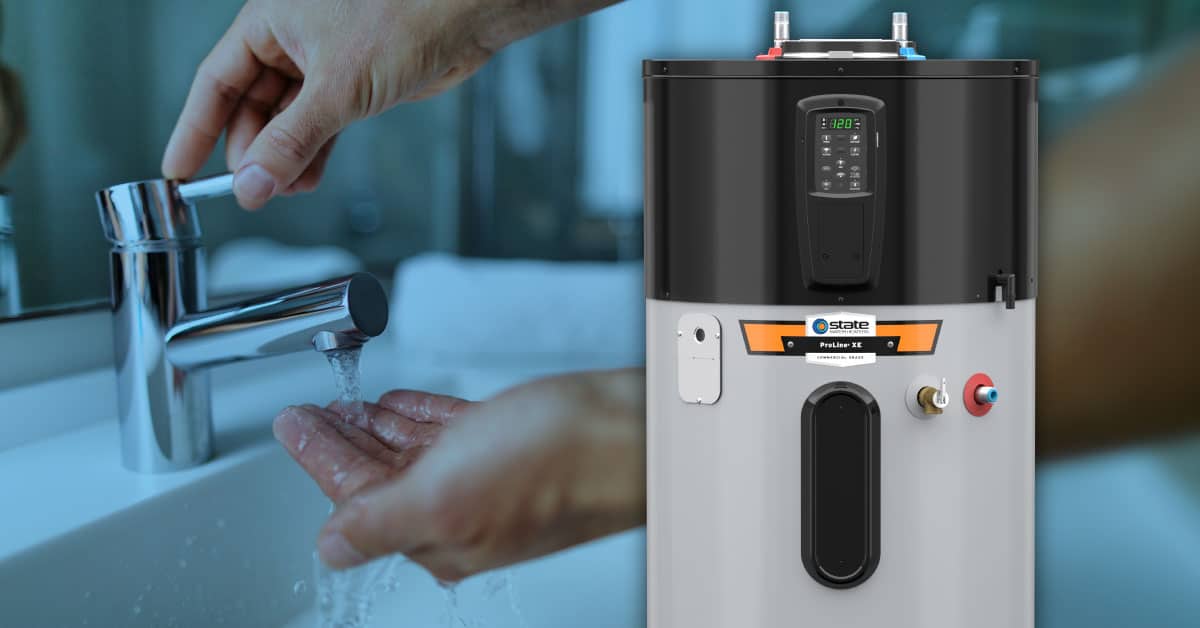
For top winter reliability, Coburn’s recommends the State Premier AL Smart Hybrid Electric Heat Pump Water Heater. Built to maximize energy efficiency and smart home integration, this unit delivers several key features:
- High Energy Savings: Features a 3.88 Uniform Energy Factor (UEF) that exceeds Energy Star specifications, driving down monthly utility expenses.
- Built-in Wi-Fi Control: Connects to smartphone apps so you can change heating modes, adjust temperatures, or set vacation schedules anywhere you go.
- Automatic Leak Detection: Features integrated water sensors and an audible alarm to alert you immediately if water pooling occurs.
- Multiple Operating Modes: Switch easily between Efficiency Mode, Hybrid Mode, Electric Mode, or Vacation Mode depending on household needs.
- Solid Warranty Coverage: Comes backed by 10-year limited tank and parts warranties for reliable long-term service.
Selecting the Right Unit and Professional Installation
Choosing the right replacement requires looking at your household size, installation location, and local climate:
- Capacity and Recovery Rate: Choose a tank size that covers peak morning usage without running dry.
- Installation Space Requirements: Heat pump water heaters need around 700 cubic feet of surrounding air space to pull heat effectively. Unheated basements, utility rooms, and large garages make great installation sites.
- Professional Setup: Proper electrical wiring, drain lines, and placement require certified plumbers to guarantee full system efficiency and code compliance.
Frequently Asked Questions
Why does my hot water stop working during cold weather?
Freezing air lowers incoming water temperatures and strips heat from exposed tanks and pipes. Cold drafts can also freeze intake lines solid, completely blocking water flow to your fixtures.
Can a tankless water heater freeze and shut down in winter?
Yes. Cold wind blowing down vent pipes or ice blocking outdoor condensate drain lines will trigger automatic safety shutoffs. Insulation, wind caps, and freeze-protection valves keep tankless units running smoothly.
How much energy can I save with a hybrid electric heat pump water heater?
Hybrid heat pump water heaters cut electricity usage by up to 70% compared to standard electric tanks, significantly lowering your monthly utility bills throughout the winter.
Visit Your Local Coburn’s Showroom
Preparing your plumbing for winter starts with expert guidance and quality products. Whether you want maintenance tips for your current system or plan to replace an old water heater, our specialists are here to help.
Visit your local Coburn’s Showroom to inspect the State Premier AL Smart Hybrid Electric Heat Pump Water Heater in person. Our knowledgeable team will guide you through sizing, efficiency ratings, and smart controls to find the best water heating solution for your home.
Find Your Nearest Coburn’s Showroom Location

