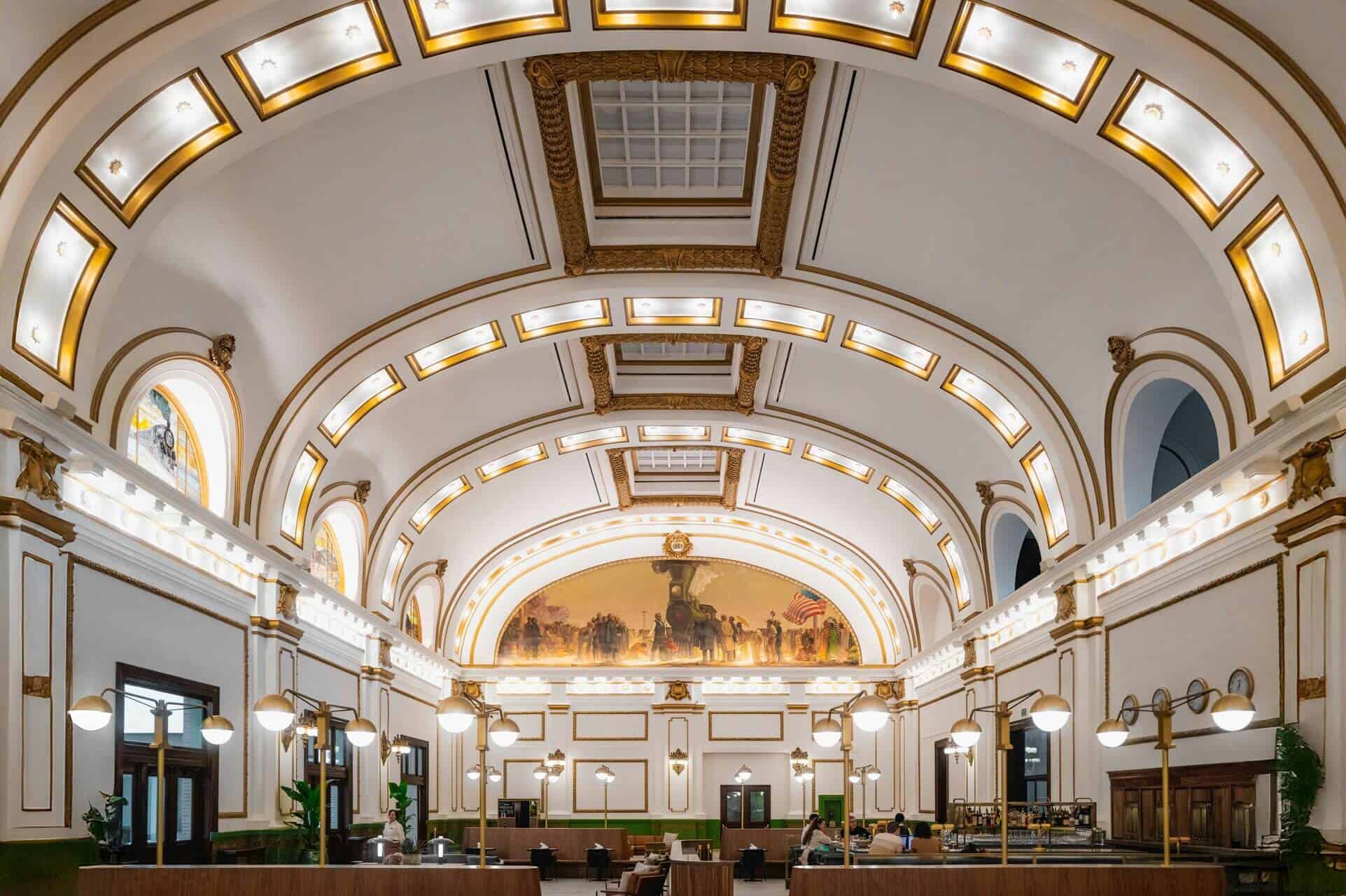
Rhythm in Interior Design: Definition, Types, and How to Use It in Every Room
Have you ever walked into a room and instantly felt a sense of calm, energy, or visual delight? It is not an accident. More than likely, that space was crafted using an expert application of rhythm in interior design, guiding your eyes through a curated journey of balance and flow.
When you look at a massive selection of fixtures, furniture, and finishes, mapping out a new space can feel overwhelming. However, understanding the core principles of visual movement allows you to navigate the process with complete confidence.
By embracing these foundational guidelines, you can reflect your personal style and functional needs, turning empty floor plans into rewarding, beautifully balanced design solutions.
What Is the Rhythm Definition in Interior Design?
In the simplest terms, the rhythm definition in interior design refers to the deliberate repetition or organized placement of visual elements to create a sense of movement within a space. Just like the auditory rhythm of a song catches your ear, a visual rhythm catches your eye, establishing a natural, uninterrupted path for your gaze to follow.
By utilizing recurring patterns, colors, materials, and architectural details, designers prevent a room from looking static or messy. Instead, rhythm acts as the link that stitches separate design choices together into a single, unified narrative.
Why Is Rhythm Desirable in Interior Design?
Without a clear visual flow, high-end spaces feel disjointed. The practical rhythm definition in interior design comes down to moving the eye intentionally through a space rather than letting it get stuck in clutter.
Mastering rhythm in interior design brings several immediate advantages:
- Guides Movement: It directs a visitor’s gaze straight to focal points, like a stone fireplace or a luxury freestanding bathtub.
- Unifies the Room: Utilizing repetition and rhythm in interior design makes sure a bold accent color or a distinct metal finish looks purposeful rather than accidental.
- Structures the Layout: Implementing different types of rhythm in interior design helps establish clean sightlines across open floor plans.
- Balances the Energy: Layout methods like radiation rhythm in interior design anchor circular furniture groups, while opposition rhythm in interior design uses crisp, intersecting angles to keep the eye engaged.
- Improves Functionality: It helps guests naturally understand how to walk through, navigate, and interact with the room.
The 5 Core Types of Rhythm in Interior Design (With Examples)
Achieving visual movement is not a one-size-fits-all process. Designers rely on distinct types of rhythm in interior design to set the energy and flow of a room.
1. Repetition Rhythm in Interior Design
This technique uses a single element multiple times to build order and predictability.
Example: A row of three identical matte black pendant lights over a kitchen island.
2. Radiation Rhythm in Interior Design
Also called radiation in interior design, this method arranges elements in a circular fashion outward from a central point to draw attention to the middle.
Example: A round dining table with chairs arranged evenly around it, or a circular rug under a curved seating group.
3. Gradation Rhythm in Interior Design
Built on gradation in interior design, this steps the eye along a path via a step-by-step increase or decrease in size, color, or placement.
Example: Displaying vases on a mantle in ascending size order, or an ombre wall fading from navy to sky blue.
4. Transition Rhythm in Interior Design
Achieving rhythm by transition requires an uninterrupted, fluid line that leads the eye seamlessly from one zone to another without sudden stops.
Example: An arched doorway or a continuous hardwood floor layout connecting a kitchen to a living area.
5. Opposition Rhythm in Interior Design
This form of opposition rhythm in interior design uses direct 90-degree angles or stark variations to break up lines and inject modern drama.
Example: Pairing sharp black window trim against clean white walls or putting angular geometric shelves against a soft velvet backdrop.
How Rhythm Shapes Visitor Perceptions & Room Ambiance
When rhythm is flawlessly integrated into your home decor, it actively shapes how you and your guests experience the environment:
- Sets an Inviting Atmosphere: Consistency in your color palette and material choices eliminates visual noise, putting visitors at ease the moment they walk in.
- Improves Space Utilization: Thoughtful furniture placement combined with rhythmic visual pathways makes small rooms feel grander and massive rooms feel intimately connected.
- Elevates Home Aesthetics: It elevates your home from standard decorating to intentional, high-end design, making every choice feel completely purposeful.
The Challenges of Mastering Rhythm in Modern Spaces
Integrating visual movement in contemporary design is a delicate balancing act. Homeowners frequently run into a few common hurdles:
- Avoiding Monotony: While repetition creates safety, too much of it creates a boring, uninspired space. The key is balancing predictability with moments of surprise.
- Material and Texture Blending: Modern homes celebrate diverse materials, blending polished stone countertops with raw wood accents. Creating a clean flow amidst mixed materials requires careful curation to maintain visual balance.
- Space Limitations: Irregular floor plans can easily disrupt linear design flows. Adapting your rhythmic strategy around tight corners or architectural pillars requires creative planning.
Experience Visual Harmony: Visit Your Local Coburn’s Showroom
Bringing these abstract design concepts to life requires touch, sight, and high-quality materials. If you are ready to introduce a gorgeous, balanced flow into your home remodeling project, visit your local Coburn’s Showroom today.
Our premier showrooms are filled with stunning, fully realized kitchen and bath displays that perfectly demonstrate how repetition, radiation, and transition function in real-world spaces. Meet with our knowledgeable design consultants to browse top-tier plumbing fixtures, luxury cabinetry, and stunning lighting options that will seamlessly tie your home’s story together.

