How to Identify Your Interior Design Style: A Complete Home Aesthetic Guide
Ever walked into a room and felt something was off, even if the furniture looked expensive? That feeling happens when a space is decorated without a clear design direction. Learning how to find your interior design style isn’t about copying a magazine layout or chasing short-lived social media trends. It is about aligning your physical surroundings with how you live, relax, and move through your home every day.
When you ask yourself, What is my interior design style? you start a process that saves you from costly buying mistakes. Instead of collecting random pieces that clash, you build a cohesive foundation. From picking the right wall colors to choosing plumbing fixtures and cabinet hardware, identifying your aesthetic gives every decision purpose.
What Is Interior Design?
Interior design goes beyond basic decoration or arranging furniture to fill empty space. It is the intentional discipline of shaping indoor environments through an equal balance of architecture, psychology, and functional design.
While interior decoration focuses on surface aesthetics (like pillows, rugs, and paint colors), interior design solves spatial problems. It considers how light moves across a room, how traffic flows through doorways, and how materials withstand daily wear. A well-designed room relies on several core components:
- Spatial Architecture: Understanding proportion, ceiling heights, and structural focal points.
- Materiality & Durability: Selecting finishes, from hardwood flooring to quartz countertops, that match your daily routine.
- Ergonomics & Layout: Arranging furniture so movement feels natural and effortless.
- Illumination: Layering ambient, task, and accent lighting to set mood and maintain functionality.
When done correctly, interior design turns raw architecture into a living space that feels personal, practical, and grounded.
Different Styles of Interior Design: Core Aesthetics Explained
To answer, what is my home decor style? you first need to understand the architectural languages available to you. Reviewing different styles of interior design helps you spot common threads in what you naturally like.
Here is a breakdown of the primary interior decorating styles used in modern homes:
1. Mid-Century Modern
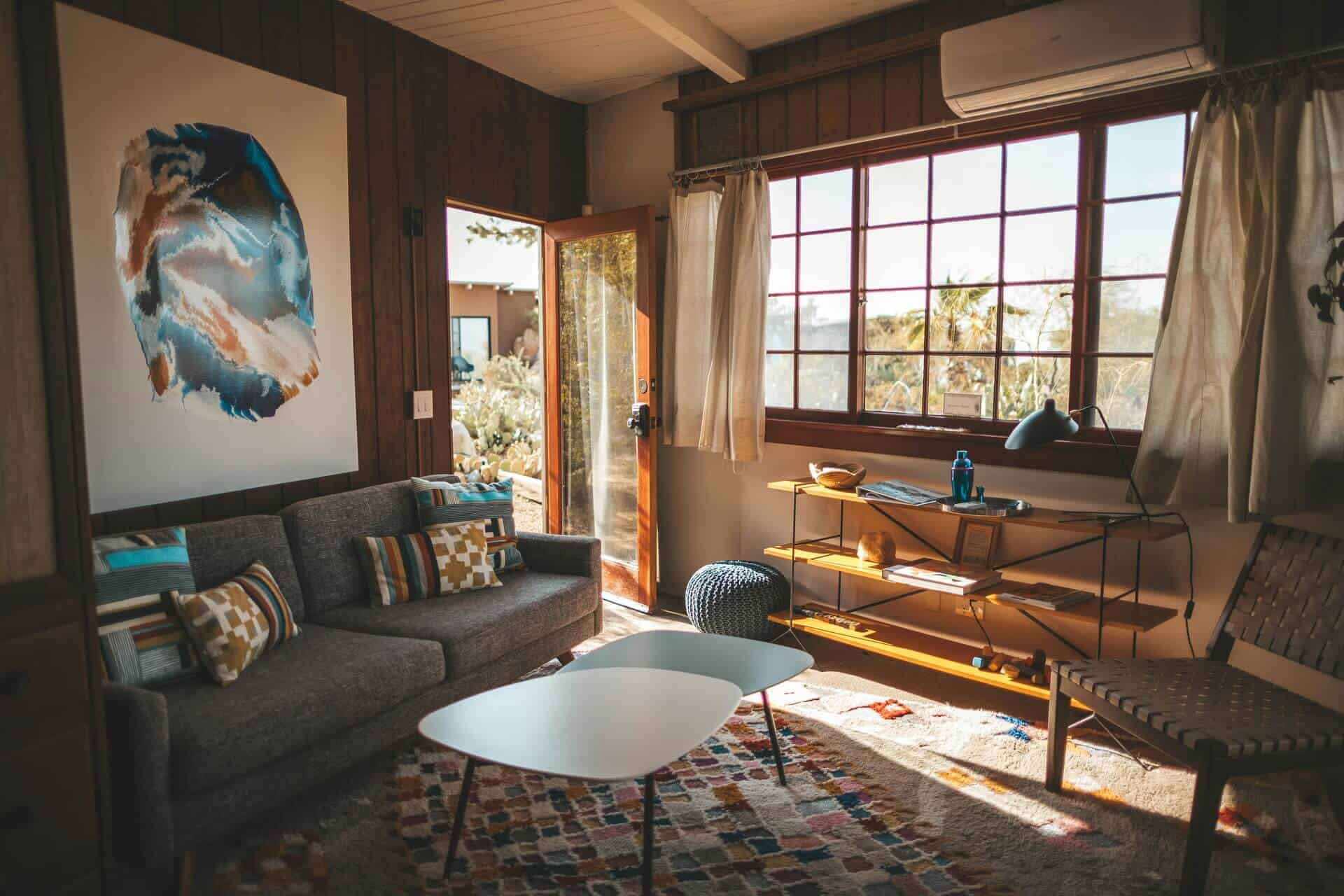
Originating between the 1940s and 1960s, Mid-Century Modern emphasizes clean lines, organic curves, and structural simplicity. It highlights natural wood tones (like teak and walnut) paired with tapered furniture legs and graphic, geometric shapes.
2. Scandinavian
Grounded in Nordic principles, Scandinavian design relies on light wood finishes, clean white walls, and uncluttered layouts. It prioritizes practical comfort, soft textiles, and maximum natural light to create an open, soothing atmosphere.
3. Minimalist
Minimalism centers on the principle that less is more. It uses spare architectural lines, hidden storage, and monochromatic palettes. Every object in a minimalist space serves a clear purpose, leaving no room for unnecessary visual noise.
4. Bohemian (Boho)
Bohemian style embraces an eclectic, unconventional spirit. It layers global textiles, vintage rugs, woven rattan, and indoor plants. Warm earth tones and layered patterns give Boho spaces a relaxed, lived-in character.
5. Industrial
Inspired by urban lofts and converted factories, Industrial design leaves structural elements exposed. Key characteristics include distressed timber, raw steel beams, brick walls, and concrete surfaces paired with neutral leather furniture.
6. Traditional
Rooted in 18th and 19th-century European design, Traditional style brings symmetry, rich wood tones, and detailed woodwork to a space. It features crown molding, classic upholstery, tailored window treatments, and antique brass accents.
7. Eclectic
Eclectic design thoughtfully mixes elements from different time periods and design movements. Rather than feeling chaotic, it maintains balance through consistent color relationships, repeated shapes, and intentional visual weight.
8. Transitional
Transitional style bridges classic Traditional details with the clean, simple profiles of Modern design. It blends comfortable upholstered seating with streamlined fixtures and neutral color palettes, creating a balanced, timeless look.
9. Art Deco
Emerging in the 1920s, Art Deco stands out with geometric patterns, bold zigzags, and metallic details. High-gloss finishes, polished brass, velvet upholstery, and mirrored surfaces define this expressive, high-contrast aesthetic.
10. Farmhouse
Modern Farmhouse blends cozy country elements with clean modern lines. Neutral color schemes, apron-front sinks, reclaimed wood, and matte black hardware give this look a warm, practical, and welcoming character.
11. Contemporary
Unlike Modern design (which refers to a specific mid-20th-century period), Contemporary design reflects what is popular right now. It features sleek lines, state-of-the-art materials, strong color contrasts, and open spatial layouts.
12. Coastal
Coastal design brings the relaxed feel of the shoreline indoors without relying on kitschy motifs. It relies on crisp whites, soft sky blues, seafoam tones, light-washed woods, and natural woven fiber rugs.
13. Rustic
Rustic design highlights raw, unrefined natural elements. Unfinished timber, hand-carved stone, hand-forged iron, and heavy leather create a warm, rugged environment focused on natural craftsmanship.
14. French Country
French Country blends refined elegance with rustic European charm. Soft, muted palettes (lavender, butter yellow, and duck-egg blue) pair with distressed painted furniture, floral linens, and wrought-iron fixtures.
15. Japandi
A hybrid of Japanese minimalism and Scandinavian functionality, Japandi focuses on craftsmanship, warm natural woods, simple ceramics, and neutral tones. It builds peaceful spaces free from unnecessary distractions.
16. Shabby Chic
Shabby Chic mixes vintage European charm with casual comfort. Distressed painted furniture, soft floral prints, lace, and faded pastel palettes create a relaxed, romantic look.
17. Glam
Glam design focuses on dramatic, high-end details. It pairs plush velvet seating, crystal chandeliers, metallic accents (gold and polished chrome), and mirrored surfaces to create a bold, polished look.
18. Maximalist
Maximalism embraces dynamic, layered decor. It uses bold wallpapers, rich color palettes, mixed patterns, and curated art collections to create an energetic, deeply personalized room.
19. Mediterranean
Inspired by coastal southern Europe, Mediterranean style features stucco walls, terracotta floor tiles, exposed ceiling beams, and wrought-iron accents, with warm olive and ochre tones completing the look.
20. Hollywood Regency
Hollywood Regency brings 1930s cinematic luxury into the home. High-contrast color schemes, lacquered furniture, velvet fabrics, and bold sculptural accents give different room decor styles a bright, dramatic feel.
21. Cottagecore
Cottagecore celebrates cozy rural living. Warm wood tones, floral patterns, vintage kitchenware, and handcrafted accessories give rooms an inviting, nostalgic atmosphere.
How to Find Your Interior Design Style Step-by-Step
Trying to figure out how to find my decorating style can feel overwhelming with so many options available. Breaking the process down into clear steps helps you move from general ideas to concrete choices.
1. Reflect on Your Daily Routine
Understanding how you live day-to-day is crucial when working to find your interior design style. Whether your home is a bustling hub for family activity or a quiet sanctuary, your design choices should support those routines while looking visually cohesive.
If you entertain often, a contemporary space with flexible seating and a balanced color palette keeps host duties stress-free. If you need a restful sanctuary away from busy workdays, a serene Scandinavian design with soft textiles and clean surfaces might be your best fit.
2. Assess Your Architectural Space
The structural details of your home naturally influence your decor decisions, pointing you toward styles that complement what is already there. Period properties with original trim or detailed molding harmonize naturally with traditional style elements, rich dark wood tones, and classic patterns.
Modern homes with open-plan layouts benefit from streamlined profiles that accent expansive sightlines and maximize natural light. Let your home’s layout and natural light guide your direction so every room feels intentional and grounded.
3. Draw Inspiration and Build a Visual Board
Gathering visual ideas helps answer the core question: what is my interior design style? Start simple by building a mood board with photos, swatches, and architectural details that draw your eye.
Collect inspiration from design websites, magazines, or travel destinations to discover recurring patterns. Taking a quick home decor style quiz online can also help kickstart the process, pinpointing whether you lean toward clean lines, warm textures, or bold patterns.
4. Experiment with Colors and Textures
Color palettes can completely shift how a room feels. Bold, rich paint shades create dramatic focal points, while soft, muted tones soothe the senses. Using a color wheel helps you pair complementary tones and build balanced palettes for connected rooms.
Layering different textures adds depth and dimension. Combine smooth metals and polished stone with soft wools, coarse linens, and rich leathers. This tactile variety makes your rooms feel engaging and comfortably lived-in.
5. Focus on Everyday Functionality
A beautiful room that fails to support your daily life quickly becomes frustrating. Evaluate the practicality of every piece, from choosing stain-resistant upholstery to planning clear pathways through high-traffic areas.
For busy households, durable materials and easy-to-clean finishes are essential in living and dining rooms. Built-in storage solutions keep clutter out of sight, protecting the visual balance of your space.
6. Start with Key Anchor Pieces
Select two or three foundational items to set the baseline for your room. A striking mid-century modern armchair, a custom cabinet, or a solid oak dining table can serve as both a functional anchor and a focal point.
These core elements define your personal aesthetic and make it easier to choose accent pieces, lighting fixtures, and window treatments later.
7. Consult Showroom Professionals
Translating your design ideas into a finished home takes careful planning. Partnering with experienced interior design specialists brings professional clarity to spatial layouts, material pairings, and technical details.
To see finishes, working fixtures, and cabinetry styles in person, visit your local Coburn’s Showroom. Exploring interactive displays and testing options side-by-side with experts makes it simple to pinpoint how to find your interior design style and bring your vision to life.
What Are the 7 Rules of Interior Design?
Regardless of which different room decor styles or interior decorating styles you prefer, every visually balanced home relies on seven fundamental principles. Understanding these core rules helps you evaluate different styles of interior design and master how to find your interior design style without making costly decorating mistakes.
1. Balance
Balance manages the visual weight of objects within a room so no single area feels heavy or light. You can achieve this in three distinct ways:
- Symmetrical Balance: Mirroring identical items across a central axis to create a formal, classic setting.
- Asymmetrical Balance: Pairing different objects of equal visual weight (such as a heavy armchair balanced by a floor lamp and side table) for a relaxed, modern layout.
- Radial Balance: Arranging elements outward around a central point, like chairs set around a circular dining table or a round ceiling medallion.
2. Unity
Unity keeps every element in a room feeling connected and intentional. When deciding what my home decor style is, repeating similar wood tones, cabinet door profiles, or metal finishes throughout connected living areas ensures your home feels cohesive rather than fragmented.
3. Rhythm
Rhythm guides the eye naturally through a space using calculated repetition, progression, or contrast. Similar to tempo in music, repeating a specific accent tone or tile pattern across adjacent rooms creates a smooth, intuitive visual flow across various room decor styles.
4. Emphasis
Every room needs a primary focal point that draws attention first, such as a floor-to-ceiling fireplace, an architectural bay window, or a large kitchen island. Secondary decor elements should always support this main feature rather than compete against it.
5. Contrast
Contrast adds energy, architectural interest, and clear dimension. Combining crisp light walls with dark cabinetry, pairing smooth quartz with hand-carved wood, or balancing straight furniture lines with soft curved accents helps you find your interior design style and keeps spaces visually engaging.
6. Scale and Proportion
Scale refers to how an object’s size relates to the overall room dimensions, while proportion measures how individual pieces fit alongside one another. An oversized sectional can easily overwhelm a compact living room, while a small light fixture gets swallowed over an eight-seat dining table.
7. Details
Thoughtfully executed details provide the final layer of polish. Hardware silhouettes, cabinet door edges, tile layout angles, and decorative trim pull your entire aesthetic vision together, making it easy to answer, what is my decorating style? when friends admire your finished home.
Create a Home That Reflects You with Coburn’s Expert Guidance
Uncovering how to find my interior design style turns home decorating from a confusing chore into a clear, satisfying project. By understanding core design principles, studying established aesthetics, and focusing on how your household operates, you can build a space that feels both personal and functional.
When you are ready to bring your plans into reality, book an appointment or stop by your local Coburn’s Showroom. From luxury kitchen faucets and soaking tubs to vanity hardware and custom lighting, our showroom consultants will help you pick the perfect finishes for your home.

